Building beautiful websites Website Template



Edit Template Offline
2. Create new page and search for id 6214955
Edit Template Online
Create Awesome Websites


Free Nicepage Builder
Keywords
About, Portfolio, Gallery, and Contact Form a Strong Site Foundation
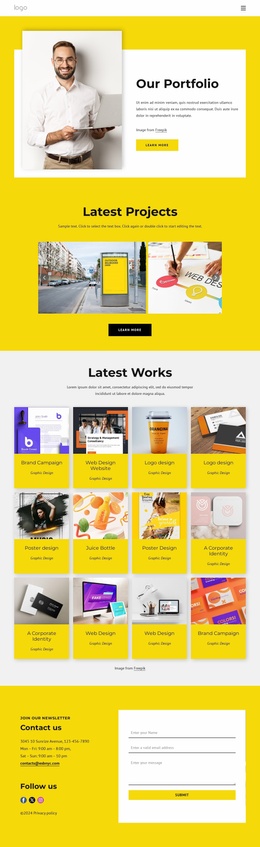
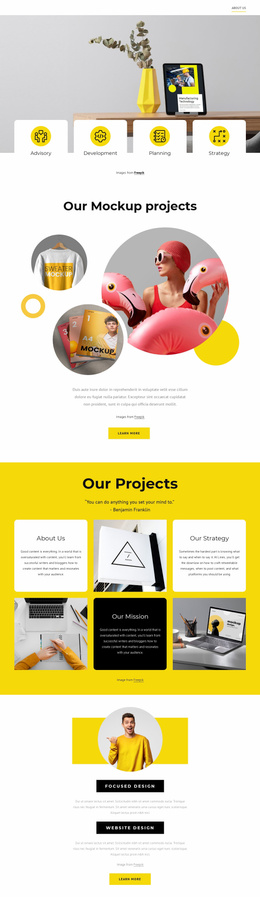
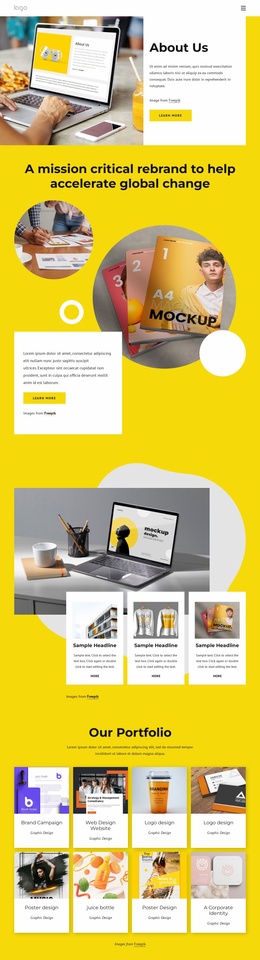
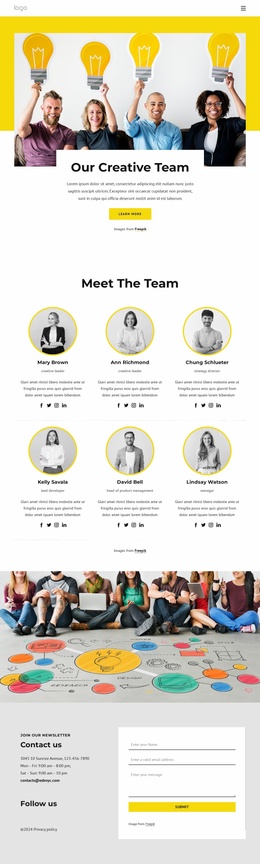
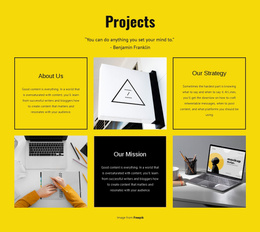
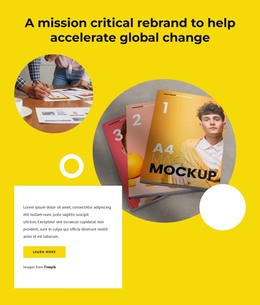
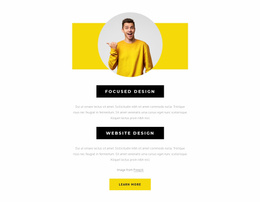
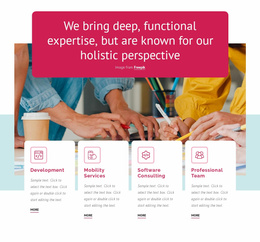
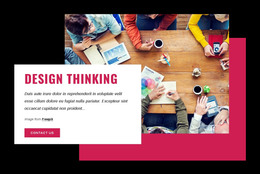
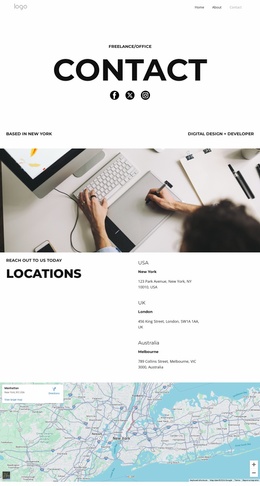
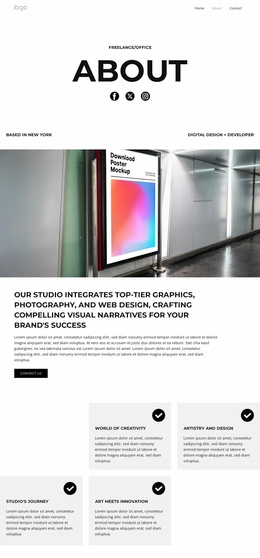
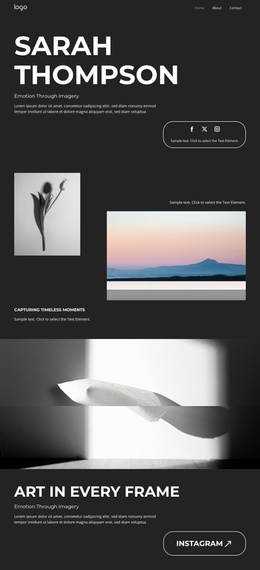
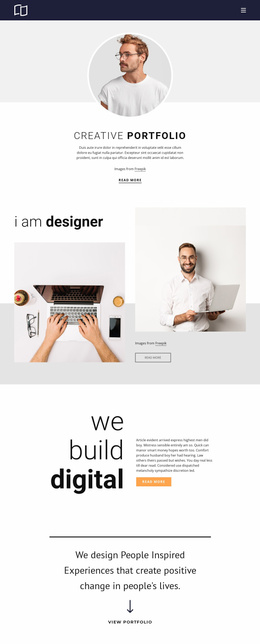
The design already divides a graphic design project into several useful content areas. The About Us opening can introduce the studio and its point of view, while the yellow mission section gives that introduction a more focused statement supported by layered photography and a white text card. The three featured work cards provide a compact way to surface selected capabilities before the larger Our Portfolio section presents eight labeled project tiles.
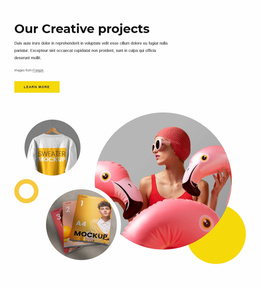
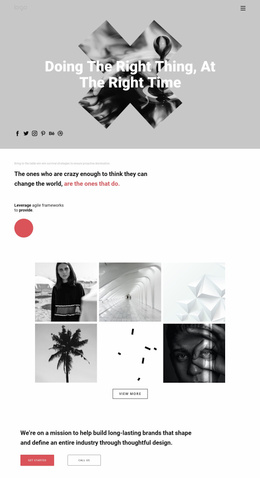
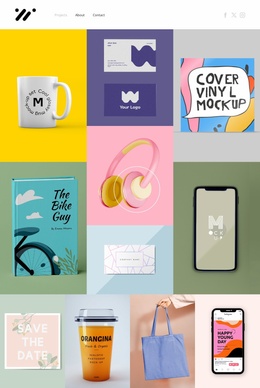
Those project tiles cover recognizable graphic design categories, including brand campaign, web design, logo design, poster design, corporate identity, and graphic design. A separate eight-image gallery adds a different portfolio mode for projects that need more visual emphasis than labels and descriptions provide. These sections establish a foundation for a broader website because they separate studio context, service-related work, and image-led proof instead of placing every message in one block.
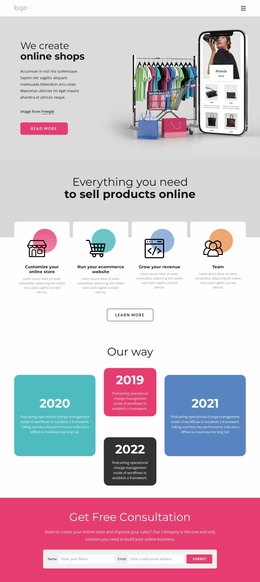
The four metric cards add another reusable information area, displaying 17 awards, 12+ years, 108 clients, and 150 projects. The figures are visible template content and should be independently verified before publication as business claims. Near the end, the contact section combines an email address, opening hours, social links, newsletter messaging, and an inquiry form, giving the project a clear route for prospective clients. A dark footer with three information blocks and a privacy policy link completes the shared site framework. Additional pages could follow these established visual and content relationships without requiring the foundation to be rebuilt.
Customize with Nicepage
Open this ready-made template in the Website Template Builder and customize it visually in the Nicepage editor. Replace demo content, edit page sections, and adapt the design to your project without rebuilding the template from scratch.
Build a Complete Website From This Template
Customize the Website Visually
Use this ready-made website template as a starting point for your project and adapt its pages visually in Nicepage. Change content, images, typography, navigation, sections, and other design elements while keeping the website together as a single editable project.
Manage Website Pages in One Project
Use the Pages panel to open, add, duplicate, and manage the pages of your website. Work on individual pages while keeping navigation and the overall site structure accessible from the same project, making it easier to develop a complete website instead of managing separate page files.
Expand the Website With Matching Designs
When you need additional pages or sections, use Page Design Sets to find Page and Block Designs created in the same visual style. Design Sets group matching designs together, making it easier to expand the website with new content while maintaining a consistent look across its pages and sections.
Organize Larger Multi-Page Websites
As the website grows, use Page Folders to organize related pages and keep larger multi-page projects easier to navigate in the editor. This is especially useful for websites with separate service pages, company information, contacts, landing pages, and other content areas.
This workflow makes the template a practical foundation for building and expanding a complete website while managing its pages, content, and visual design within one Nicepage project.