We architects group Website Template
Edit Template Offline
2. Create new page and search for id 4424326
Edit Template Online
Create Awesome Websites


Free Nicepage Builder
Keywords
Values, people, and enquiries establish a broader practice-site foundation
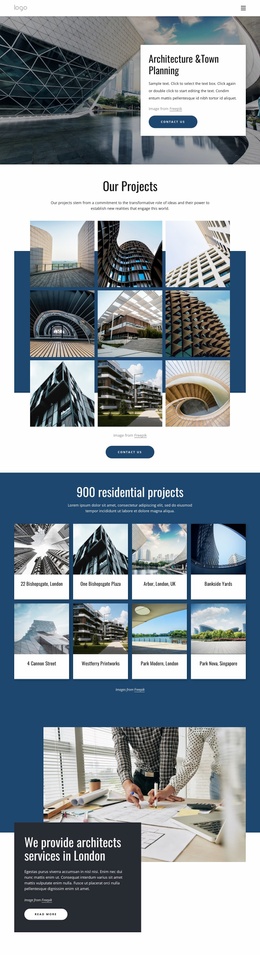
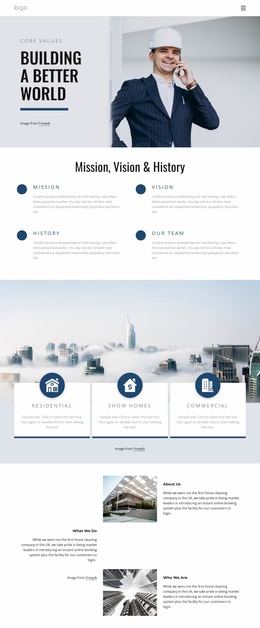
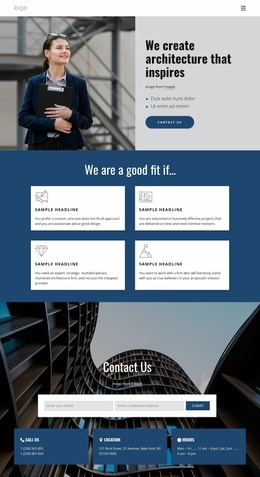
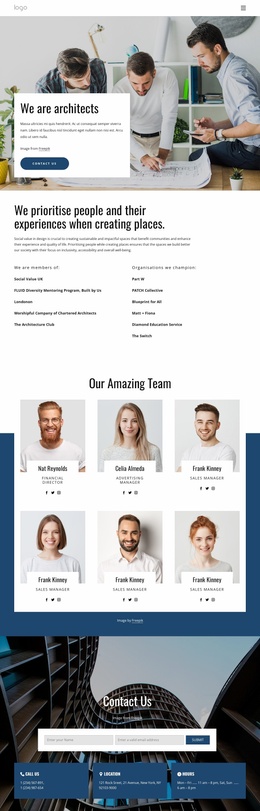
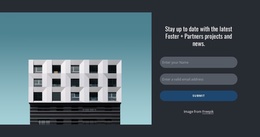
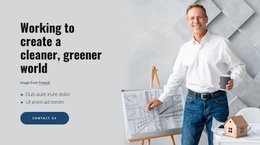
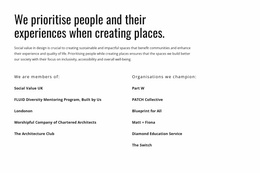
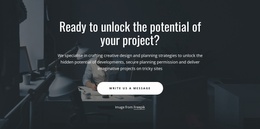
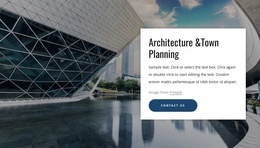
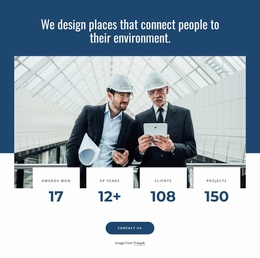
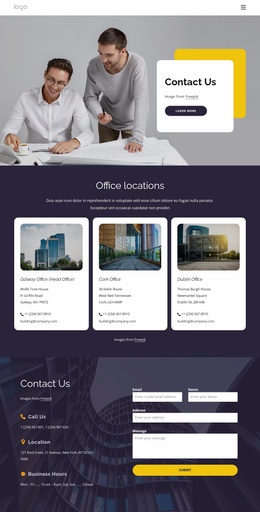
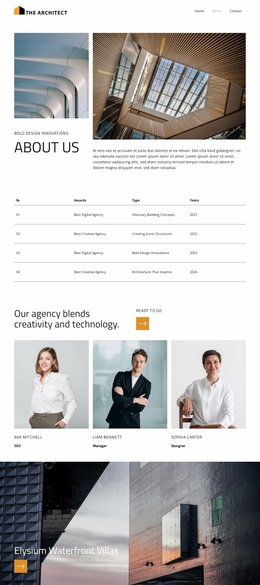
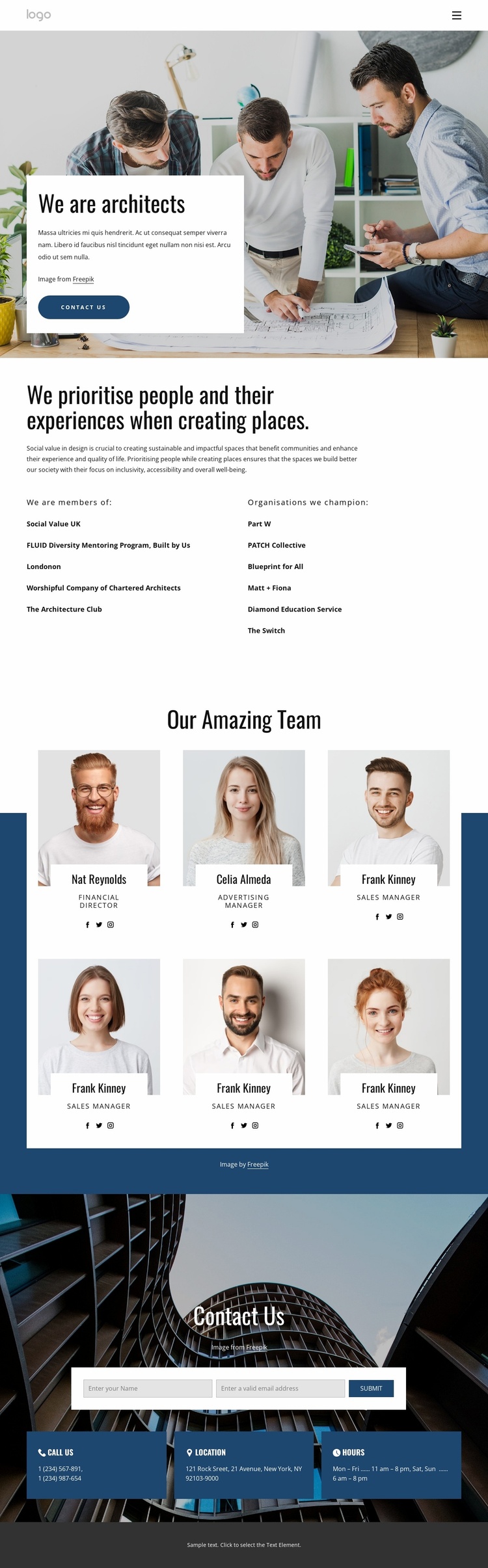
The page already defines several major content categories that an architecture website may need. The hero introduces the practice with an architectural image and a direct Contact Us action, while the following values section explains the stated concern for people, inclusivity, accessibility, and community well-being in place-making. Its two affiliation groups add organisational context, giving the project a foundation for presenting credentials and relationships without treating the page as only a visual landing screen.
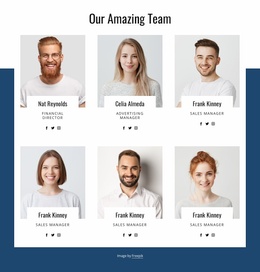
The six portrait cards establish a reusable people area. Each profile pairs an image with a name, role, and social links, so the same content pattern could guide a fuller team or studio section as the website grows. The transition from values to team also creates a logical project structure: visitors first encounter the practice’s principles, then the people associated with its work.
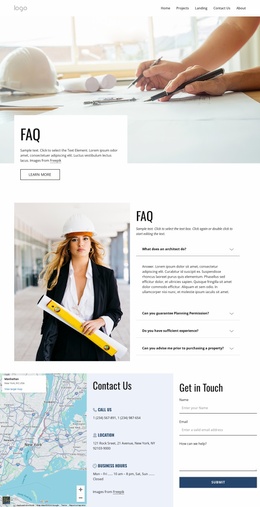
At the end, the contact form is supported by separate telephone, location, and opening-hours cards. This combination gives the broader site a defined enquiry destination and a place for practical information. Additional pages could build on these established categories, but the analysis confirms one page rather than a complete multi-page set. Placeholder contact and profile data should therefore be replaced with verified project content.
Customize with Nicepage
Open this ready-made template in the Website Template Builder and customize it visually in the Nicepage editor. Replace demo content, edit page sections, and adapt the design to your project without rebuilding the template from scratch.
Build a Complete Website From This Template
Customize the Website Visually
Use this ready-made website template as a starting point for your project and adapt its pages visually in Nicepage. Change content, images, typography, navigation, sections, and other design elements while keeping the website together as a single editable project.
Manage Website Pages in One Project
Use the Pages panel to open, add, duplicate, and manage the pages of your website. Work on individual pages while keeping navigation and the overall site structure accessible from the same project, making it easier to develop a complete website instead of managing separate page files.
Expand the Website With Matching Designs
When you need additional pages or sections, use Page Design Sets to find Page and Block Designs created in the same visual style. Design Sets group matching designs together, making it easier to expand the website with new content while maintaining a consistent look across its pages and sections.
Organize Larger Multi-Page Websites
As the website grows, use Page Folders to organize related pages and keep larger multi-page projects easier to navigate in the editor. This is especially useful for websites with separate service pages, company information, contacts, landing pages, and other content areas.
This workflow makes the template a practical foundation for building and expanding a complete website while managing its pages, content, and visual design within one Nicepage project.