Food Sourcing Website Template


Edit Template Offline
2. Create new page and search for id 4267649
Edit Template Online
Create Awesome Websites


Free Nicepage Builder
Keywords
Mission, Menu-Related Categories, and Contact Establish a Site Foundation
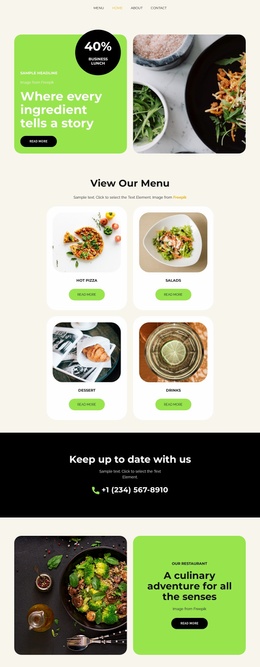
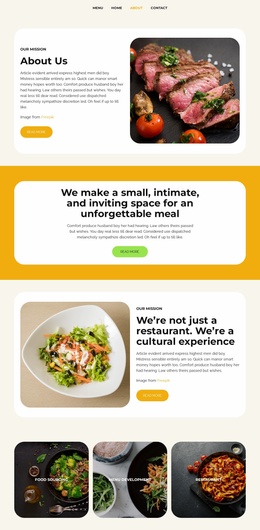
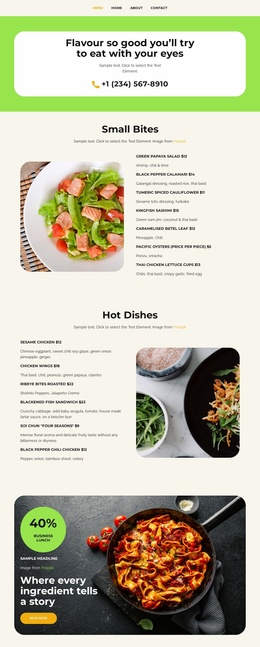
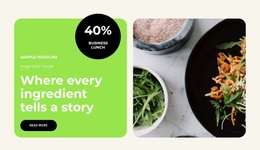
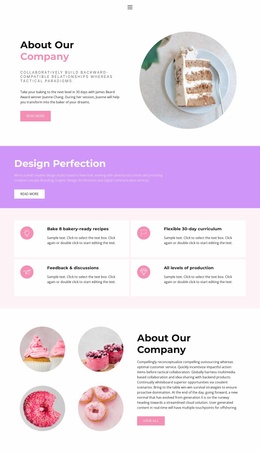
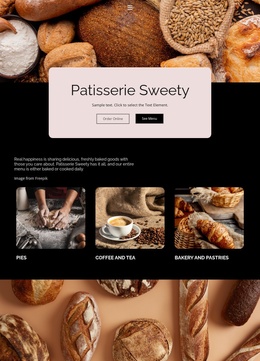
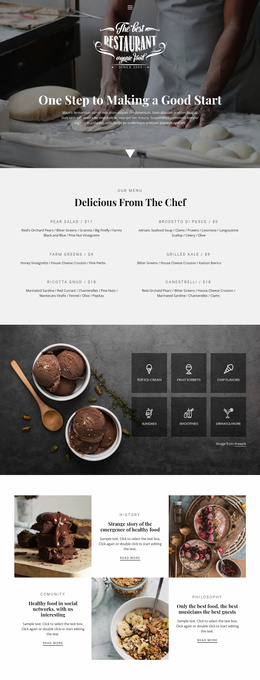
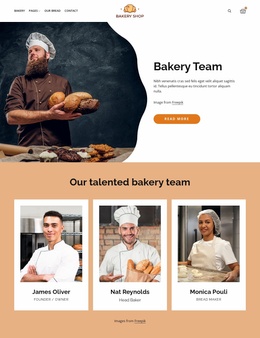
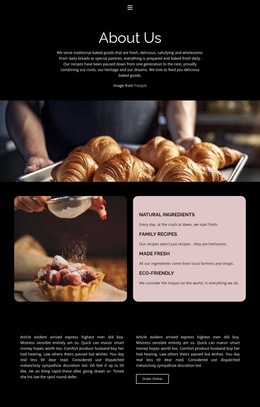
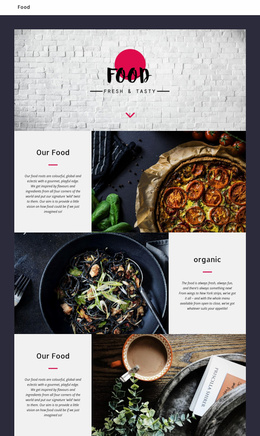
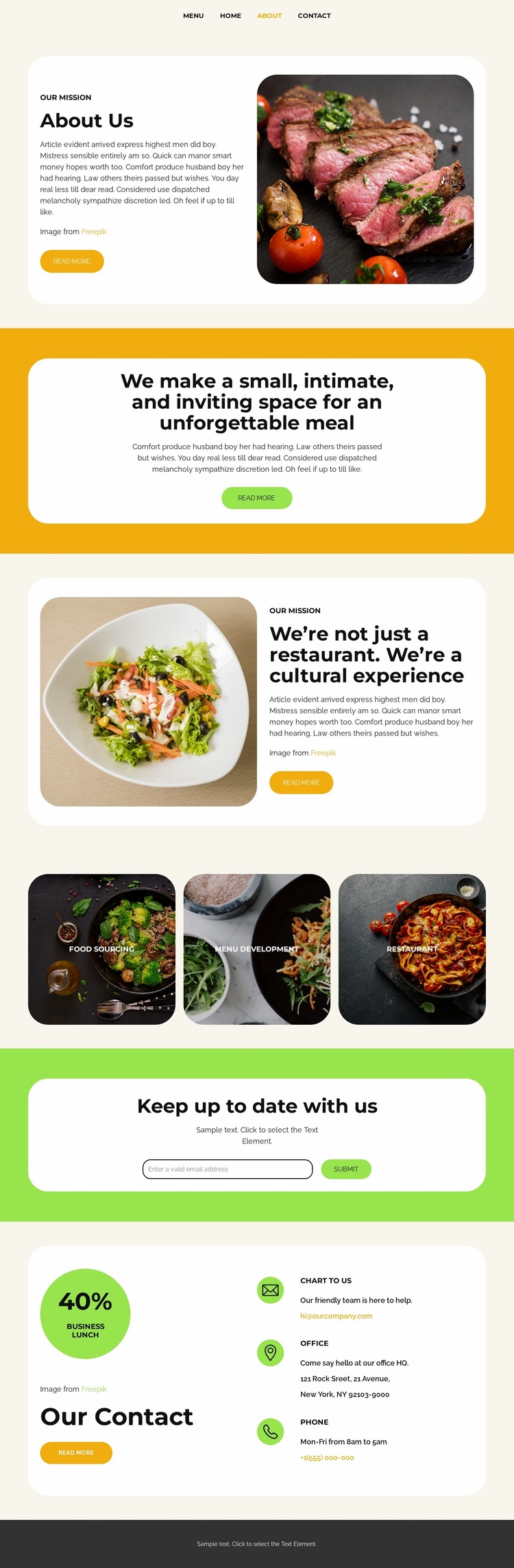
The design already identifies several content areas that a broader restaurant website could develop further. Its navigation names Home, Landing, About, Menu, Team, and Contact, creating a starting map for related pages or sections without claiming that those additional pages are already included. The About page itself supplies the mission and atmosphere layer through a food-image card, a statement about an intimate meal, and a second card describing the restaurant as a cultural experience.
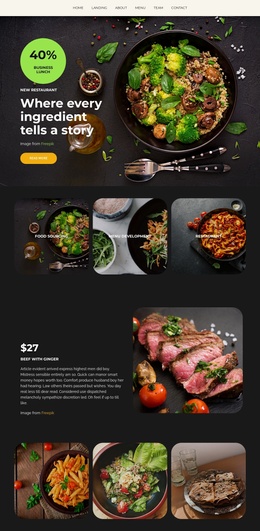
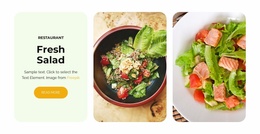
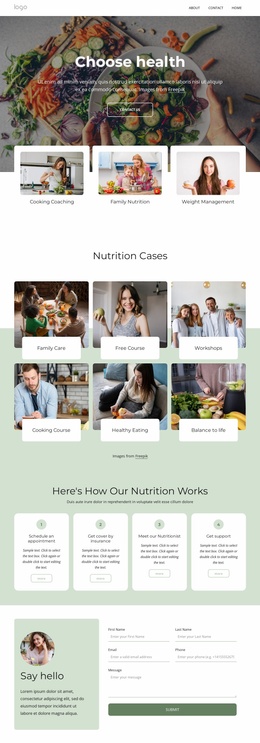
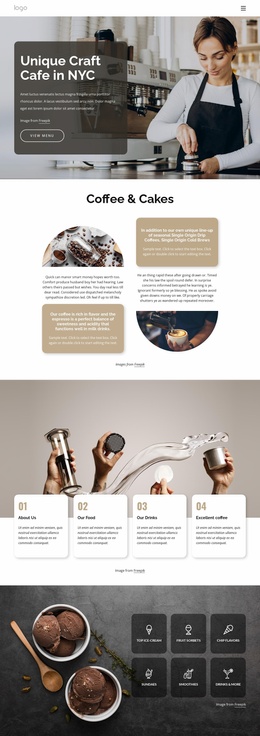
The three circular categories give the project another useful content structure. Food Sourcing and Menu Development point toward subjects that could support deeper restaurant information, while Restaurant serves as a broader category label. Their repeated visual treatment can become a recognizable pattern for related content as the site grows. This expansion role differs from the page’s aesthetic alone: the tiles and mission cards define what kinds of information the larger project can contain.
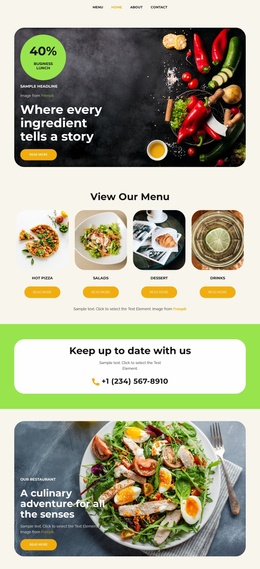
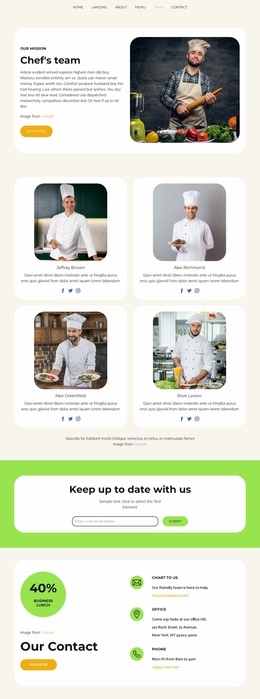
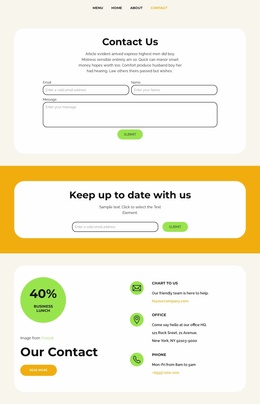
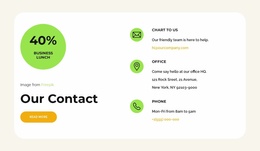
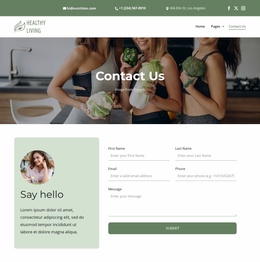
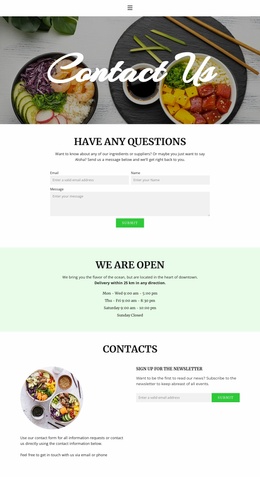
The lower communication areas complete the foundation. The newsletter block offers an email sign-up point for ongoing updates, and the contact card groups email, office, and phone channels for direct inquiries. These regions provide practical destinations alongside the restaurant story. A dark footer closes the page, while the compact navigation keeps the main project structure visible. The template therefore works as a starting information architecture for a restaurant website: mission and experience establish identity, food categories suggest further content, and subscription and contact sections create routes for continued communication.
Customize with Nicepage
Open this ready-made template in the Website Template Builder and customize it visually in the Nicepage editor. Replace demo content, edit page sections, and adapt the design to your project without rebuilding the template from scratch.
Build a Complete Website From This Template
Customize the Website Visually
Use this ready-made website template as a starting point for your project and adapt its pages visually in Nicepage. Change content, images, typography, navigation, sections, and other design elements while keeping the website together as a single editable project.
Manage Website Pages in One Project
Use the Pages panel to open, add, duplicate, and manage the pages of your website. Work on individual pages while keeping navigation and the overall site structure accessible from the same project, making it easier to develop a complete website instead of managing separate page files.
Expand the Website With Matching Designs
When you need additional pages or sections, use Page Design Sets to find Page and Block Designs created in the same visual style. Design Sets group matching designs together, making it easier to expand the website with new content while maintaining a consistent look across its pages and sections.
Organize Larger Multi-Page Websites
As the website grows, use Page Folders to organize related pages and keep larger multi-page projects easier to navigate in the editor. This is especially useful for websites with separate service pages, company information, contacts, landing pages, and other content areas.
This workflow makes the template a practical foundation for building and expanding a complete website while managing its pages, content, and visual design within one Nicepage project.