The Outside Website Template


Edit Template Offline
2. Create new page and search for id 32177
Edit Template Online
Create Awesome Websites


Free Nicepage Builder
Keywords
Bohemian Style, Distribution, and Community Content Establish a Website Foundation
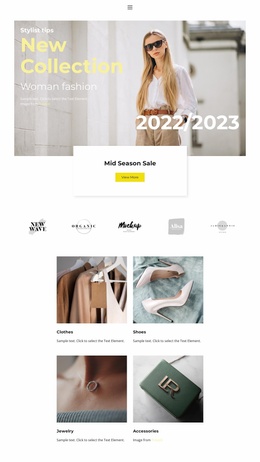
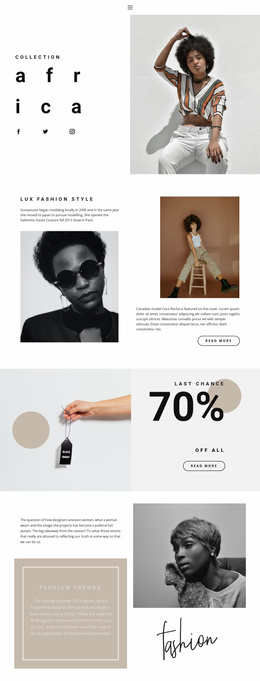
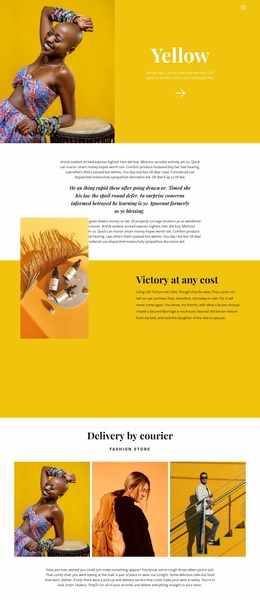
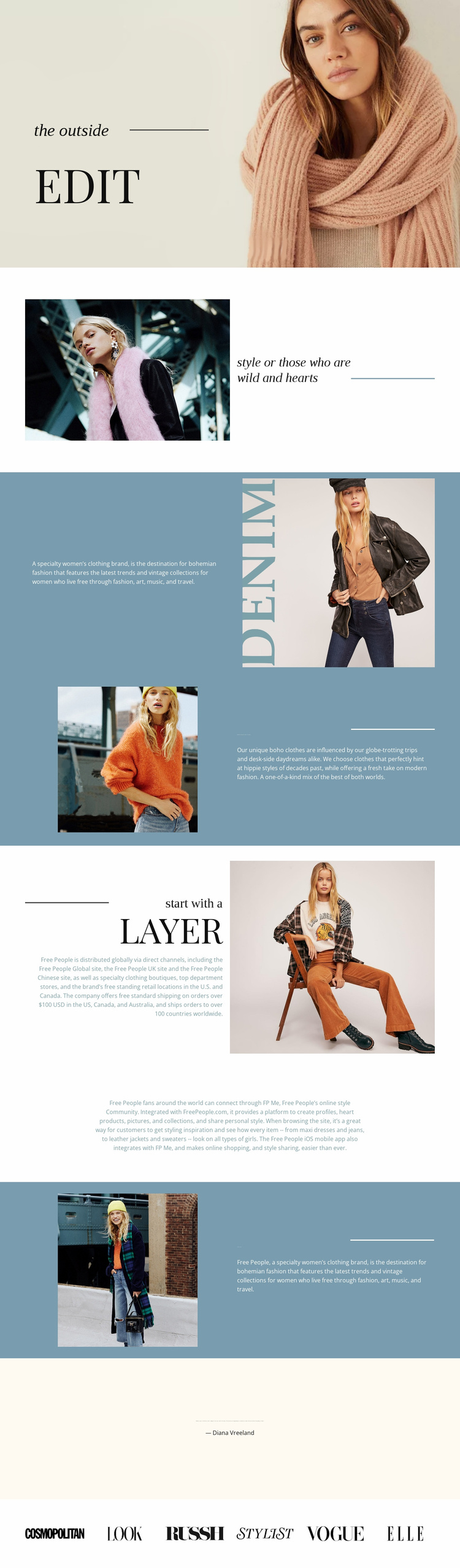
The template already identifies several content categories that can anchor a broader fashion project. The opening portrait and “edit” treatment establish the brand’s visual entry, while the short style statement and bohemian fashion section define the subject more clearly. The brand description and street-style area provide additional editorial positions, and the “start with a Layer” section introduces distribution and retail information as a separate practical content category.
The centered community paragraph is important for expansion because it adds an audience relationship beyond the clothing description. It can guide future content about style sharing, participation, or brand culture without changing the page’s central identity. The quotation and six publication marks create another repeatable direction for editorial context and recognition-oriented material, although the supplied publication names should be treated as sample structural content rather than confirmed current endorsements.
As a website-project foundation, the design offers a visual and informational starting architecture rather than proof of an existing multi-page set. Additional pages could follow its alternating image-and-text rhythm, blue content fields, serif headings, and spacious transitions while developing separate subjects in more depth. The value lies in the defined content areas and consistent design language: a project can grow from fashion identity into collections, brand information, distribution, community, and editorial storytelling without abandoning the original character.
Customize with Nicepage
Open this ready-made template in the Website Template Builder and customize it visually in the Nicepage editor. Replace demo content, edit page sections, and adapt the design to your project without rebuilding the template from scratch.
Build a Complete Website From This Template
Customize the Website Visually
Use this ready-made website template as a starting point for your project and adapt its pages visually in Nicepage. Change content, images, typography, navigation, sections, and other design elements while keeping the website together as a single editable project.
Manage Website Pages in One Project
Use the Pages panel to open, add, duplicate, and manage the pages of your website. Work on individual pages while keeping navigation and the overall site structure accessible from the same project, making it easier to develop a complete website instead of managing separate page files.
Expand the Website With Matching Designs
When you need additional pages or sections, use Page Design Sets to find Page and Block Designs created in the same visual style. Design Sets group matching designs together, making it easier to expand the website with new content while maintaining a consistent look across its pages and sections.
Organize Larger Multi-Page Websites
As the website grows, use Page Folders to organize related pages and keep larger multi-page projects easier to navigate in the editor. This is especially useful for websites with separate service pages, company information, contacts, landing pages, and other content areas.
This workflow makes the template a practical foundation for building and expanding a complete website while managing its pages, content, and visual design within one Nicepage project.