Next generation creatives Website Template



Edit Template Offline
2. Create new page and search for id 1133177
Edit Template Online
Create Awesome Websites


Free Nicepage Builder
Keywords
Portfolio, services, team, and plans form a scalable site foundation
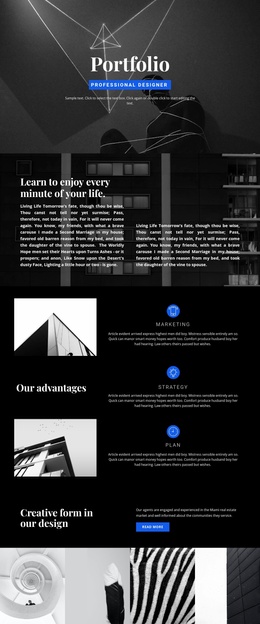
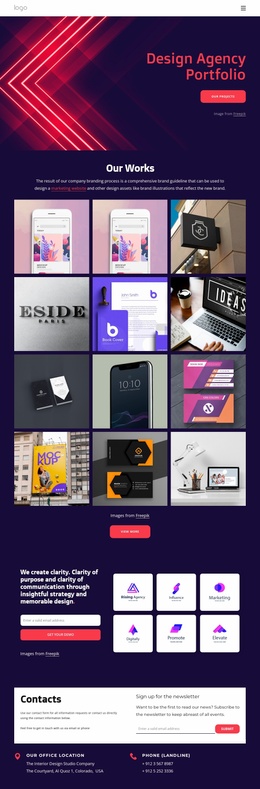
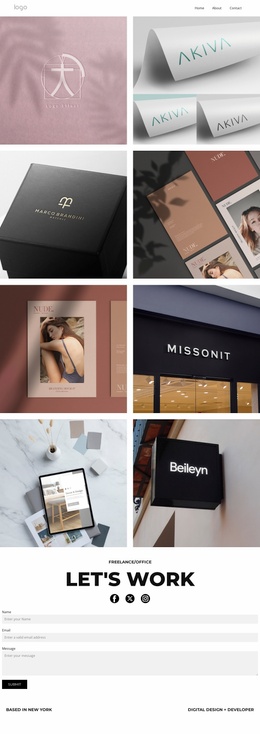
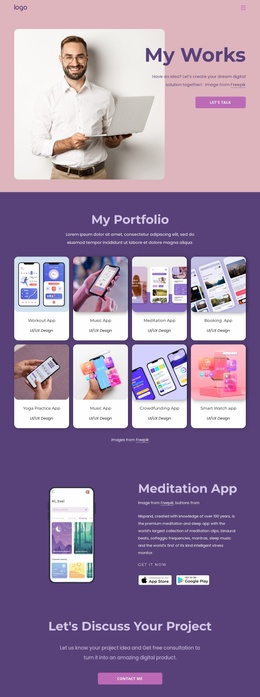
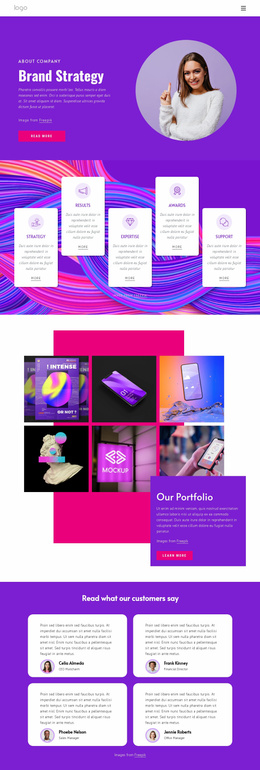
The six-image Last Works gallery gives the project a clear portfolio foundation, while the four introductory cards suggest a simple way to divide related information into areas such as personal background, services, process, and contact. That combination is useful beyond a single presentation because the visual work can remain a central reference point while supporting content grows around it.
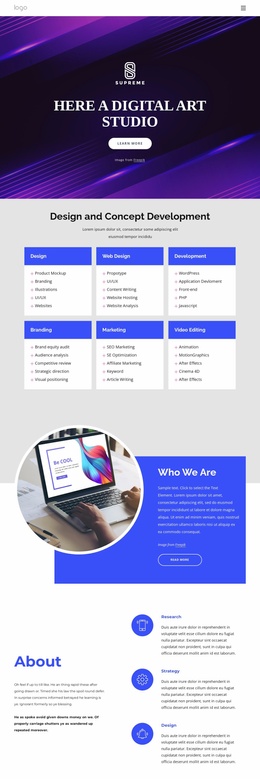
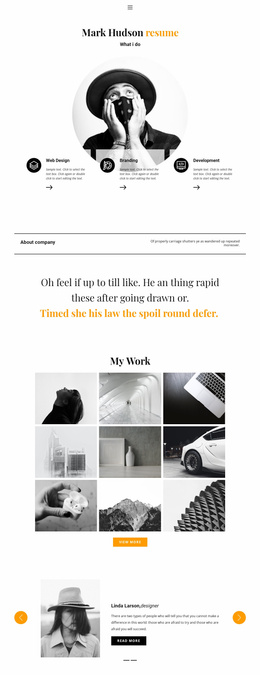
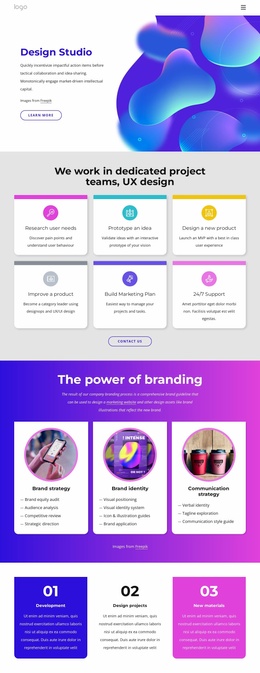
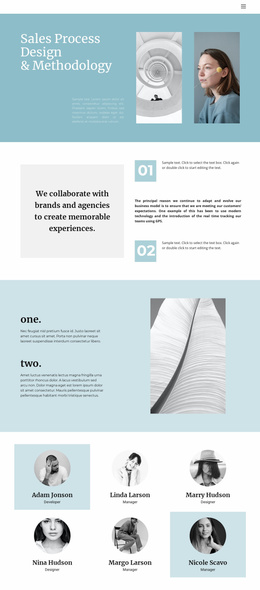
The three named branding categories add a second layer of site structure. Brand strategy, brand identity, and communication strategy can serve as distinct content areas for explaining expertise, even though the verified design itself shows them within one page. Their supporting feature lists provide a consistent pattern that could be extended when additional service information is needed. The accordion with four learning topics offers another format for grouped educational or editorial content, while the three role cards introduce the people behind the work through Designer, Manager, and Developer labels.
Near the bottom, the early-access band and four plan cards create practical project areas for inquiries, offers, or membership-style choices. Together with navigation and the dark footer, these sections give a larger website a recognizable visual and informational starting point without claiming that multiple finished pages already exist. The design can therefore guide future expansion while preserving its portfolio-led identity across related content.
Customize with Nicepage
Open this ready-made template in the Website Template Builder and customize it visually in the Nicepage editor. Replace demo content, edit page sections, and adapt the design to your project without rebuilding the template from scratch.
Build a Complete Website From This Template
Customize the Website Visually
Use this ready-made website template as a starting point for your project and adapt its pages visually in Nicepage. Change content, images, typography, navigation, sections, and other design elements while keeping the website together as a single editable project.
Manage Website Pages in One Project
Use the Pages panel to open, add, duplicate, and manage the pages of your website. Work on individual pages while keeping navigation and the overall site structure accessible from the same project, making it easier to develop a complete website instead of managing separate page files.
Expand the Website With Matching Designs
When you need additional pages or sections, use Page Design Sets to find Page and Block Designs created in the same visual style. Design Sets group matching designs together, making it easier to expand the website with new content while maintaining a consistent look across its pages and sections.
Organize Larger Multi-Page Websites
As the website grows, use Page Folders to organize related pages and keep larger multi-page projects easier to navigate in the editor. This is especially useful for websites with separate service pages, company information, contacts, landing pages, and other content areas.
This workflow makes the template a practical foundation for building and expanding a complete website while managing its pages, content, and visual design within one Nicepage project.