The air smells ocean Website Design


Teal Water and White Type Define the Section’s Visual Voice
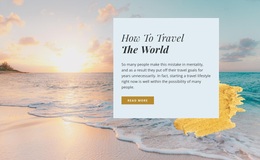
The block expresses its visual character through a close relationship between image, typography, and alignment. Turquoise and teal ocean water occupy the full-width background, while the small boat and wake provide a focused detail within the otherwise open aerial scene. The white serif heading introduces a more expressive typographic note, and the uppercase sans-serif paragraph supplies a contrasting, structured reading texture.
The two text columns near the lower part of the image help the section feel composed rather than textually scattered. One column carries the statement “The Air Smells Ocean,” and the other develops the idea through nature travel, sustainable travel, and responsible ecotourism. Together, the image treatment, white contrast, and split arrangement create a visual language that could be echoed in related travel sections without claiming that this single block defines an entire site.
As part of a broader website design, the section can provide a reference for image-led storytelling, restrained text color, and clear type roles. Other blocks might repeat the contrast between a strong photograph and concise copy, or use the same teal and white relationship in a different composition. The important contribution is the block’s identifiable character: open water, a small human-scale detail, and two coordinated text voices.
Customize with Nicepage
Open this ready-made template in the Website Design Builder and customize it visually in the Nicepage editor. Replace demo content, edit page sections, and adapt the design to your project without rebuilding the template from scratch.
Edit Template Offline
2. Create a new page or select existing
3. Click Add new block, search for id 135889 and click enter
Edit Template Online
Create Awesome Websites


Free Nicepage Builder
Keywords
Create a Consistent Design Across the Website
Define a Site-Wide Visual Style
Use Theme Settings to establish the visual foundation of the website across its pages and sections. Set global Colors, Fonts, and Typography so the site follows the same design direction instead of styling each page independently.
Coordinate Colors and Typography
Choose a color scheme and font combination that fit the character of the website, then fine-tune Headings H1-H6, regular Text, links, buttons, quotes, lists, and other typography styles. Consistent use of these settings helps create a clear visual hierarchy and keeps recurring design elements recognizable throughout the website.
Add Motion and Interaction
Use Animation Effects to make the website design more dynamic and interactive. Elements and Containers can use effects such as Run On Display, Animation On Hover, and Animation Sync With Scroll to introduce content as visitors move through the site or respond to user interaction. Animation Presets provide ready-made effects that can be adapted to the visual style of the website.
Keep the Website Visually Consistent
Apply the same design direction to shared website elements such as the Header, Menu, and Footer. The Theme Settings Panel brings common site-wide styling controls together, making it easier to maintain a coordinated look as the website expands across multiple pages.
This workflow makes the template a useful starting point for creating a website with a consistent visual identity, coordinated colors and typography, shared design rules, and interactive effects across its pages.