Keep calm and conquer the waves One Page Template


The split carousel forms a distinct travel destination
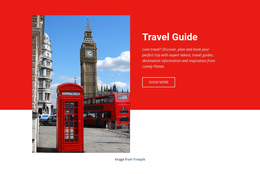
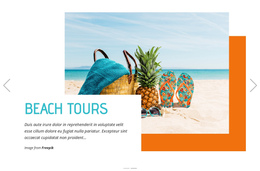
The combination of a repeated eyebrow, changing headline, supporting paragraph, and paired image gives this block enough identity to function as one recognizable destination in a continuous page. Its two slides keep the same internal arrangement while changing the feature emphasis between “keep calm and be happy” and “free travel style.” That consistency helps visitors understand the area as one travel or lifestyle section rather than as unrelated content.
The image-left, text-right composition also creates a natural boundary between this destination and neighboring blocks. A page can place introductory material before it and continue afterward with other information, while this section concentrates on a visual feature and its short explanatory message. References to sunny days, a T-shirt dress, beach wear, and weekend brunch add a lifestyle context without requiring the block to become a separate page.
Previous and next arrows and slide indicators support movement within the destination. If the surrounding one-page experience uses section navigation, this block could receive a corresponding destination link, but its content remains useful even when visitors reach it through ordinary page scrolling. The “read more” link offers an internal continuation for the feature, while broader navigation belongs to the containing page rather than to this block itself.
Customize with Nicepage
Open this ready-made template in the One Page Template Builder and customize it visually in the Nicepage editor. Replace demo content, edit page sections, and adapt the design to your project without rebuilding the template from scratch.
Edit Template Offline
2. Create a new page or select existing
3. Click Add new block, search for id 79255 and click enter
Edit Template Online
Create Awesome Websites


Free Nicepage Builder
Keywords
Use This Block as a Section in a One-Page Website
Give the Block a Distinct Content Role
A one-page website combines several meaningful content sections within one continuous document. A block can serve as one of those destinations—for example About, Services, Gallery, Testimonials, Pricing, Team, or Contact—while other blocks provide the rest of the page journey.
Connect Navigation to Meaningful Sections
When the final page uses section-based navigation, Menu For One-Page Site can connect menu items to individual page Blocks. The analyzed block does not prove that anchor navigation already exists; it simply provides one possible destination when its content is substantial enough to stand as a recognizable section.
Keep Longer Pages Easy to Explore
For long one-page sites, Back To Top can help visitors return to the beginning after moving through several sections. Navigation behavior is managed at the page level, while each block retains its own content function.
This workflow positions the block as one part of a continuous one-page experience rather than treating a single section as the entire one-page site.