identity development One Page Template


A Two-by-Two Grid Creates a Distinct Showcase Destination
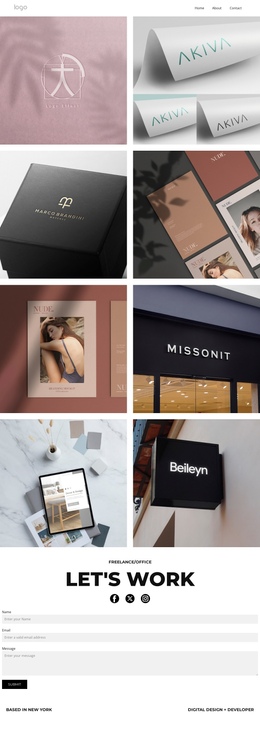
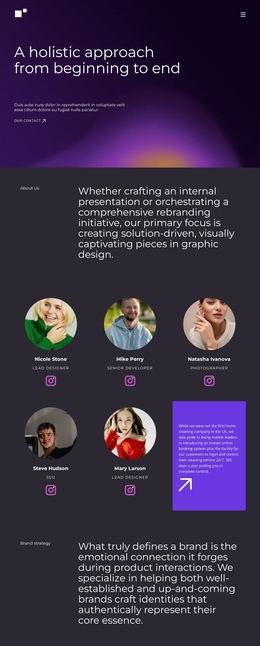
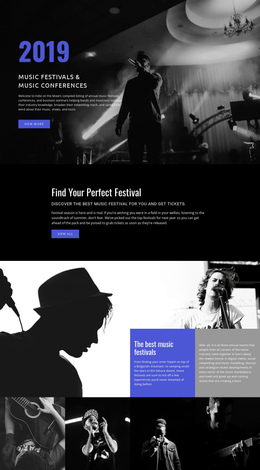
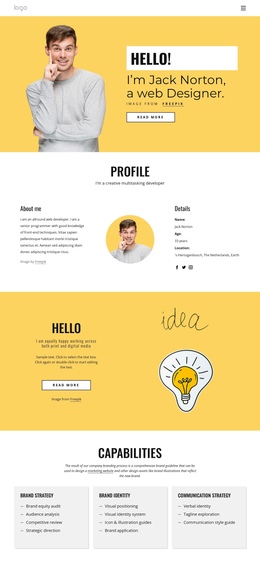
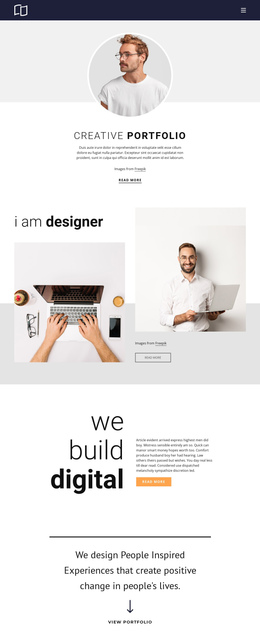
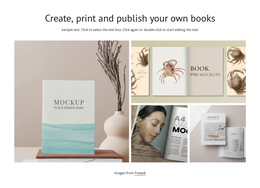
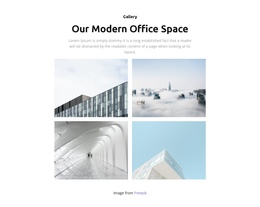
The gallery’s two-column structure gives a continuous one-page layout a clearly bounded visual destination. Four equal tiles form a complete local unit: visitors can scan the whole collection at once, identify each sample through its bottom overlay, and open an image in the lightbox when closer viewing is useful. The section does not need to become a separate page to communicate that it has its own content role.
The logo, packaging, and print mockup imagery creates a varied but related sequence of examples. Dark caption overlays keep the title and supporting caption attached to the appropriate image, which helps the gallery remain understandable even though it has no separate heading. The repeated pattern also distinguishes this destination from neighboring introduction, service, or contact sections that may appear elsewhere in the continuous page.
Hover zoom and fade effects add a small layer of visual response as visitors move through the gallery, while the lightbox provides the deeper inspection step. In a one-page experience, this makes the block suitable for a portfolio or project-showcase stop between explanatory content and a later contact area. Navigation can be supplied by the surrounding page if needed, but the block’s own identity comes from its four-item image collection, consistent overlays, and focused presentation of visual work.
Customize with Nicepage
Open this ready-made template in the One Page Template Builder and customize it visually in the Nicepage editor. Replace demo content, edit page sections, and adapt the design to your project without rebuilding the template from scratch.
Edit Template Offline
2. Create a new page or select existing
3. Click Add new block, search for id 6343871 and click enter
Edit Template Online
Create Awesome Websites


Free Nicepage Builder
Keywords
Use This Block as a Section in a One-Page Website
Give the Block a Distinct Content Role
A one-page website combines several meaningful content sections within one continuous document. A block can serve as one of those destinations—for example About, Services, Gallery, Testimonials, Pricing, Team, or Contact—while other blocks provide the rest of the page journey.
Connect Navigation to Meaningful Sections
When the final page uses section-based navigation, Menu For One-Page Site can connect menu items to individual page Blocks. The analyzed block does not prove that anchor navigation already exists; it simply provides one possible destination when its content is substantial enough to stand as a recognizable section.
Keep Longer Pages Easy to Explore
For long one-page sites, Back To Top can help visitors return to the beginning after moving through several sections. Navigation behavior is managed at the page level, while each block retains its own content function.
This workflow positions the block as one part of a continuous one-page experience rather than treating a single section as the entire one-page site.