All-natural One Page Template



Edit Template Offline
2. Create new page and search for id 4297819
Edit Template Online
Create Awesome Websites


Free Nicepage Builder
Keywords
Four Menu Destinations Lead Through the Restaurant Story
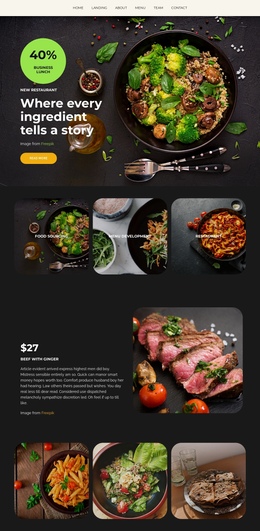
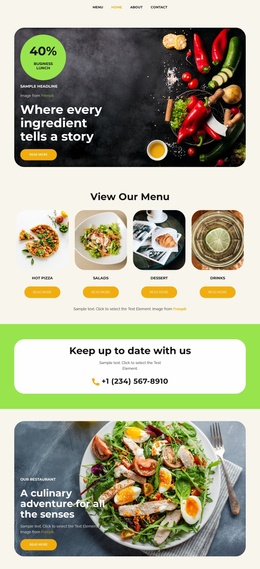
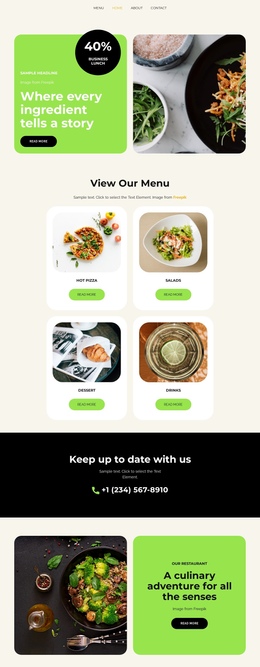
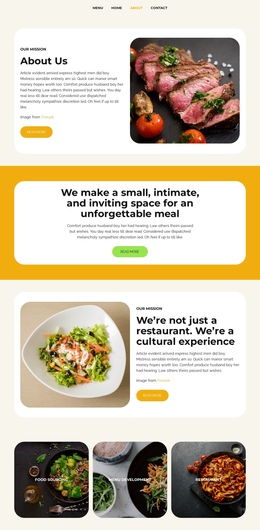
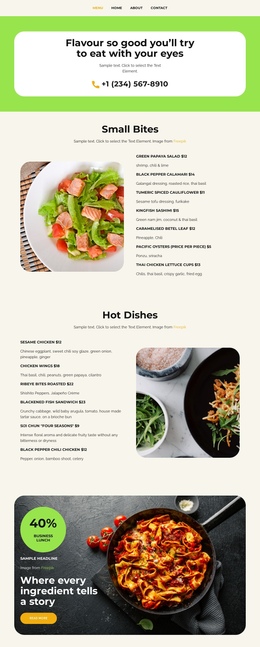
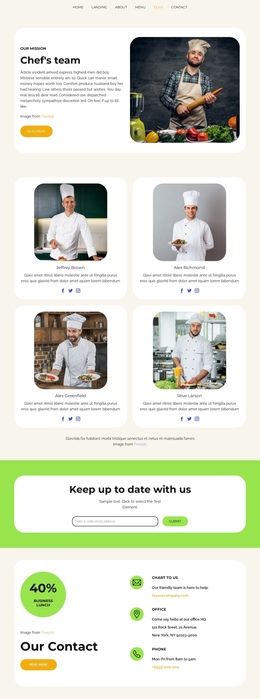
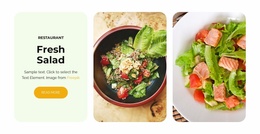
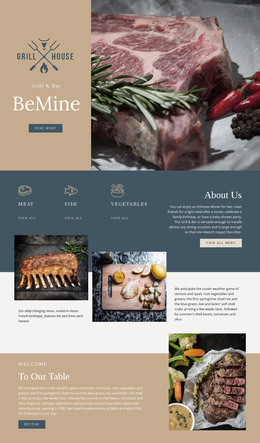
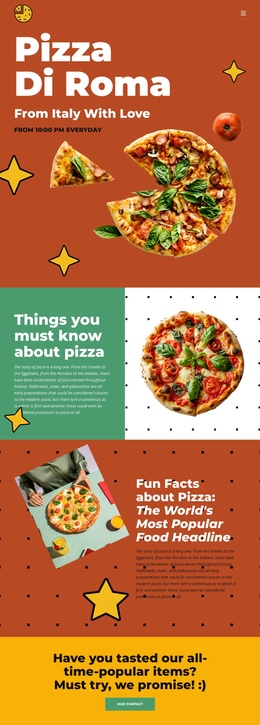
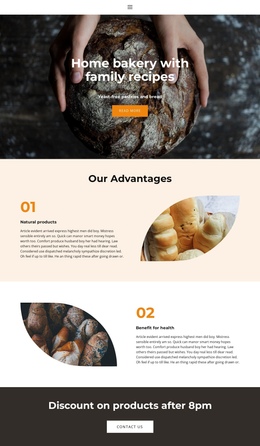
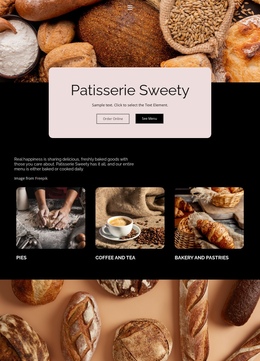
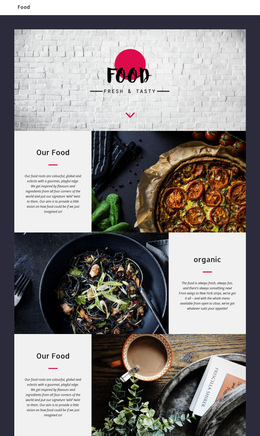
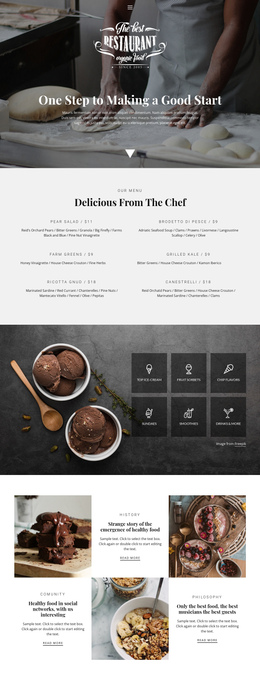
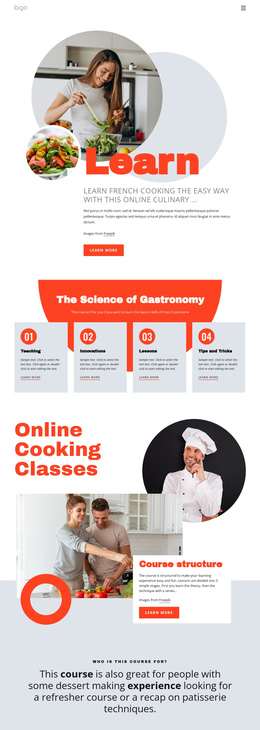
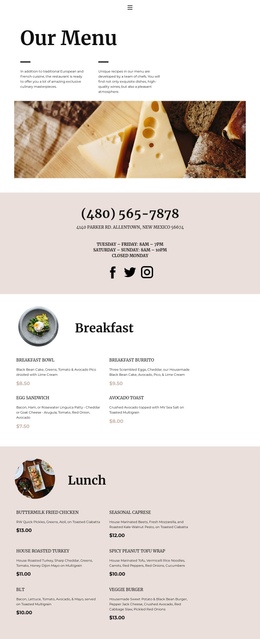
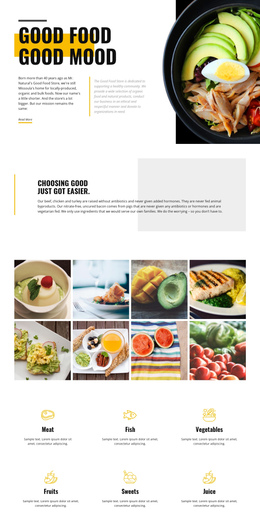
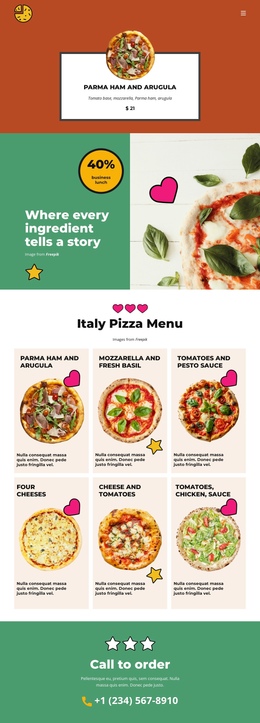
The page contains several meaningful content destinations within one continuous document. After the opening restaurant introduction, the menu overview separates hot pizza, salads, dessert, and drinks into four repeated cards, allowing visitors to understand the offering before moving into the wider restaurant story. The following split panels provide additional destinations for the kitchen and the dining experience, with image-and-text pairings that change direction while preserving the same visual rhythm.
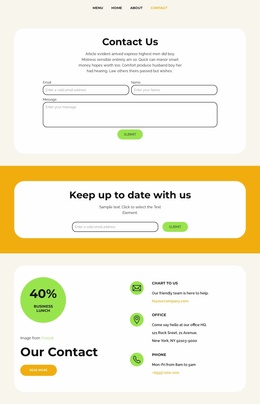
The blog preview forms another recognizable stop in the sequence, presenting four article cards beneath the feature blocks. From there, the subscription section creates a distinct update-oriented destination with name and email inputs, while the closing contact area groups email, office, and phone information into a final practical section. The dark contact band earlier in the page adds another contact-focused point without requiring a separate URL. This arrangement suits a one-page information architecture because visitors can move from introduction to menu, story, updates, subscription, and contact without leaving the document. The repeated rounded panels make each destination visually identifiable, while the alternation between grids, split blocks, bands, and contact content prevents the long page from becoming a single uninterrupted text stream. The design’s value here is the relationship between its sections, not merely the presence of a single call to action.
Customize with Nicepage
Open this ready-made template in the One Page Template Builder and customize it visually in the Nicepage editor. Replace demo content, edit page sections, and adapt the design to your project without rebuilding the template from scratch.
Build a Navigable One-Page Website
Connect the Menu to Page Sections
Organize the website as a sequence of sections on a single page and use the Menu For One-Page Site to connect menu items with individual page Blocks. Visitors can jump directly to sections such as About, Services, Testimonials, or Contact without opening separate pages.
Keep the Website on One URL
A one-page template can combine several parts of a small website within one continuous page. Arrange the Header, introduction, services, portfolio, company information, reviews, contact details, and other relevant sections in the order that fits the project while keeping them accessible through the same page navigation.
Make Long Pages Easier to Navigate
For longer one-page websites, keep navigation labels short and connected to meaningful sections so visitors can move through the page without relying only on scrolling. You can also use the Back To Top element to provide a quick way back to the beginning after longer sections.
This workflow makes the template suitable for compact websites that need several distinct content sections while keeping the complete visitor experience on one URL.