Roofing portfolio and projects Website Template


Edit Template Offline
2. Create new page and search for id 6440942
Edit Template Online
Create Awesome Websites


Free Nicepage Builder
Keywords
Services, Projects, and Contact Establish the Site Foundation
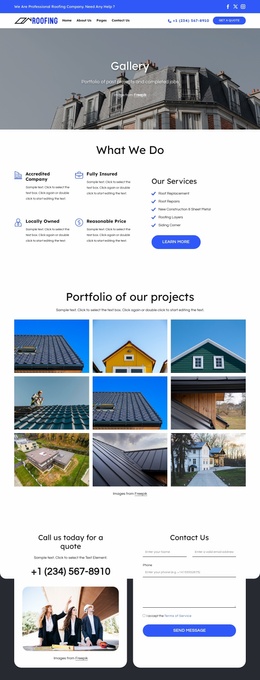
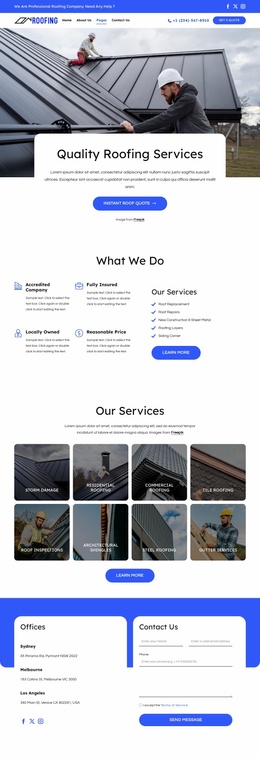
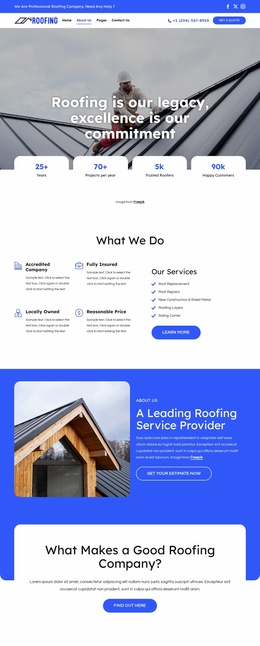
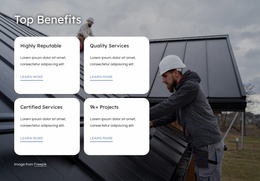
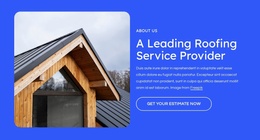
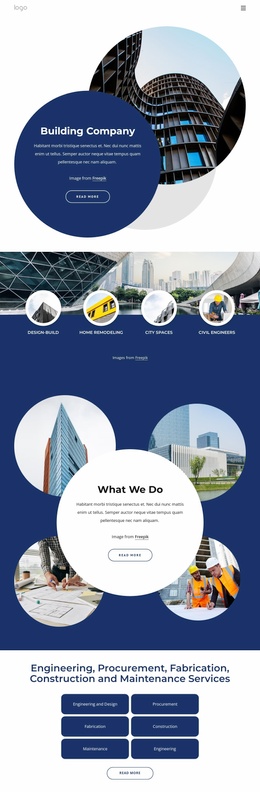
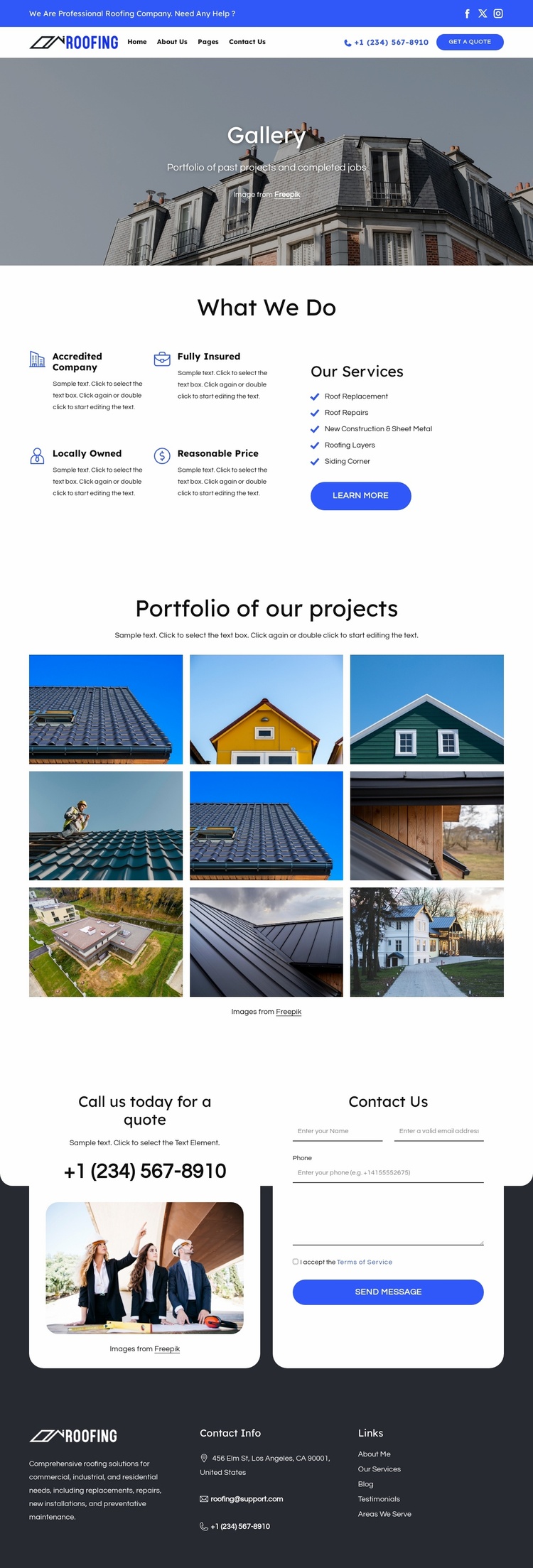
The design already defines several major content areas that a roofing website can build around. The What We Do section separates four company features from the service list, giving the project a practical starting information structure for explaining both business attributes and types of work. Roof replacement, repairs, new construction and sheet metal, roofing layers, and siding provide distinct subject areas that could support deeper content as the website grows, without claiming that separate service pages are already included.
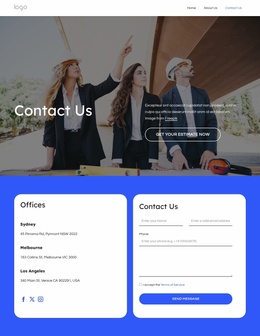
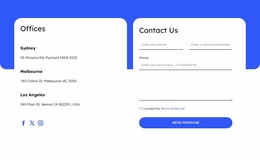
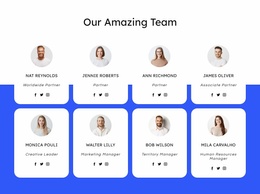
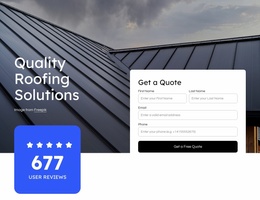
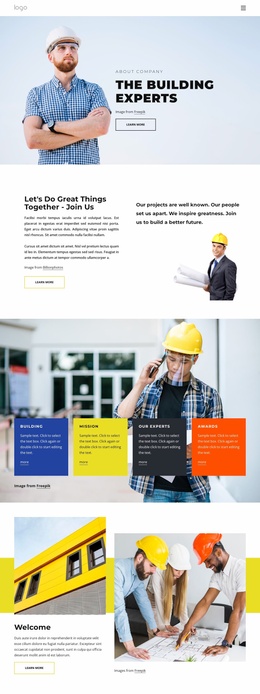
The nine-image portfolio supplies a second major foundation: a visual project area that can remain central while additional company information is added around it. The header’s navigation links reference services, team, gallery, FAQ, blog, and contact, indicating the content directions already anticipated by the design. The closing quote block and dark footer establish shared contact and navigation regions that can be reused as the project expands. In this way, the template offers more than an isolated image gallery. It provides an initial relationship between navigation, services, project evidence, response actions, and company information that can guide a broader site structure while remaining faithful to the verified single-page design.
Customize with Nicepage
Open this ready-made template in the Website Template Builder and customize it visually in the Nicepage editor. Replace demo content, edit page sections, and adapt the design to your project without rebuilding the template from scratch.
Build a Complete Website From This Template
Customize the Website Visually
Use this ready-made website template as a starting point for your project and adapt its pages visually in Nicepage. Change content, images, typography, navigation, sections, and other design elements while keeping the website together as a single editable project.
Manage Website Pages in One Project
Use the Pages panel to open, add, duplicate, and manage the pages of your website. Work on individual pages while keeping navigation and the overall site structure accessible from the same project, making it easier to develop a complete website instead of managing separate page files.
Expand the Website With Matching Designs
When you need additional pages or sections, use Page Design Sets to find Page and Block Designs created in the same visual style. Design Sets group matching designs together, making it easier to expand the website with new content while maintaining a consistent look across its pages and sections.
Organize Larger Multi-Page Websites
As the website grows, use Page Folders to organize related pages and keep larger multi-page projects easier to navigate in the editor. This is especially useful for websites with separate service pages, company information, contacts, landing pages, and other content areas.
This workflow makes the template a practical foundation for building and expanding a complete website while managing its pages, content, and visual design within one Nicepage project.

Design Set (26)
-

-
-
-
-
-
-
-
-
-
-
Customize Any TemplateDownload
-
-
-
-
-
-