Creative, immersive and breathtaking design Website Template


Edit Template Offline
2. Create new page and search for id 5864845
Edit Template Online
Create Awesome Websites


Free Nicepage Builder
Keywords
Services, Portfolio Work, and Contact Form a Practical Site Foundation
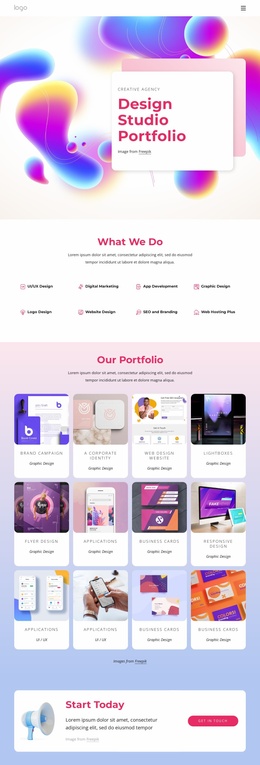
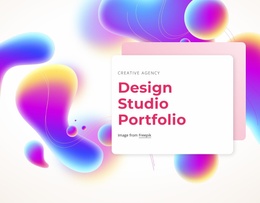
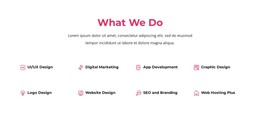
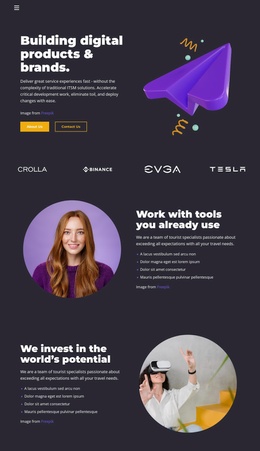
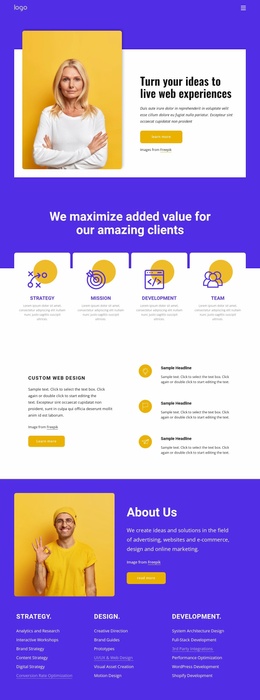
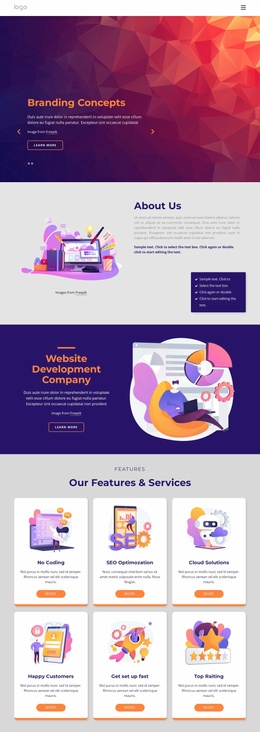
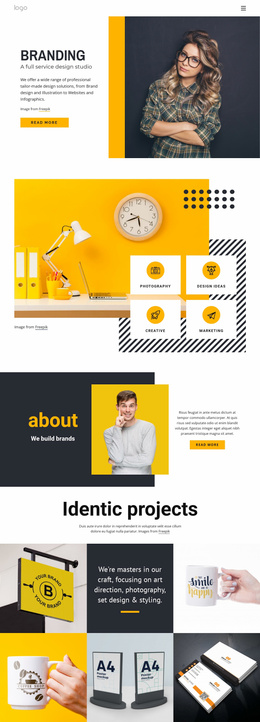
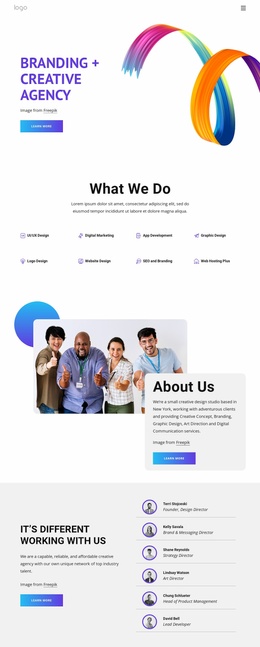
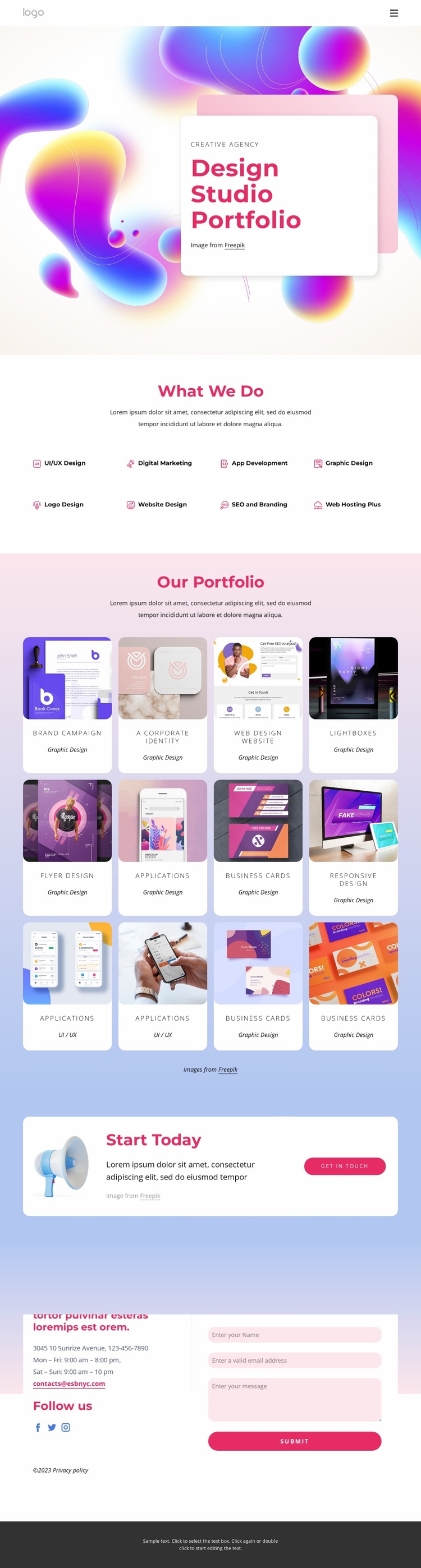
The design already defines several major content areas that can anchor a broader creative studio website. The hero establishes the studio’s visual direction and subject, while the eight service categories create a useful starting information structure. UI/UX Design, Digital Marketing, App Development, Graphic Design, Logo Design, Website Design, SEO and Branding, and Web Hosting Plus show how the project can separate different offerings without losing a shared presentation style.
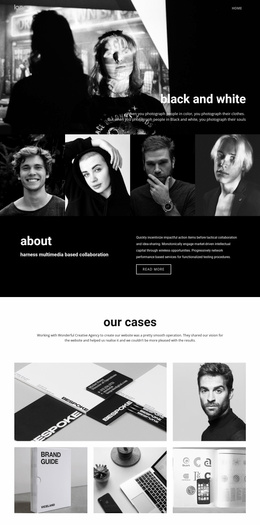
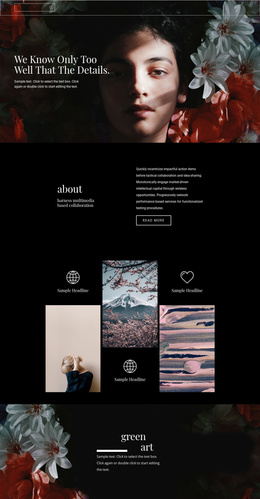
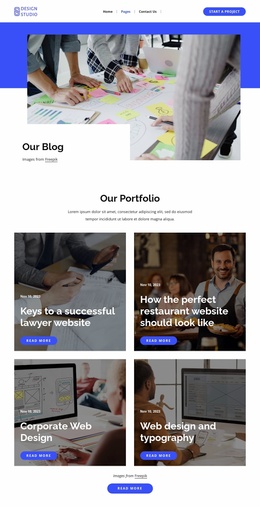
The twelve-item portfolio supplies a second major foundation area. Its image-based entries, titles, and categories can remain the visual reference point for selected work while future site content develops around the services. The relationship between the two sections is practical: service cards describe areas of capability, and portfolio cards provide places to present related examples or case-study content later. The current page therefore has more than a decorative homepage; it has recognizable content categories that can guide project expansion.
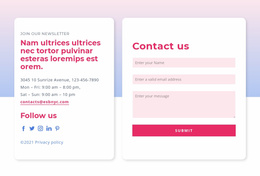
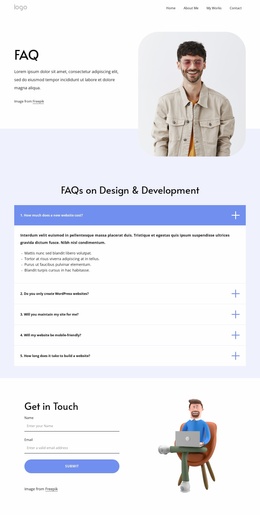
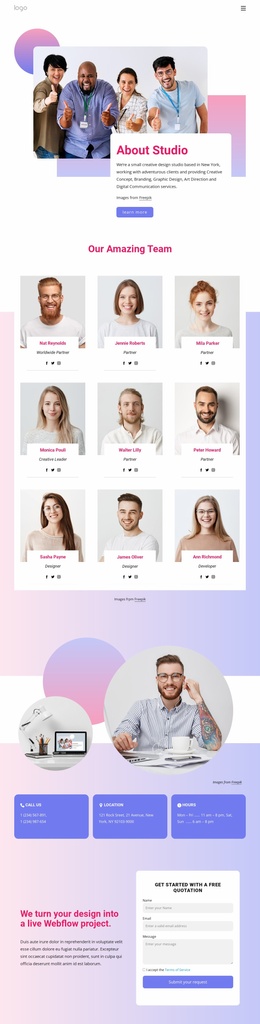
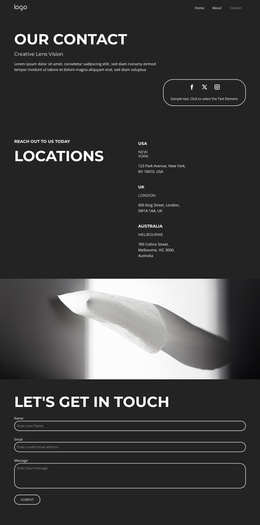
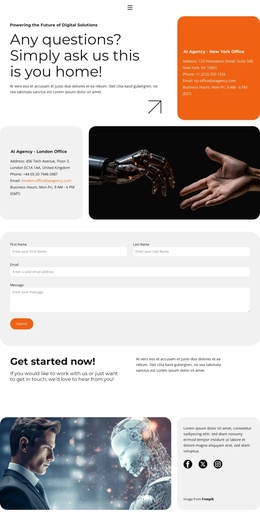
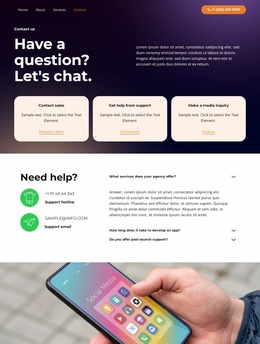
The Start Today panel gives the site a distinct action bridge, and the lower contact section provides supporting communication areas through newsletter content, social links, contact information, and a form with name, email, and message inputs. Those elements establish where inquiries and ongoing audience connection belong within the structure. A dark footer closes the current page with a restrained shared-site element. Additional pages could extend the service, project, or studio information while preserving the existing palette, rounded cards, typography, and image-led direction.
Customize with Nicepage
Open this ready-made template in the Website Template Builder and customize it visually in the Nicepage editor. Replace demo content, edit page sections, and adapt the design to your project without rebuilding the template from scratch.
Build a Complete Website From This Template
Customize the Website Visually
Use this ready-made website template as a starting point for your project and adapt its pages visually in Nicepage. Change content, images, typography, navigation, sections, and other design elements while keeping the website together as a single editable project.
Manage Website Pages in One Project
Use the Pages panel to open, add, duplicate, and manage the pages of your website. Work on individual pages while keeping navigation and the overall site structure accessible from the same project, making it easier to develop a complete website instead of managing separate page files.
Expand the Website With Matching Designs
When you need additional pages or sections, use Page Design Sets to find Page and Block Designs created in the same visual style. Design Sets group matching designs together, making it easier to expand the website with new content while maintaining a consistent look across its pages and sections.
Organize Larger Multi-Page Websites
As the website grows, use Page Folders to organize related pages and keep larger multi-page projects easier to navigate in the editor. This is especially useful for websites with separate service pages, company information, contacts, landing pages, and other content areas.
This workflow makes the template a practical foundation for building and expanding a complete website while managing its pages, content, and visual design within one Nicepage project.