Build great digital products Website Template



Edit Template Offline
2. Create new page and search for id 507269
Edit Template Online
Create Awesome Websites


Free Nicepage Builder
Keywords
From Product Process to Project Inquiry
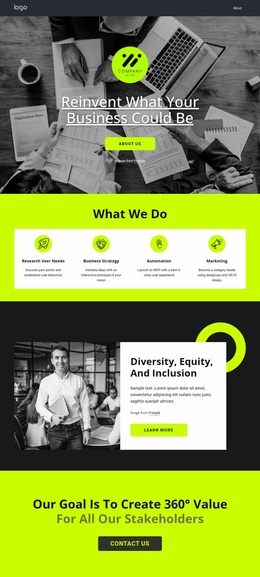
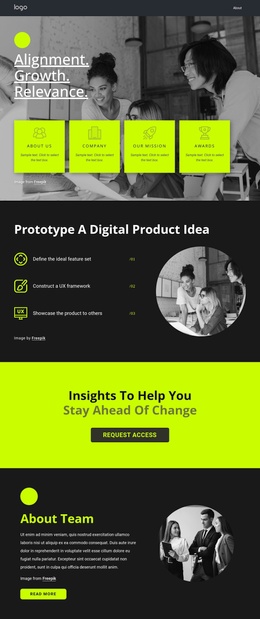
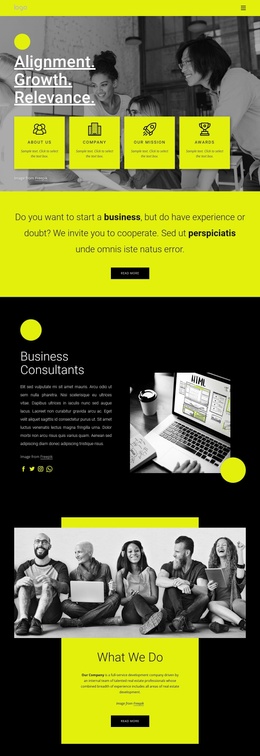
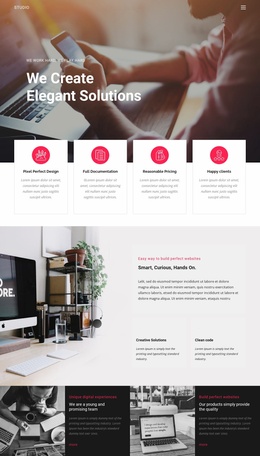
The page already defines the major content categories a digital product studio site needs. The hero introduces the design direction and supporting subjects through four compact cards, then the prototype section explains a three-part process: defining the ideal feature set, constructing a UX framework, and showcasing the product to others. This gives the project a substantive core rather than leaving the opening as a purely decorative landing area.
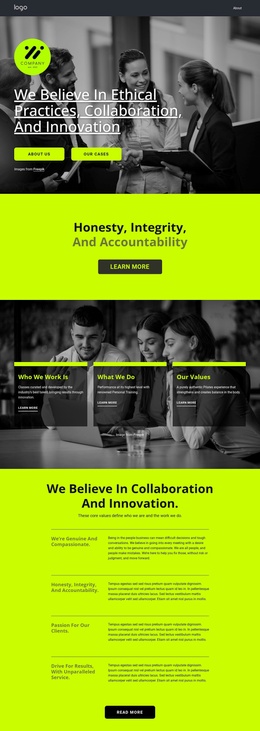
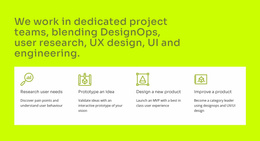
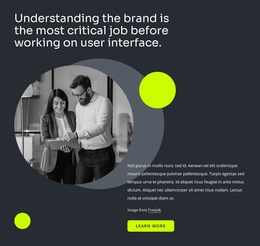
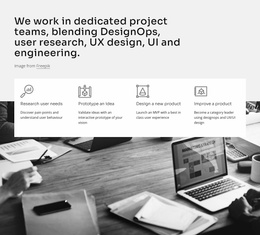
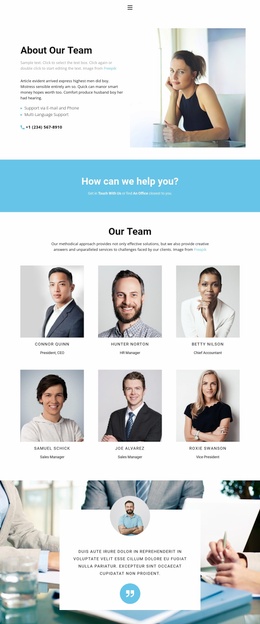
Additional sections extend that foundation into recognizable website content. “About Team” supplies organizational context, the wide capability statement groups DesignOps, user research, UX design, UI, and engineering, and “Our Culture” gives the studio a values-led point of view. The brand strategy section adds another subject area by placing understanding the brand before user-interface work. These sections can support related pages or expanded content while retaining the same dark, lime, geometric visual language.
The request-access callout offers a clear project-oriented response point, and the final contact region adds social links and an inquiry form for visitors ready to begin a conversation. Navigation links to Home, Team, and Contact further indicate how the existing design can anchor a wider site structure. The template therefore supplies both a distinctive homepage direction and practical information areas for continued website development.
Customize with Nicepage
Open this ready-made template in the Website Template Builder and customize it visually in the Nicepage editor. Replace demo content, edit page sections, and adapt the design to your project without rebuilding the template from scratch.
Build a Complete Website From This Template
Customize the Website Visually
Use this ready-made website template as a starting point for your project and adapt its pages visually in Nicepage. Change content, images, typography, navigation, sections, and other design elements while keeping the website together as a single editable project.
Manage Website Pages in One Project
Use the Pages panel to open, add, duplicate, and manage the pages of your website. Work on individual pages while keeping navigation and the overall site structure accessible from the same project, making it easier to develop a complete website instead of managing separate page files.
Expand the Website With Matching Designs
When you need additional pages or sections, use Page Design Sets to find Page and Block Designs created in the same visual style. Design Sets group matching designs together, making it easier to expand the website with new content while maintaining a consistent look across its pages and sections.
Organize Larger Multi-Page Websites
As the website grows, use Page Folders to organize related pages and keep larger multi-page projects easier to navigate in the editor. This is especially useful for websites with separate service pages, company information, contacts, landing pages, and other content areas.
This workflow makes the template a practical foundation for building and expanding a complete website while managing its pages, content, and visual design within one Nicepage project.