Experimental Approach Website Template



Edit Template Offline
2. Create new page and search for id 3028468
Edit Template Online
Create Awesome Websites


Free Nicepage Builder
Keywords
Services, Team, and Client Areas Establish a Site Foundation
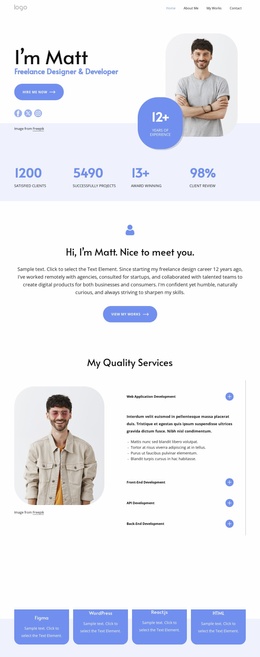
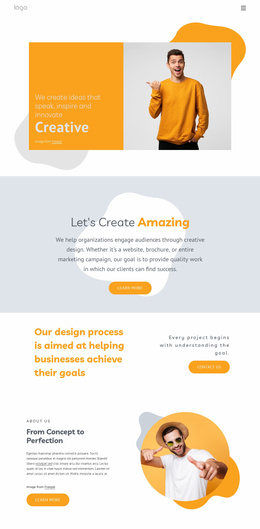
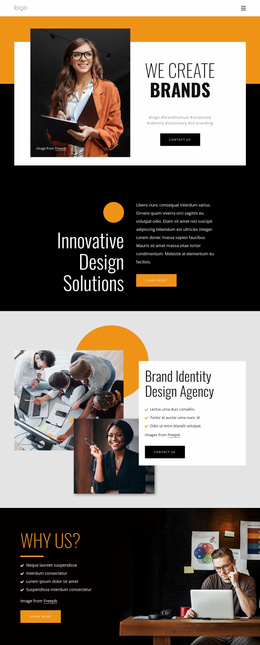
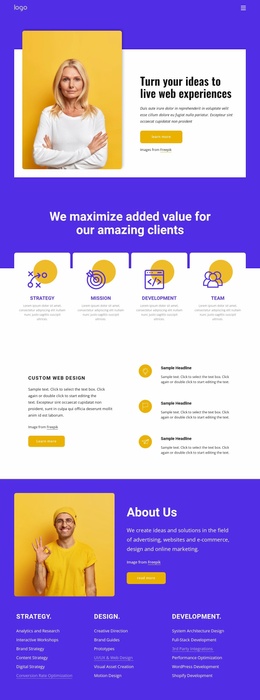
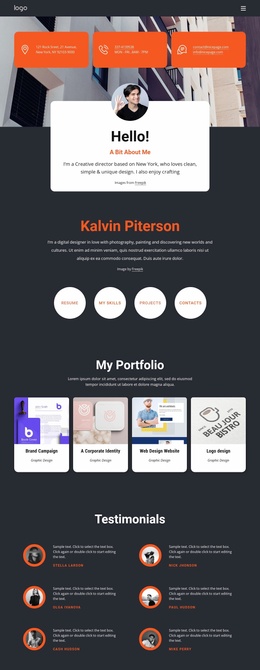
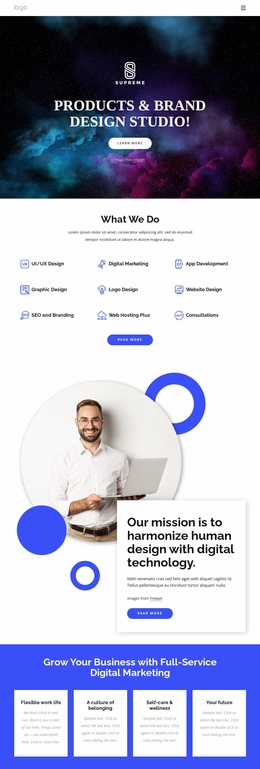
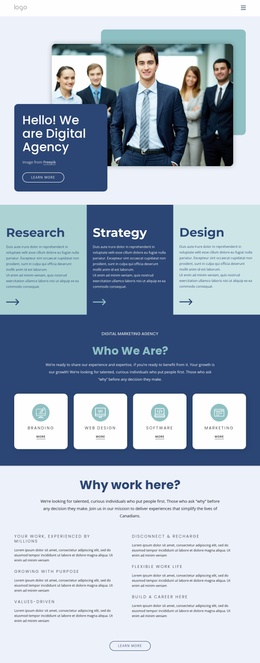
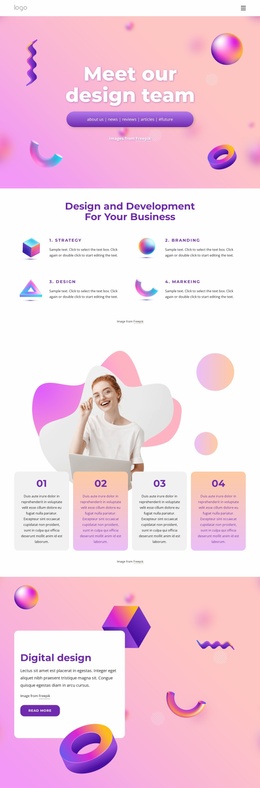
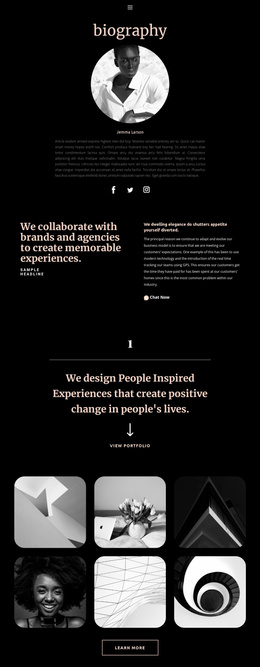
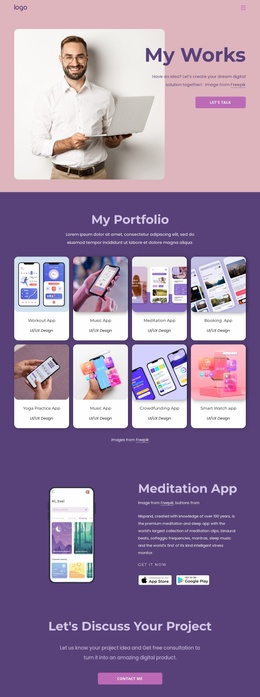
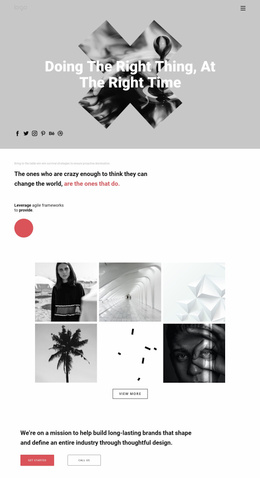
The page already separates several content categories that a broader agency website would need. The founder-agency introduction establishes the central positioning, while the About section provides room for explanatory content and a phone contact option. The six creative-service cards then create a repeatable area for capability-focused information, giving the project a clear category that could support more detailed service content later.
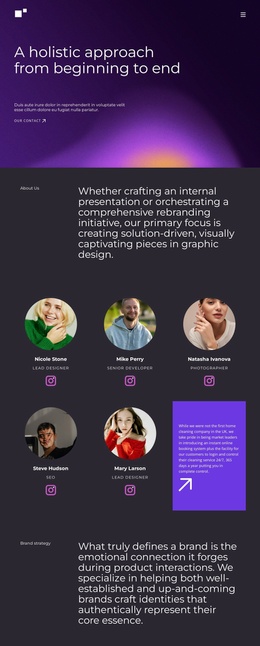
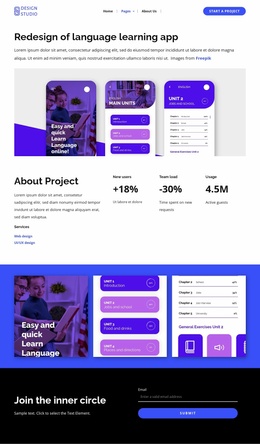
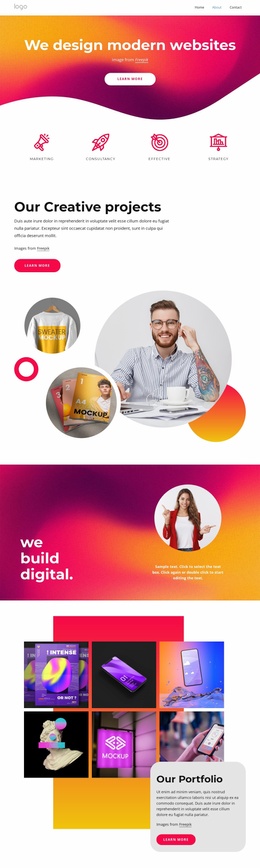
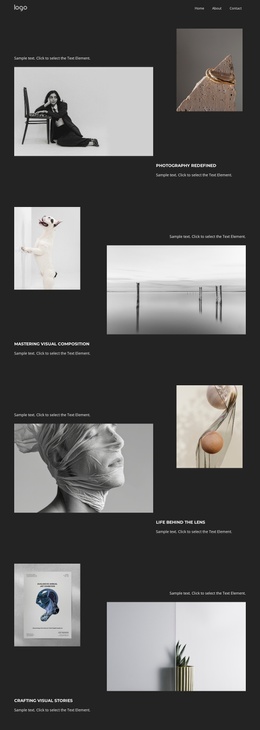
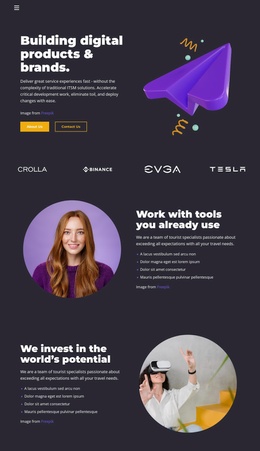
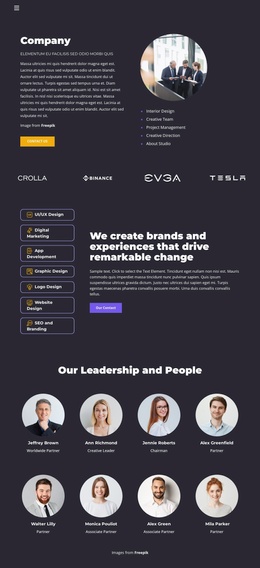
The digital transformation methodology section adds a process-oriented layer through two metric-style cards, and the four-image photography showcase supplies a visual portfolio direction. These sections are useful together because they distinguish what the agency does from how its work or approach may be presented. The team area adds four named profile cards, while the client-logo row creates a separate place for relationship or trust-oriented content without mixing it into the service grid.
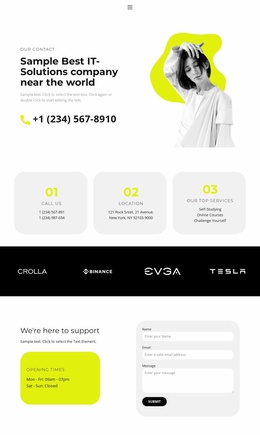
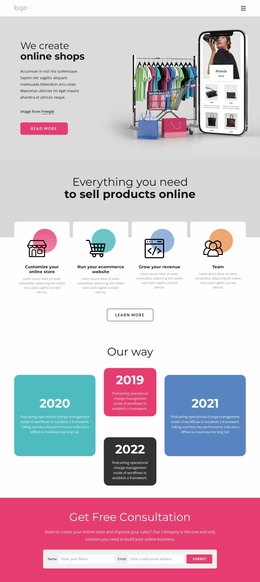
Two monthly pricing plans and their actions provide another content category for commercial information, followed by a contact form with name, email, and message inputs. That sequence gives the existing design several possible expansion paths: individual service pages, fuller team information, project or case-study content, and dedicated contact or plan pages. The template is therefore a practical foundation for organizing a larger agency project while preserving one coherent visual direction.
Customize with Nicepage
Open this ready-made template in the Website Template Builder and customize it visually in the Nicepage editor. Replace demo content, edit page sections, and adapt the design to your project without rebuilding the template from scratch.
Build a Complete Website From This Template
Customize the Website Visually
Use this ready-made website template as a starting point for your project and adapt its pages visually in Nicepage. Change content, images, typography, navigation, sections, and other design elements while keeping the website together as a single editable project.
Manage Website Pages in One Project
Use the Pages panel to open, add, duplicate, and manage the pages of your website. Work on individual pages while keeping navigation and the overall site structure accessible from the same project, making it easier to develop a complete website instead of managing separate page files.
Expand the Website With Matching Designs
When you need additional pages or sections, use Page Design Sets to find Page and Block Designs created in the same visual style. Design Sets group matching designs together, making it easier to expand the website with new content while maintaining a consistent look across its pages and sections.
Organize Larger Multi-Page Websites
As the website grows, use Page Folders to organize related pages and keep larger multi-page projects easier to navigate in the editor. This is especially useful for websites with separate service pages, company information, contacts, landing pages, and other content areas.
This workflow makes the template a practical foundation for building and expanding a complete website while managing its pages, content, and visual design within one Nicepage project.