Therapy for depression Website Design



Edit Template Offline
2. Create new page and search for id 6108561
Edit Template Online
Create Awesome Websites


Free Nicepage Builder
Keywords
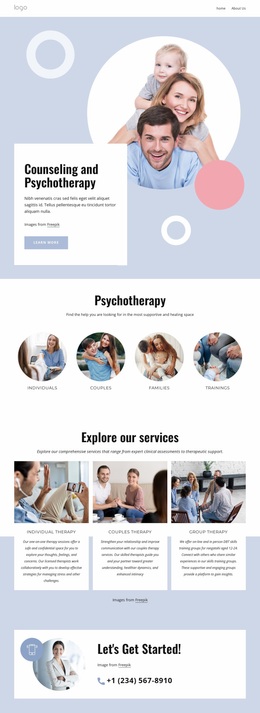
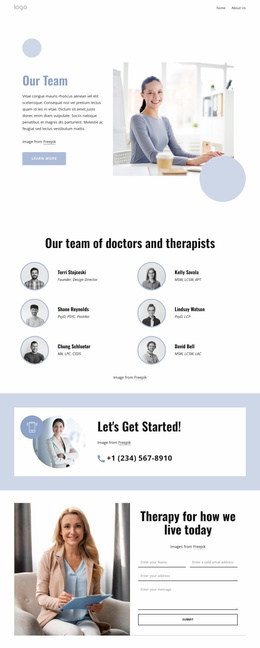
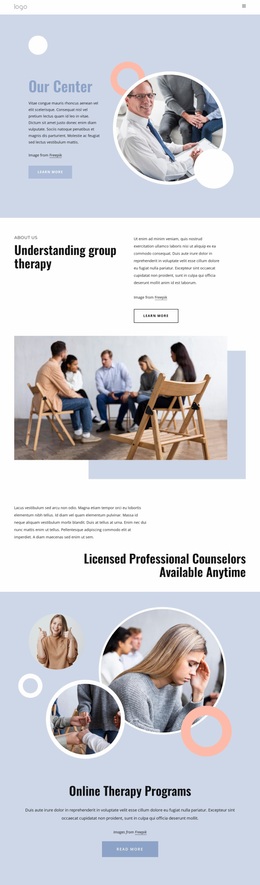
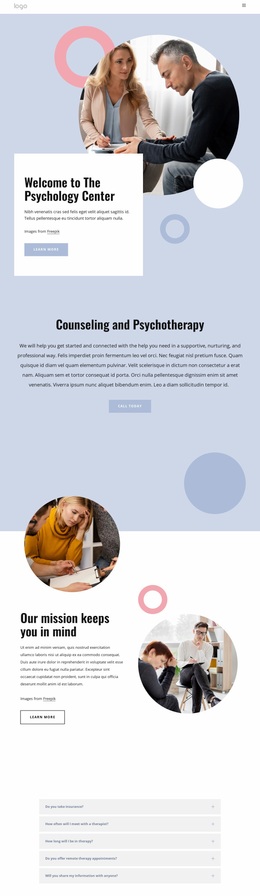
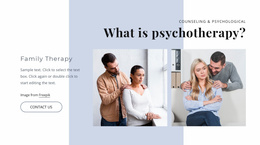
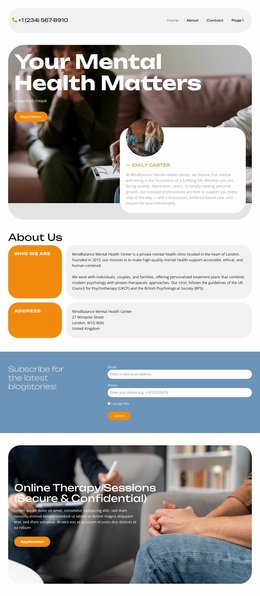
Circular photography and pastel contrast establish a calm visual language
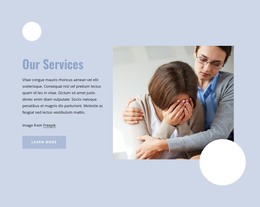
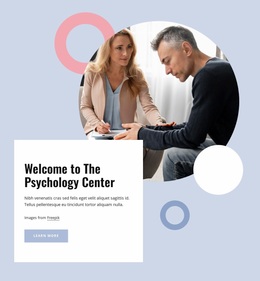
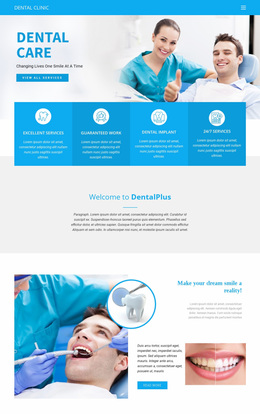
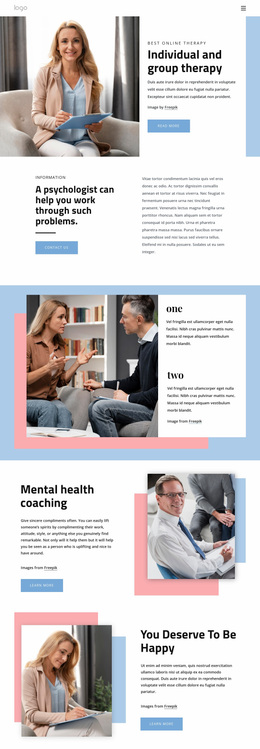
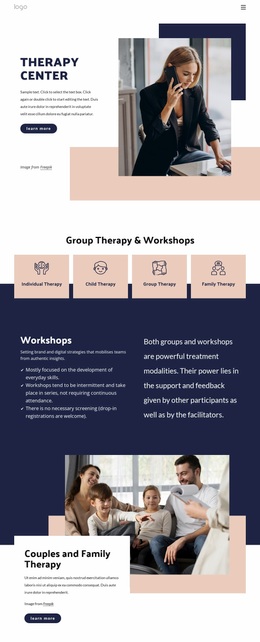
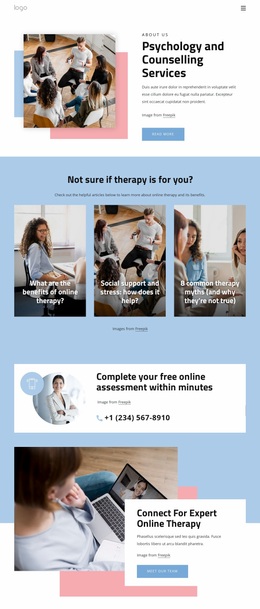
The template’s visual identity comes from repeated relationships rather than one isolated color or image. Pastel blue backgrounds create open, quiet surfaces for the centered Counseling and Psychotherapy introduction, while white cards provide contrast around the welcome message and final contact form. Pink and muted blue accents appear alongside dark bold typography, giving headings and calls to action enough emphasis without replacing the spacious tone.
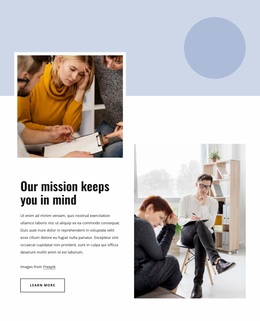
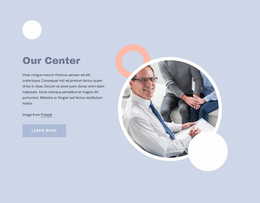
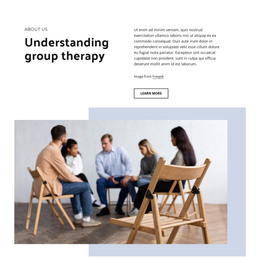
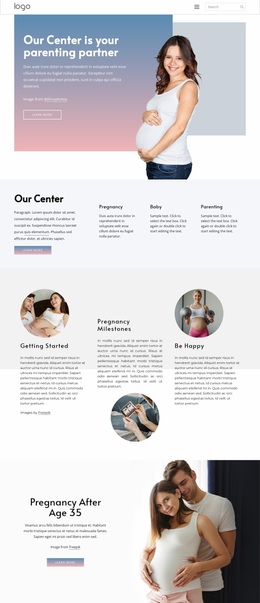
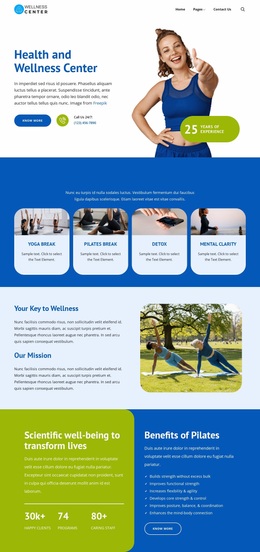
Circular photography is the strongest recurring motif. A large circle anchors the welcome hero, multiple circular photographs support the mission section, and three circular images form a decorative transition without visible text. This repetition connects sections that have different content roles: introduction, mission explanation, and visual pause. The testimonials section continues the image-led approach by placing a featured photograph beside a vertical stack of entries, while the FAQ uses a cleaner centered arrangement so the five questions remain easy to distinguish.
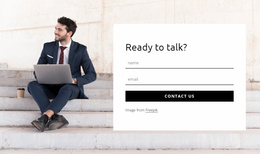
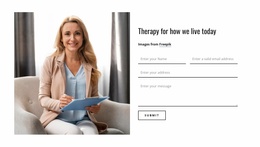
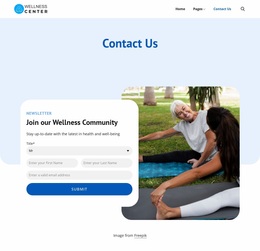
The contact area brings the system together through a large therapy photograph beside a white inquiry panel. The contrast between image, panel, and dark typography makes the final form noticeable while preserving the established visual character. A dark footer supplies a firm closing band, and the Home and About Us navigation links can carry the same palette and type treatment into related pages. The result is a recognizable counseling identity rather than merely a collection of unrelated section layouts.
Customize with Nicepage
Open this ready-made template in the Website Design Builder and customize it visually in the Nicepage editor. Replace demo content, edit page sections, and adapt the design to your project without rebuilding the template from scratch.
Create a Consistent Design Across the Website
Define a Site-Wide Visual Style
Use Theme Settings to establish the visual foundation of the website across its pages and sections. Set global Colors, Fonts, and Typography so the site follows the same design direction instead of styling each page independently.
Coordinate Colors and Typography
Choose a color scheme and font combination that fit the character of the website, then fine-tune Headings H1-H6, regular Text, links, buttons, quotes, lists, and other typography styles. Consistent use of these settings helps create a clear visual hierarchy and keeps recurring design elements recognizable throughout the website.
Add Motion and Interaction
Use Animation Effects to make the website design more dynamic and interactive. Elements and Containers can use effects such as Run On Display, Animation On Hover, and Animation Sync With Scroll to introduce content as visitors move through the site or respond to user interaction. Animation Presets provide ready-made effects that can be adapted to the visual style of the website.
Keep the Website Visually Consistent
Apply the same design direction to shared website elements such as the Header, Menu, and Footer. The Theme Settings Panel brings common site-wide styling controls together, making it easier to maintain a coordinated look as the website expands across multiple pages.
This workflow makes the template a useful starting point for creating a website with a consistent visual identity, coordinated colors and typography, shared design rules, and interactive effects across its pages.