Transportation and logistics management CSS Template



Edit Template Offline
2. Create new page and search for id 289055
Edit Template Online
Create Awesome Websites


Free Nicepage Builder
Keywords
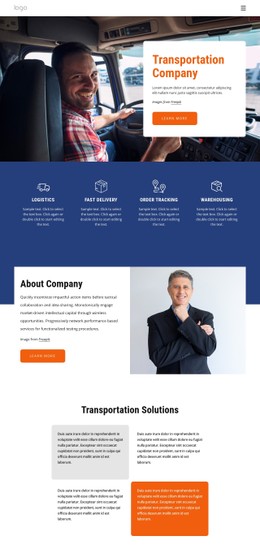
Orange Accents and Dark Service Panels Shape the Logistics Styling
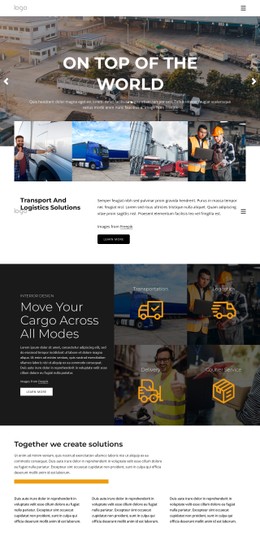
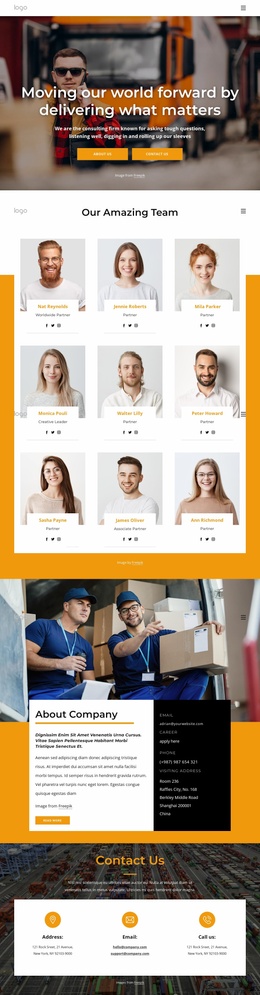
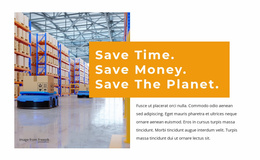
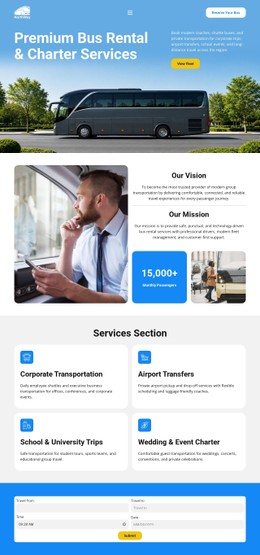
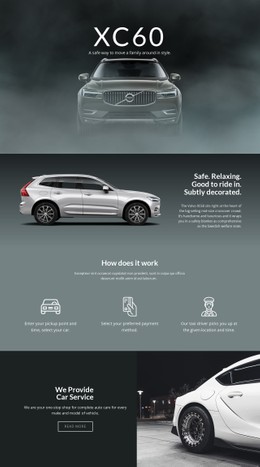
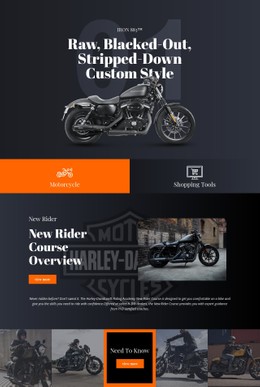
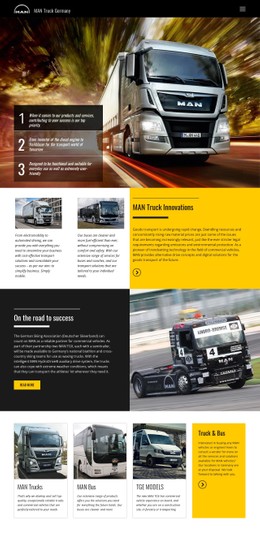
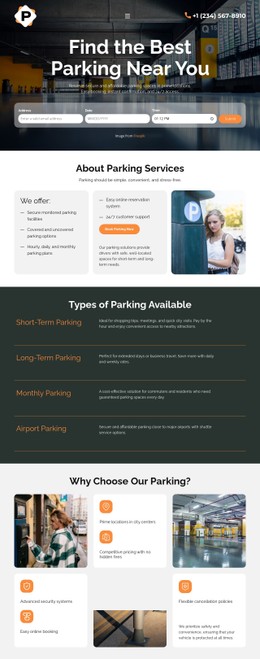
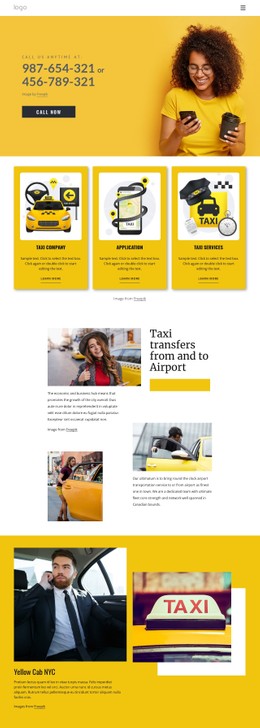
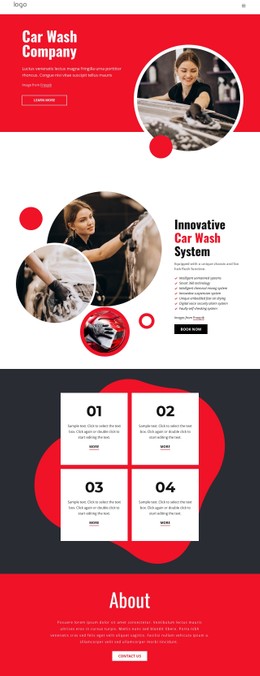
The charcoal, white, and warm orange palette creates a clear styling hierarchy for this logistics page. Dark image-backed areas give the transportation and delivery content visual weight, while white cards and text panels provide contrast for supporting information. Orange accents can mark dividers, links, or other points of emphasis without competing with the large warehouse, transport, and delivery photographs.
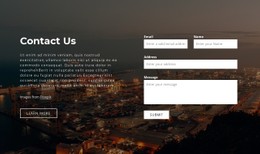
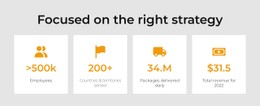
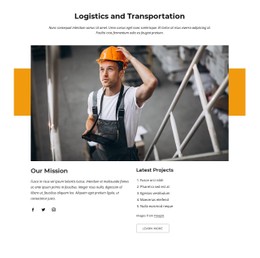
The two-slide hero carousel establishes the strongest visual treatment at the top, using large background imagery with centered overlay text. Farther down, the four-item service gallery and four service tiles repeat image-led presentation, while the layered collage and split section introduce changes in scale and alignment. These repeated choices connect otherwise different content groups into one visual system: broad photography for context, compact text panels for explanation, and restrained accent color for emphasis. The mission, project, and contact sections continue that pattern with spacious editorial layouts and white contact cards against imagery. As a CSS-oriented implementation, the template is especially useful when the goal is to refine backgrounds, spacing, borders, typography, overlay contrast, and card treatment while preserving the established service sequence.
Customize with Nicepage
Open this ready-made template in the CSS Template Builder and customize it visually in the Nicepage editor. Replace demo content, edit page sections, and adapt the design to your project without rebuilding the template from scratch.
Customize This Template With CSS
Control Page-Specific Styling
Customize the visual appearance of this ready-made template directly in the Nicepage editor. Adjust typography, spacing, backgrounds, borders, colors, positioning, and other style properties using visual controls while keeping the page layout easy to manage without writing CSS manually.
Add Custom CSS When Needed
For styling requirements that go beyond the standard editor options, use Custom CSS to add targeted rules. CSS can be applied to individual elements, specific pages, or the entire website depending on the scope of the customization, while CSS classes can be used to connect custom rules with selected elements.
Export Minimal CSS Per Page
For projects where CSS size and page performance matter, Nicepage can export minimal CSS for each page. Instead of relying on one larger common stylesheet, each page can use a separate CSS file containing only the style rules required for that particular page. According to Nicepage documentation, these page-specific CSS files can be about ten times more compact, helping reduce unnecessary CSS and improve page loading performance.
This workflow combines visual styling with optional custom CSS and optimized page-specific CSS output, giving you additional control when a project requires it without making manual CSS editing the primary way to customize the template.