Frozen yogurt Web Page Design


A Large Image Anchors the Text Panel on the Page
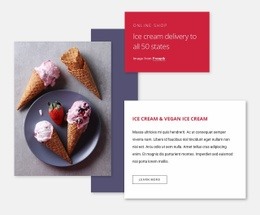
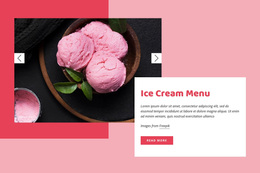
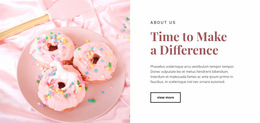
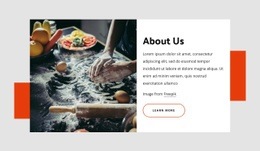
The section’s composition depends on contrast and offset. The large photograph occupies the left side and carries substantial visual weight, while the white panel on the right creates a calmer reading area for the heading and paragraph. Behind the photograph, the orange rectangular accent introduces a geometric layer that makes the image feel integrated into the design rather than placed beside the copy. The dark-green heading then establishes the first reading point, followed by the supporting paragraph and rounded black “View Menu” button.
As one unit in a web page, this arrangement can create a strong introductory transition between surrounding sections. The image draws attention before the eye moves toward the text panel, and the button provides a final point of focus within that panel. The composition is intentionally narrower in purpose than a full page: it introduces the frozen dessert offering and directs visitors toward menu content. Neighboring sections can carry more detailed information without competing for the same visual role. When placed in page flow, the block’s asymmetry can also prevent a sequence of uniformly centered sections from becoming visually repetitive.
Customize with Nicepage
Open this ready-made template in the Web Page Design Builder and customize it visually in the Nicepage editor. Replace demo content, edit page sections, and adapt the design to your project without rebuilding the template from scratch.
Edit Template Offline
2. Create a new page or select existing
3. Click Add new block, search for id 1362248 and click enter
Edit Template Online
Create Awesome Websites


Free Nicepage Builder
Keywords
Design a Web Page Section by Section
Choose a Design for Each Section
Build the page from individual content sections instead of starting with a fixed full-page layout. Use Block Designs to browse ready-made sections for different purposes, including introductions, services, galleries, testimonials, contact forms, pricing, and other common parts of a web page. Search or filter the available designs to find a layout that fits the content you want to add.
Combine Blocks and Page Elements
Add selected Blocks to the page and arrange them in the order that supports the page's purpose. A hero section can introduce the main message, followed by services, benefits, portfolio content, testimonials, calls to action, or contact information.
Inside each section, use Web Page Elements such as Text, Image, Hyperlink, Grid, Gallery, and other elements to build and present the page content. Individual elements can be added and adjusted within the Blocks, giving you more control over the composition of each section without having to create the complete layout from scratch.
Refine the Page Layout and Flow
After assembling the main sections, adjust their content, spacing, backgrounds, images, typography, and element placement in the Nicepage editor. Reorder Blocks when necessary and refine the transition from one section to the next so the information hierarchy and visual flow remain clear throughout the page.
This workflow makes the template useful as a web page design that can be composed from ready-made sections, customized with individual page elements, rearranged, and adapted to the content and purpose of an individual page.