Stylist beauty tips Web Page Design
Edit Template Offline
2. Create new page and search for id 133972
Edit Template Online
Create Awesome Websites


Free Nicepage Builder
Keywords
Split Sections and Image Fields Control the Page Rhythm
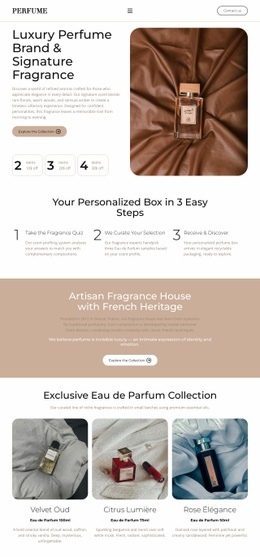
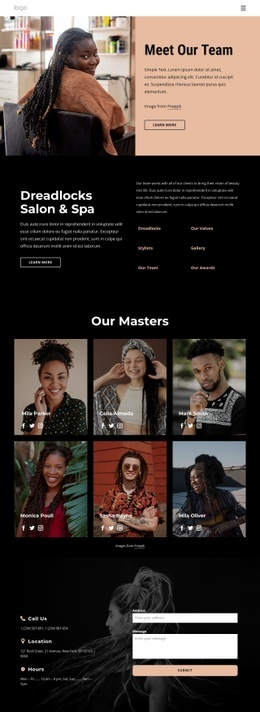
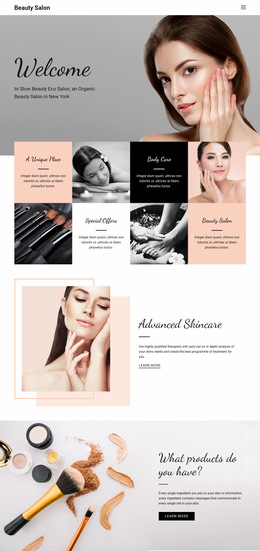
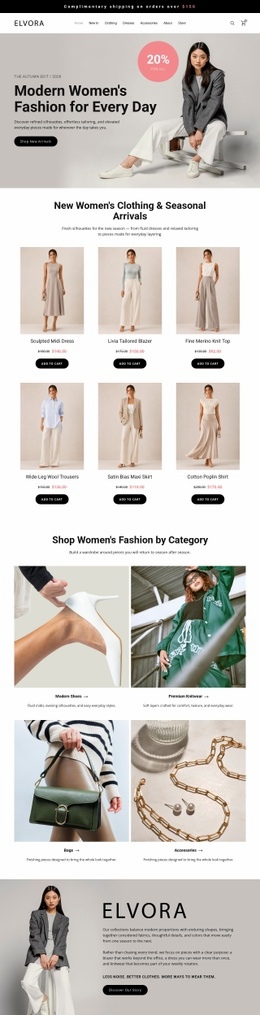
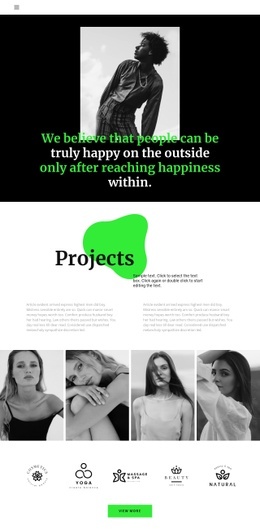
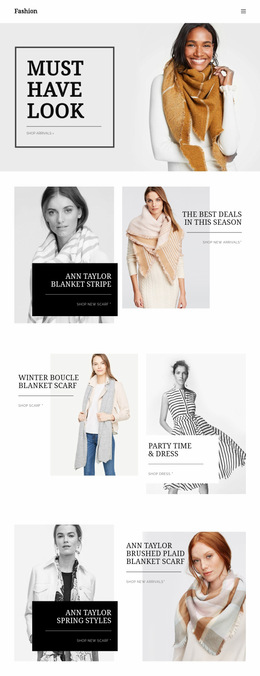
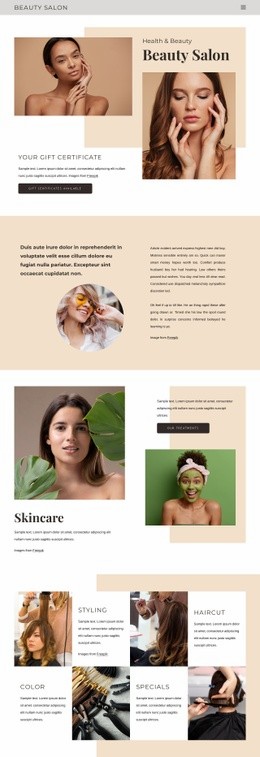
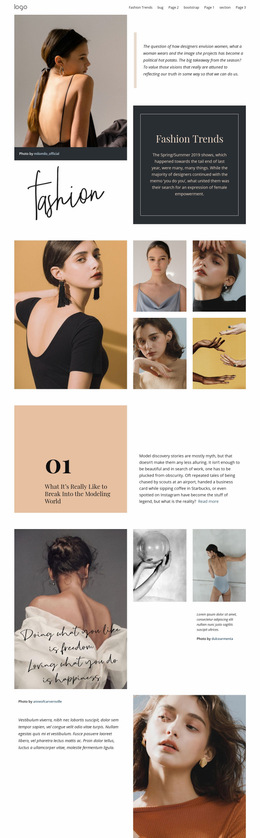
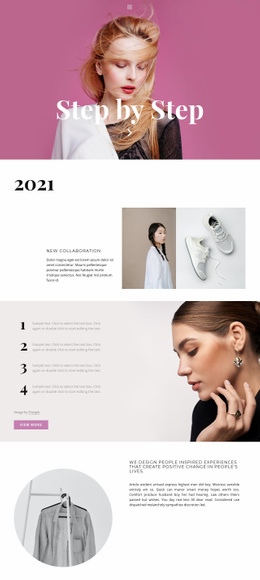
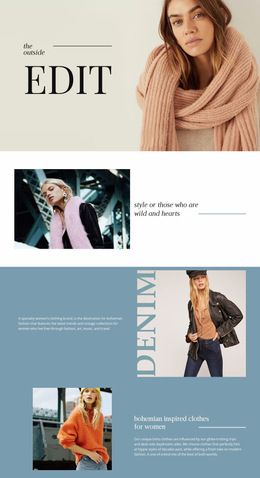
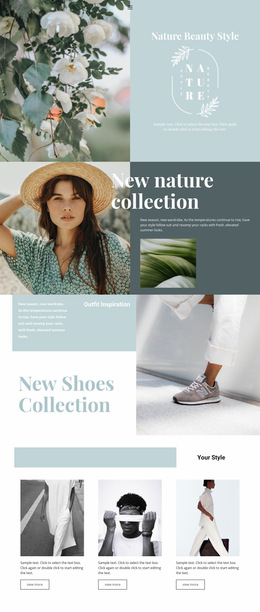
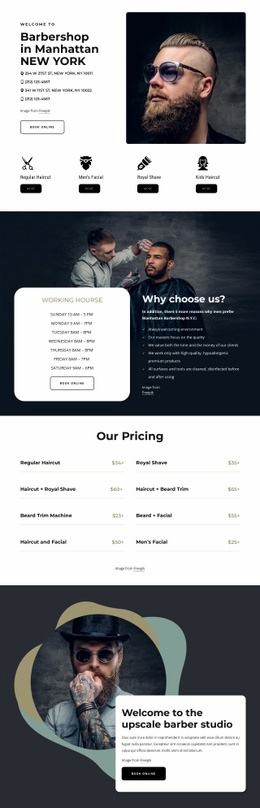
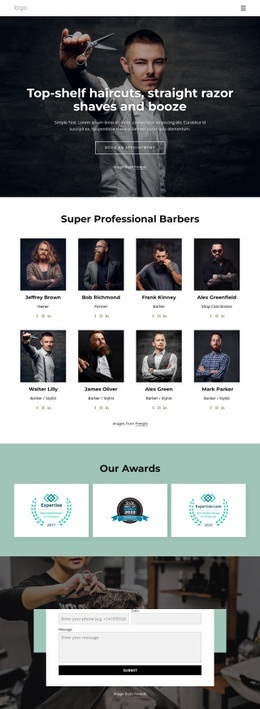
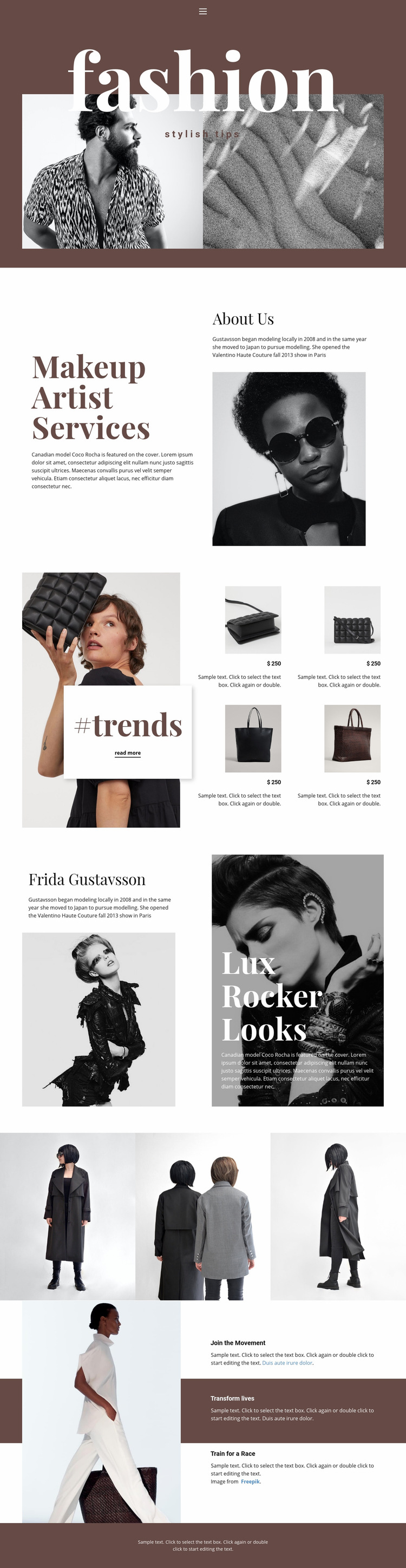
The opening text-on-image block establishes a strong focal point by placing the oversized fashion title above a paired image composition. The next split section reduces that visual intensity by setting makeup artist services and About Us copy beside a portrait, creating a readable relationship between explanation and image. This alternation continues through the page rather than repeating one layout pattern.
The #trends area increases content density with a featured fashion image and four smaller repeated highlights, including the visible read more action. After that, the Frida Gustavsson section returns to a two-column editorial arrangement and adds a dark image with overlaid text, creating a marked contrast with the lighter areas. The three-image gallery then works as a horizontal visual pause before Join the Movement pairs a large lifestyle image with three stacked feature messages on alternating light and dark backgrounds. These transitions shape how attention moves through the individual page: large imagery introduces or interrupts a subject, while split content supplies explanation and profile context. The composition is therefore defined by placement, density, contrast, and section transitions rather than by a site-wide design system or implementation detail.
Customize with Nicepage
Open this ready-made template in the Web Page Design Builder and customize it visually in the Nicepage editor. Replace demo content, edit page sections, and adapt the design to your project without rebuilding the template from scratch.
Design a Web Page Section by Section
Choose a Design for Each Section
Build the page from individual content sections instead of starting with a fixed full-page layout. Use Block Designs to browse ready-made sections for different purposes, including introductions, services, galleries, testimonials, contact forms, pricing, and other common parts of a web page. Search or filter the available designs to find a layout that fits the content you want to add.
Combine Blocks and Page Elements
Add selected Blocks to the page and arrange them in the order that supports the page's purpose. A hero section can introduce the main message, followed by services, benefits, portfolio content, testimonials, calls to action, or contact information.
Inside each section, use Web Page Elements such as Text, Image, Hyperlink, Grid, Gallery, and other elements to build and present the page content. Individual elements can be added and adjusted within the Blocks, giving you more control over the composition of each section without having to create the complete layout from scratch.
Refine the Page Layout and Flow
After assembling the main sections, adjust their content, spacing, backgrounds, images, typography, and element placement in the Nicepage editor. Reorder Blocks when necessary and refine the transition from one section to the next so the information hierarchy and visual flow remain clear throughout the page.
This workflow makes the template useful as a web page design that can be composed from ready-made sections, customized with individual page elements, rearranged, and adapted to the content and purpose of an individual page.