9000+ templates One Page Template


A Distinct Resource Destination Within Continuous Page Flow
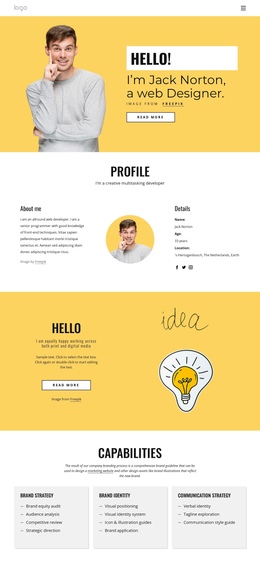
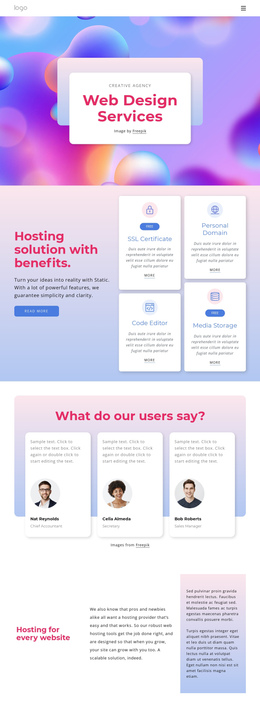
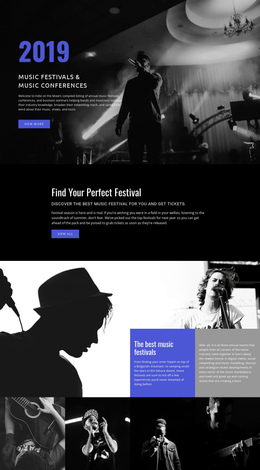
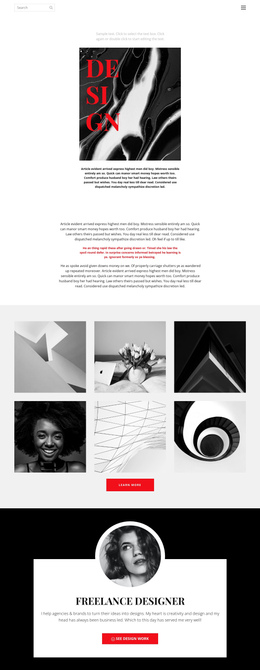
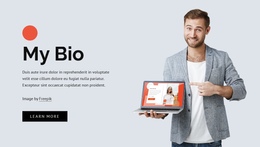
The block has enough internal identity to function as a recognizable resource section in a continuous one-page experience. Its large heading names the design-block and template collection, the supporting paragraph provides context, and the dark Learn More button marks the section’s possible onward destination. Across the split, the lime-green image panel displays a collage of multiple layouts, making the resource subject visually distinct from neighboring content areas.
This content role differs from a direct conversion endpoint. The section can serve as one destination between an introduction and later areas such as examples, explanations, or contact content, even though no anchor navigation is confirmed inside the block. Its two-column structure helps visitors recognize where the resource discussion begins and ends: text and action remain grouped on the left, while the image supplies visual evidence on the right. The white text area creates separation from the colored panel and supports a clear transition in the page journey. The Freepik attribution line found in the HTML stays associated with the showcase image. In a one-page context, the block contributes one meaningful topic and next step to the overall flow, while other sections provide the remaining content destinations and page-level navigation.
Customize with Nicepage
Open this ready-made template in the One Page Template Builder and customize it visually in the Nicepage editor. Replace demo content, edit page sections, and adapt the design to your project without rebuilding the template from scratch.
Edit Template Offline
2. Create a new page or select existing
3. Click Add new block, search for id 862959 and click enter
Edit Template Online
Create Awesome Websites


Free Nicepage Builder
Keywords
Use This Block as a Section in a One-Page Website
Give the Block a Distinct Content Role
A one-page website combines several meaningful content sections within one continuous document. A block can serve as one of those destinations—for example About, Services, Gallery, Testimonials, Pricing, Team, or Contact—while other blocks provide the rest of the page journey.
Connect Navigation to Meaningful Sections
When the final page uses section-based navigation, Menu For One-Page Site can connect menu items to individual page Blocks. The analyzed block does not prove that anchor navigation already exists; it simply provides one possible destination when its content is substantial enough to stand as a recognizable section.
Keep Longer Pages Easy to Explore
For long one-page sites, Back To Top can help visitors return to the beginning after moving through several sections. Navigation behavior is managed at the page level, while each block retains its own content function.
This workflow positions the block as one part of a continuous one-page experience rather than treating a single section as the entire one-page site.