The full-service digital marketing agency. One Page Template


Edit Template Offline
2. Create new page and search for id 3621775
Edit Template Online
Create Awesome Websites


Free Nicepage Builder
Keywords
Services, Work, People, and Contact Form a Continuous Agency Journey
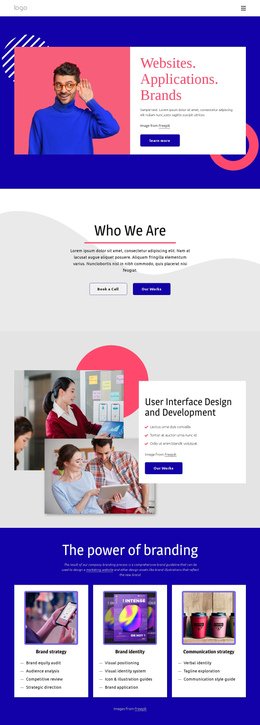
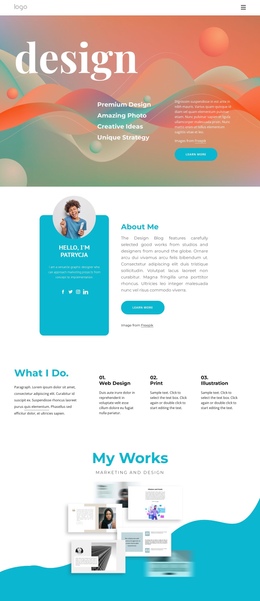
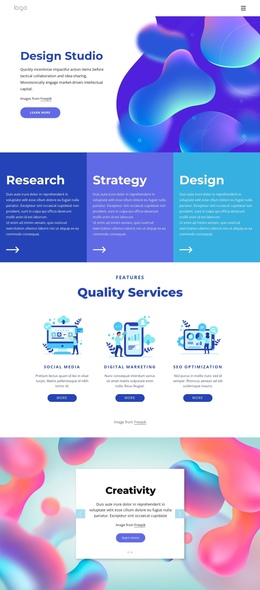
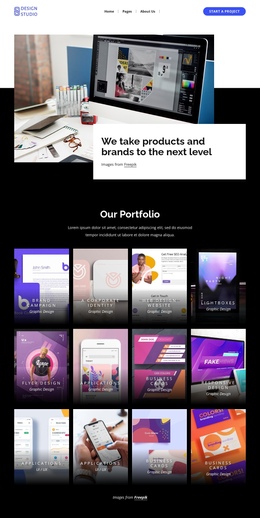
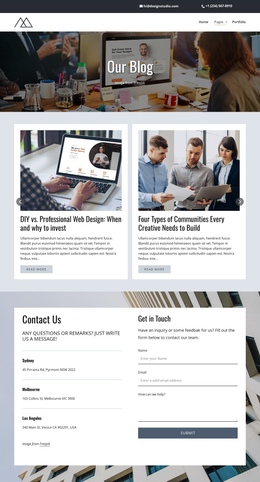
The page has enough distinct content zones to support a meaningful single-page journey without treating every section as the same kind of information. The opening navigation and Design Studio hero create the entry point, while the six service cards provide the first substantial destination for visitors who want to understand the agency’s offer. The featured slider then changes the rhythm by presenting three examples through a rotating image-led group.
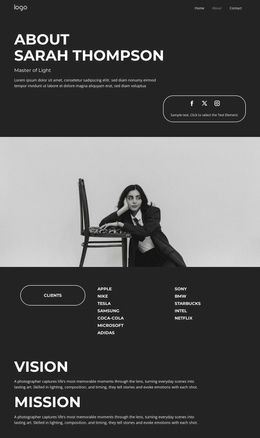
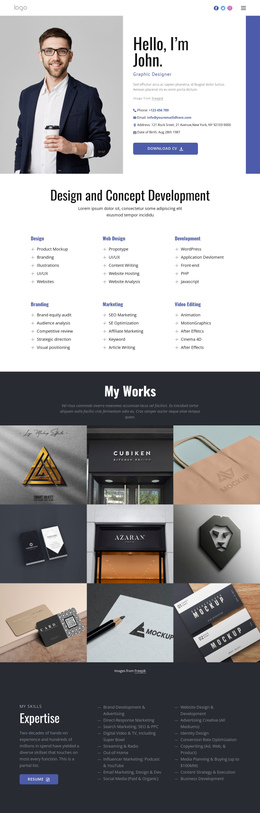
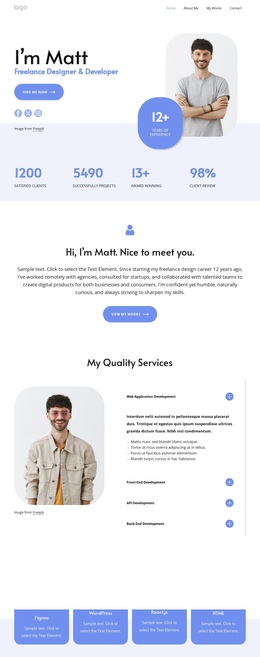
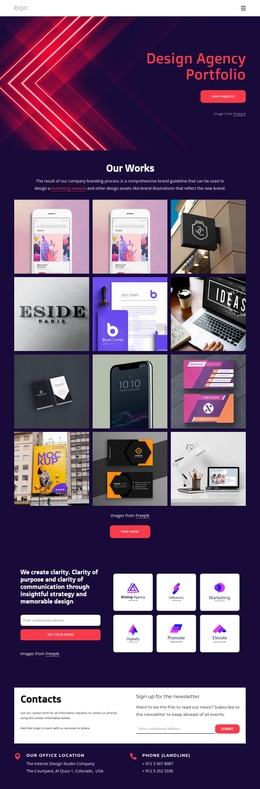
Further down, the About section introduces team imagery and explanatory text before the three capability columns provide more detailed service information. This sequence matters: visitors encounter the agency’s broad categories before they reach the deeper descriptions. The six team profiles create a people-focused destination, and the six portfolio tiles shift attention from internal capability to visible work. The seven client logos add another compact recognition area without requiring a separate page.
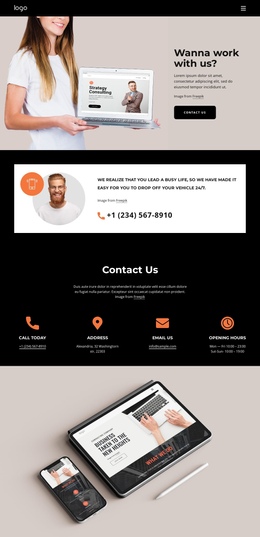
The contact section works as the final destination in the continuous document. Its Chicago location, social links, and form gather practical response information after the visitor has moved through services, capabilities, people, work, and clients. A one-page navigation approach can therefore preserve these distinctions while keeping them on one URL. The design’s value as a one-page structure comes from the ordered relationship between several content destinations, not simply from placing a long collection of blocks on one screen.
Customize with Nicepage
Open this ready-made template in the One Page Template Builder and customize it visually in the Nicepage editor. Replace demo content, edit page sections, and adapt the design to your project without rebuilding the template from scratch.
Build a Navigable One-Page Website
Connect the Menu to Page Sections
Organize the website as a sequence of sections on a single page and use the Menu For One-Page Site to connect menu items with individual page Blocks. Visitors can jump directly to sections such as About, Services, Testimonials, or Contact without opening separate pages.
Keep the Website on One URL
A one-page template can combine several parts of a small website within one continuous page. Arrange the Header, introduction, services, portfolio, company information, reviews, contact details, and other relevant sections in the order that fits the project while keeping them accessible through the same page navigation.
Make Long Pages Easier to Navigate
For longer one-page websites, keep navigation labels short and connected to meaningful sections so visitors can move through the page without relying only on scrolling. You can also use the Back To Top element to provide a quick way back to the beginning after longer sections.
This workflow makes the template suitable for compact websites that need several distinct content sections while keeping the complete visitor experience on one URL.