The freedom to be yourself One Page Template


Edit Template Offline
2. Create new page and search for id 1097416
Edit Template Online
Create Awesome Websites


Free Nicepage Builder
Keywords
Navigation Leads Through Galleries, Profiles, Product, and Contact
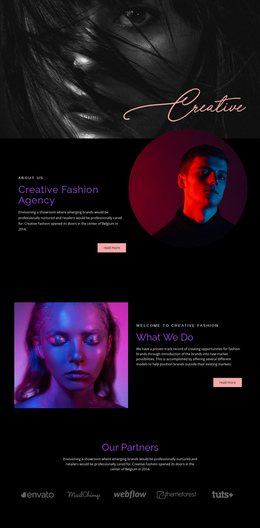
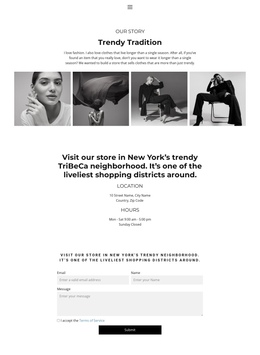
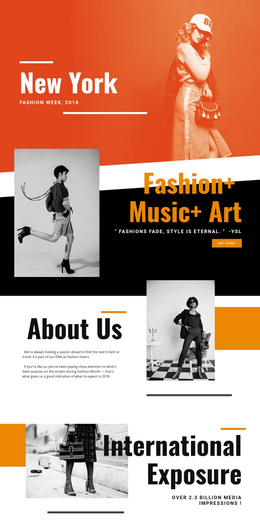
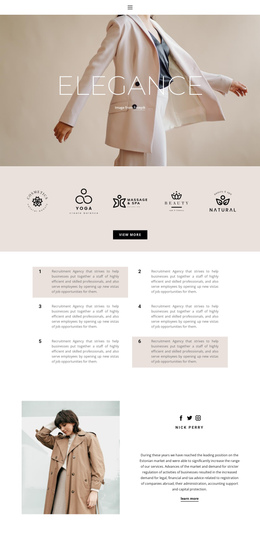
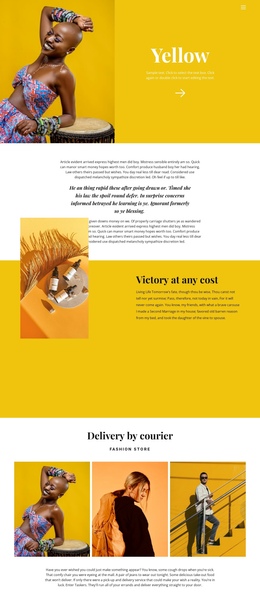
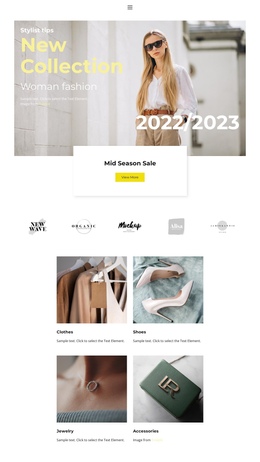
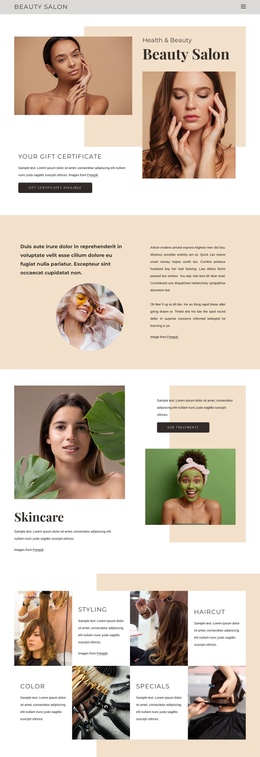
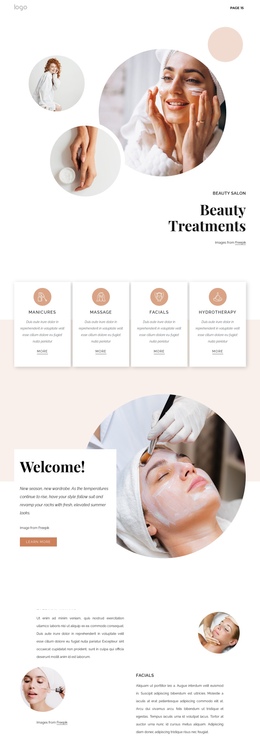
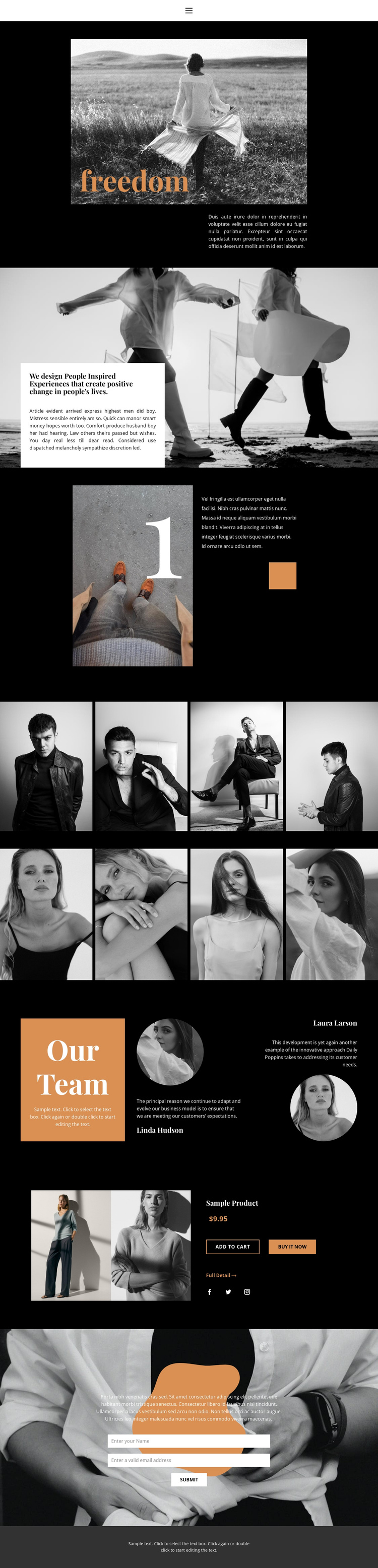
The page contains several distinct information destinations that can be experienced without breaking the visual sequence. The compact navigation at the top introduces About, Contact, and Page 1, while the body itself progresses from the freedom hero to a broad statement about designing people-inspired experiences. A numbered feature section then changes the rhythm through an asymmetrical image-and-text arrangement before the first gallery opens the page into a wider visual collection.
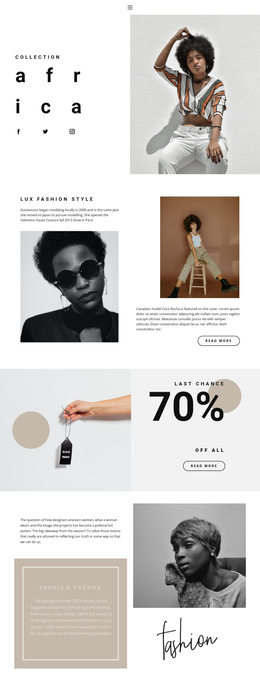
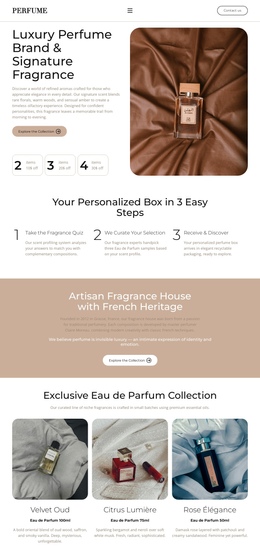
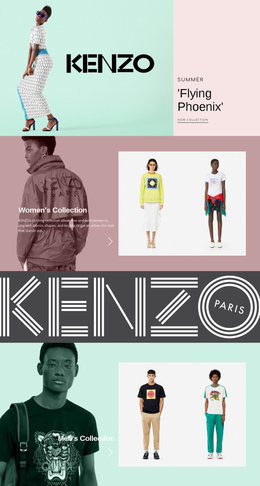
The second four-image gallery extends that photography-led journey rather than repeating the same role exactly. Together, the galleries can represent separate visual destinations within one continuous fashion presentation. The Our Team section provides another meaningful stop: an orange title panel introduces two portrait profiles and quotes, giving visitors a people-focused area after the image collections. The featured product then changes the content type again, presenting product information, a displayed price, purchase actions, a detail link, and social links.
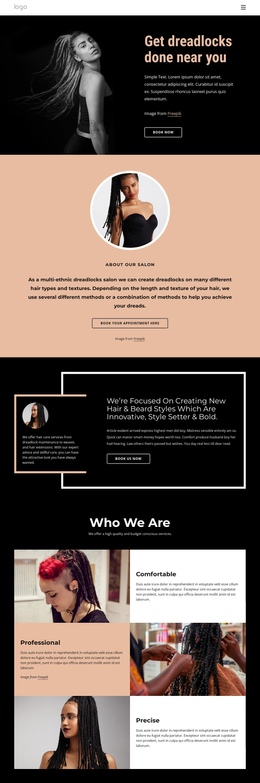
The contact form acts as a final destination instead of merely another visual block. Its white card over a monochrome background makes the inquiry area easy to recognize after the editorial, team, and product sections. This sequence gives the page a one-page information architecture with multiple content purposes. It should be treated as a set of navigable destinations rather than as a single conversion funnel, because the design contains editorial, profile, product, social, and contact roles.
Customize with Nicepage
Open this ready-made template in the One Page Template Builder and customize it visually in the Nicepage editor. Replace demo content, edit page sections, and adapt the design to your project without rebuilding the template from scratch.
Build a Navigable One-Page Website
Connect the Menu to Page Sections
Organize the website as a sequence of sections on a single page and use the Menu For One-Page Site to connect menu items with individual page Blocks. Visitors can jump directly to sections such as About, Services, Testimonials, or Contact without opening separate pages.
Keep the Website on One URL
A one-page template can combine several parts of a small website within one continuous page. Arrange the Header, introduction, services, portfolio, company information, reviews, contact details, and other relevant sections in the order that fits the project while keeping them accessible through the same page navigation.
Make Long Pages Easier to Navigate
For longer one-page websites, keep navigation labels short and connected to meaningful sections so visitors can move through the page without relying only on scrolling. You can also use the Back To Top element to provide a quick way back to the beginning after longer sections.
This workflow makes the template suitable for compact websites that need several distinct content sections while keeping the complete visitor experience on one URL.