Same day flower delivery Landing Page
Edit Template Offline
2. Create new page and search for id 6247229
Edit Template Online
Create Awesome Websites


Free Nicepage Builder
Keywords
From Floral Introduction to the Learn More Response
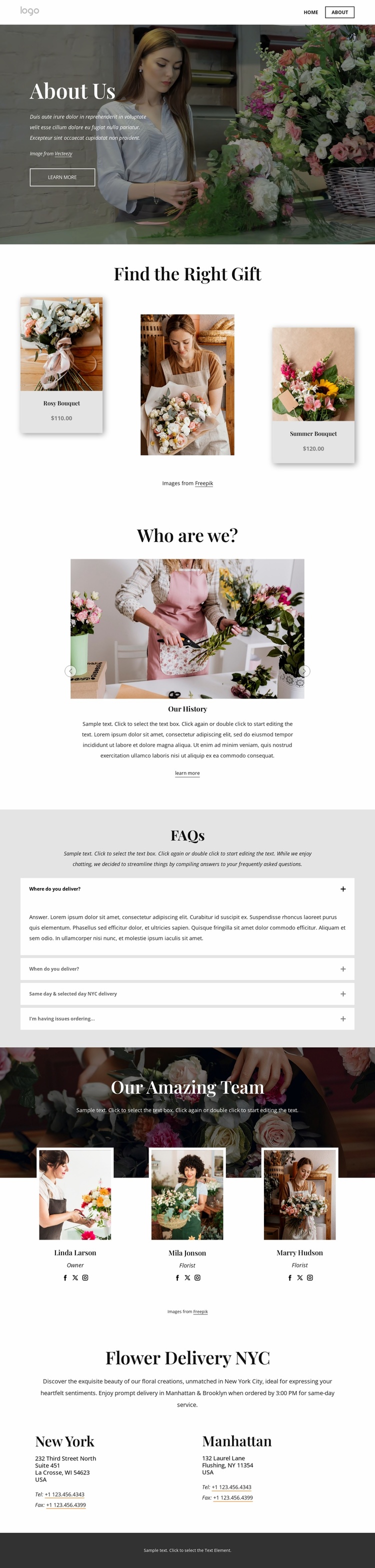
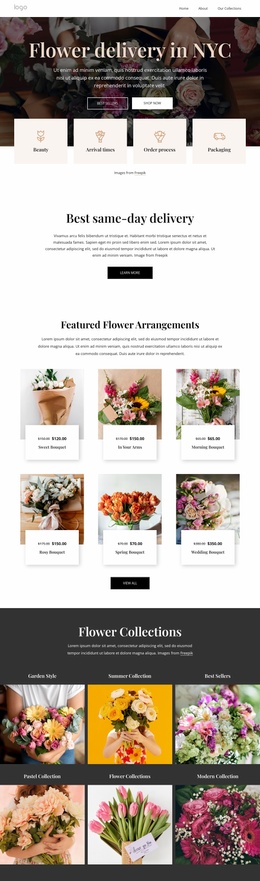
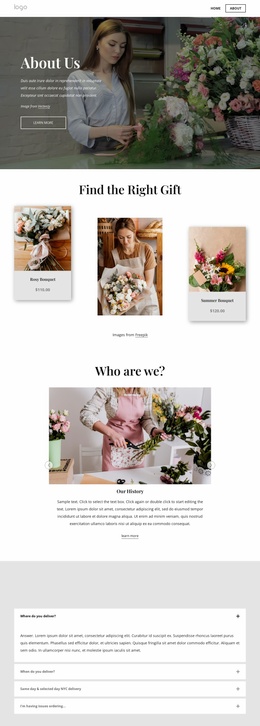
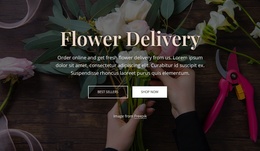
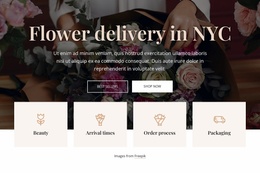
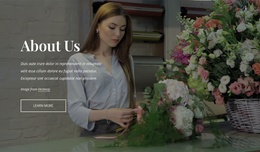
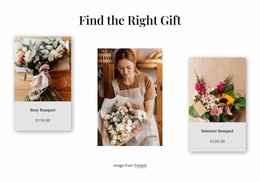
The opening floral video establishes an immediate setting for the florist, while the overlaid About Us copy explains who the page represents. The Learn More button is the clearest verified action on the page, so the design can guide visitors toward learning about the florist rather than claiming a completed purchase or booking funnel. The next section supports that response by showing two featured floral products, Rosy Bouquet and In Your Arms, with displayed prices and product imagery.
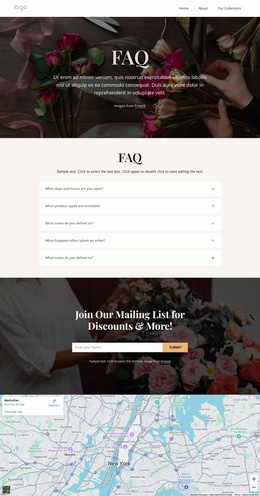
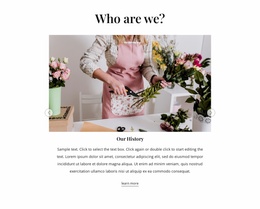
The page then builds supporting context before visitors reach the delivery information. The three story items—Our History, Our Mission, and Meet The Team—allow the company narrative to follow the initial product presentation. Four expandable FAQ items address practical concerns such as delivery areas, delivery timing, same-day or selected-day NYC delivery, and ordering issues. Their position gives visitors a place to resolve common questions without interrupting the main visual sequence.
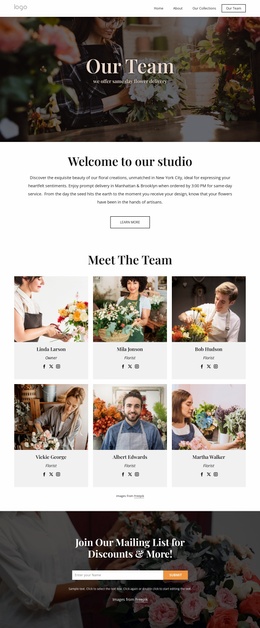
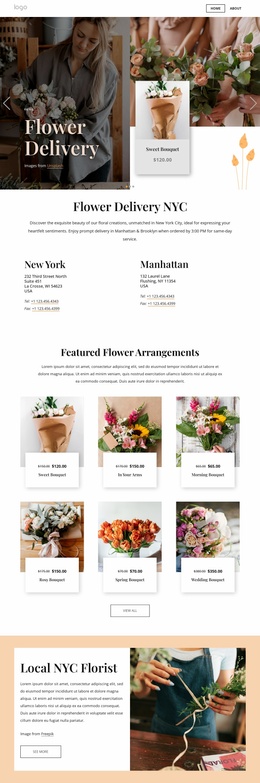
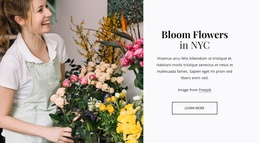
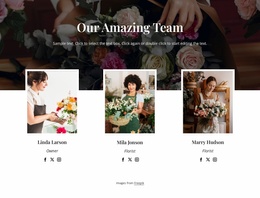
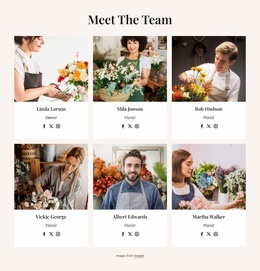
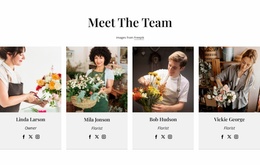
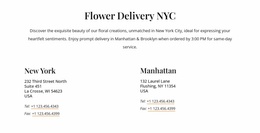
The team profiles and Flower Delivery NYC section provide further reassurance through visible people, florist-related roles, location references, and telephone details. New York and Manhattan are presented as delivery locations, while the section’s service description keeps the response path locally focused. For a conservative landing-page interpretation, the strongest action remains Learn More: the page encourages continued interest and understanding, but the analysis does not verify a single purchase, booking, or inquiry conversion endpoint. The content can therefore be refined around that informational response without inventing a stronger goal.
Customize with Nicepage
Open this ready-made template in the Landing Page Builder and customize it visually in the Nicepage editor. Replace demo content, edit page sections, and adapt the design to your project without rebuilding the template from scratch.
Build a Landing Page Around One Conversion Goal
Focus on One Primary Action
Use the landing page to guide visitors toward one measurable response, such as requesting a quote, registering, subscribing, booking a consultation, applying for a service, or submitting an inquiry. Keep the primary call-to-action consistent across the important sections so the headline, supporting content, form, and CTA buttons work toward the same campaign goal instead of competing for attention.
Capture Leads With a Form
Use the Contact Form Element to add a contact, subscription, application, or other conversion form directly to the landing page. Customize the form fields, layout, labels, inputs, and button to collect the information required for your campaign while keeping the form focused on the action you want visitors to complete.
Nicepage also provides several form submission options. Form submissions can be sent to Email, stored as Leads, added to Google Sheets, passed to a custom URL or server endpoint, or used to populate a MailChimp mailing list. This provides practical options for collecting inquiries, registrations, subscriptions, applications, and other campaign responses.
Manage Leads and Campaign Responses
When submissions are stored as Leads, you can use Contact Form Leads to review the information collected through the landing page and use it for follow-up. Keep the form connected to the same offer and primary CTA presented throughout the page so visitors move from the campaign message to a clear conversion action.
This workflow makes the template suitable for landing pages where the offer, content, call-to-action, form, and lead collection process work together toward one defined conversion goal.

Design Set (17)
-

-
-
-
-
Free Website Builder SoftwareDownload
-
-
-
-
-
-
-
More from Fashion & Beauty Landing Pages
-
Free Website Builder SoftwareDownload