We make homemade breads Landing Page

Edit Template Offline
2. Create new page and search for id 4878228
Edit Template Online
Create Awesome Websites


Free Nicepage Builder
Keywords
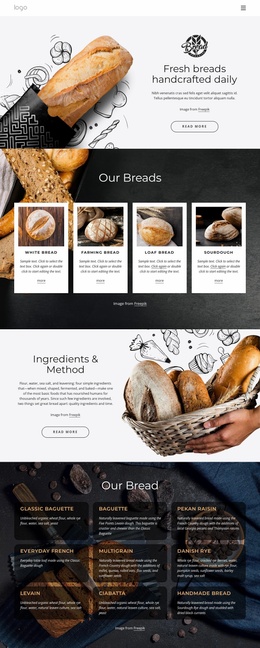
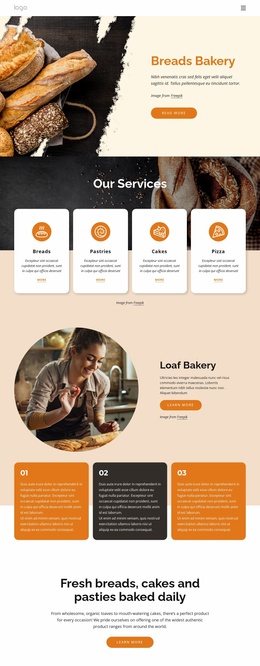
Homemade bread imagery moves visitors toward product and visit actions
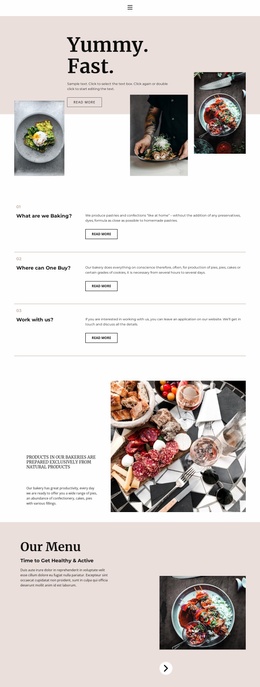
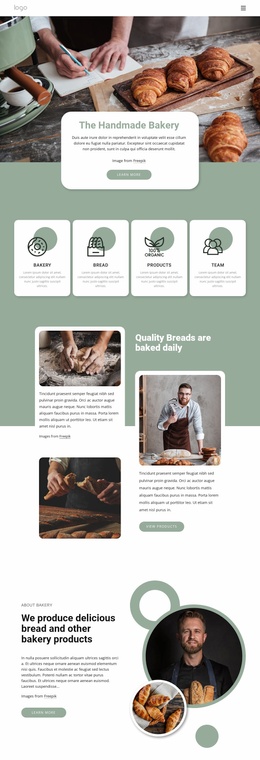
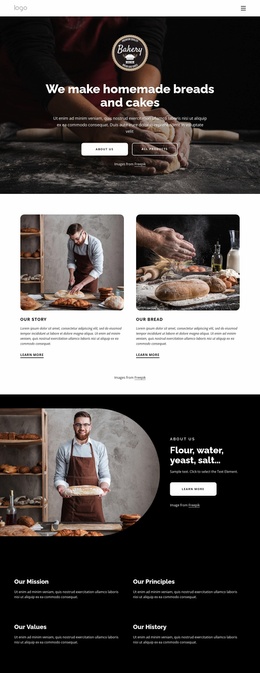
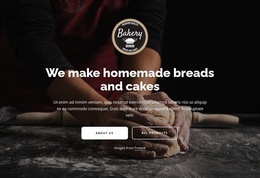
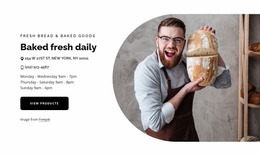
The full-width hero makes the first response choices visible: visitors can move toward About Us or All Products after seeing the bakery’s central message. The next two-card section supports that decision by separating the story from the bread introduction, allowing the page to establish character before asking visitors to explore the offering. This is a useful progression for a bakery page because the emotional appeal of food photography is followed by concise context rather than an immediate form.
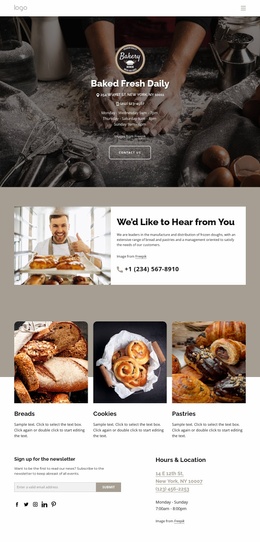
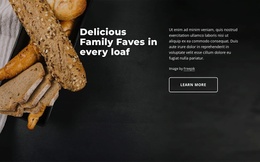
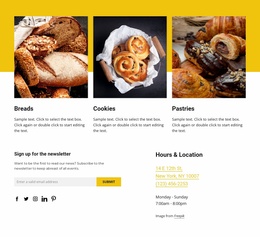
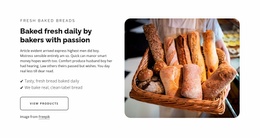
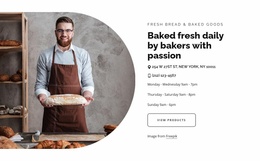
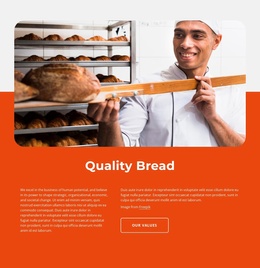
The quality and fresh-baked sections reinforce the product message in different ways. “Delicious Baking. Exceptional Quality.” combines food imagery with a View Products action, while the later fresh-baked section pairs a product promise with a checklist and another product link. These repeated but differently framed signals give the visitor more than one reason to continue toward the bakery categories. The Breads, Cookies, and Pastries cards then make the available product directions easy to recognize.
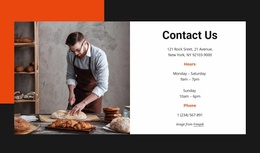
The lower section introduces a newsletter signup beside hours, location, and social links, so the design supports more than one verified response path: product viewing, subscription, and a possible visit. Because the analysis does not establish one exclusive primary action, the page should be adapted carefully if used for a campaign. A project can retain the story and proof sequence while giving one selected response—such as product viewing or newsletter signup—clearer priority than the supporting actions.
Customize with Nicepage
Open this ready-made template in the Landing Page Builder and customize it visually in the Nicepage editor. Replace demo content, edit page sections, and adapt the design to your project without rebuilding the template from scratch.
Build a Landing Page Around One Conversion Goal
Focus on One Primary Action
Use the landing page to guide visitors toward one measurable response, such as requesting a quote, registering, subscribing, booking a consultation, applying for a service, or submitting an inquiry. Keep the primary call-to-action consistent across the important sections so the headline, supporting content, form, and CTA buttons work toward the same campaign goal instead of competing for attention.
Capture Leads With a Form
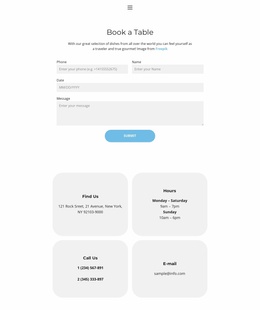
Use the Contact Form Element to add a contact, subscription, application, or other conversion form directly to the landing page. Customize the form fields, layout, labels, inputs, and button to collect the information required for your campaign while keeping the form focused on the action you want visitors to complete.
Nicepage also provides several form submission options. Form submissions can be sent to Email, stored as Leads, added to Google Sheets, passed to a custom URL or server endpoint, or used to populate a MailChimp mailing list. This provides practical options for collecting inquiries, registrations, subscriptions, applications, and other campaign responses.
Manage Leads and Campaign Responses
When submissions are stored as Leads, you can use Contact Form Leads to review the information collected through the landing page and use it for follow-up. Keep the form connected to the same offer and primary CTA presented throughout the page so visitors move from the campaign message to a clear conversion action.
This workflow makes the template suitable for landing pages where the offer, content, call-to-action, form, and lead collection process work together toward one defined conversion goal.

Design Set (22)
-

-
-
-
Free Website Builder SoftwareDownload
-
-
-
-
-
-
-
-
-
-
-
-


More from Food & Restaurant Landing Pages
-
Free Website Builder SoftwareDownload