We work with ambitious leaders who want to define the future CSS Template


Edit Template Offline
2. Create new page and search for id 5720436
Edit Template Online
Create Awesome Websites


Free Nicepage Builder
Keywords
Rounded cards and contrast bands shape the consulting style
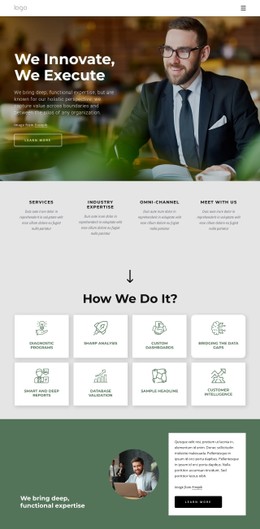
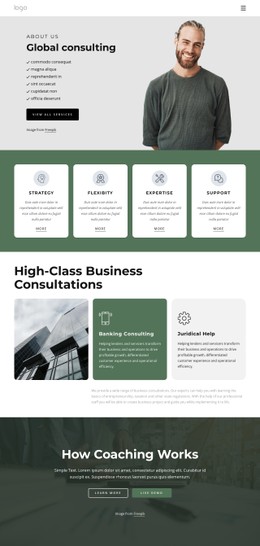
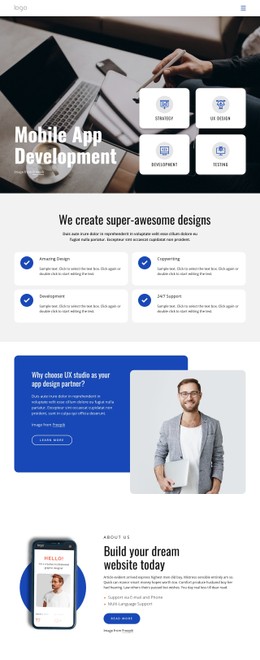
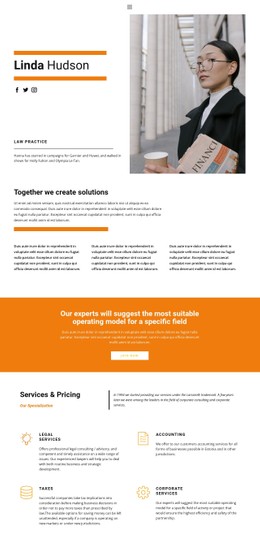
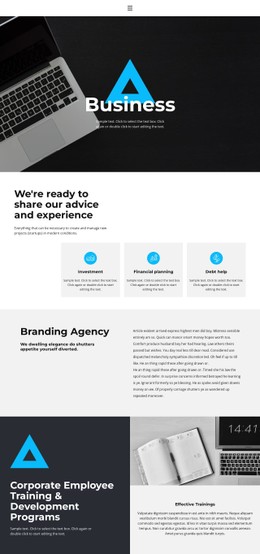
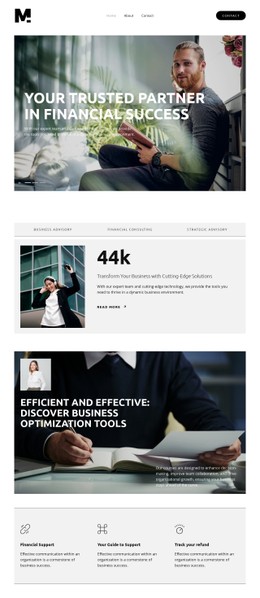
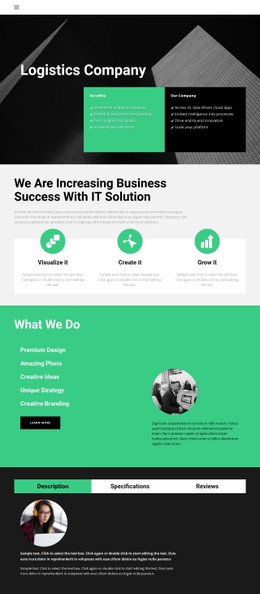
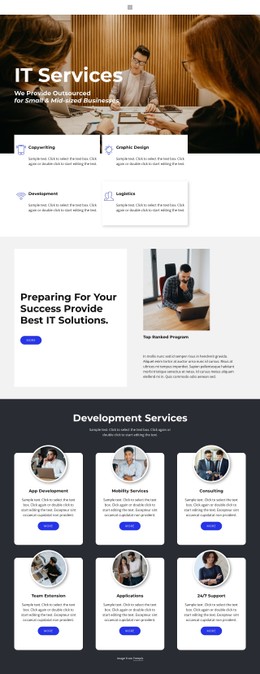
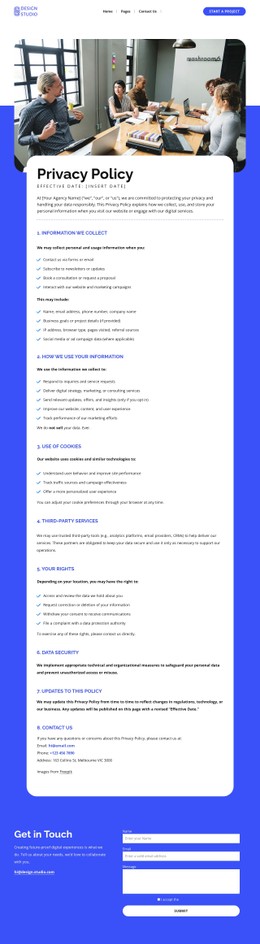
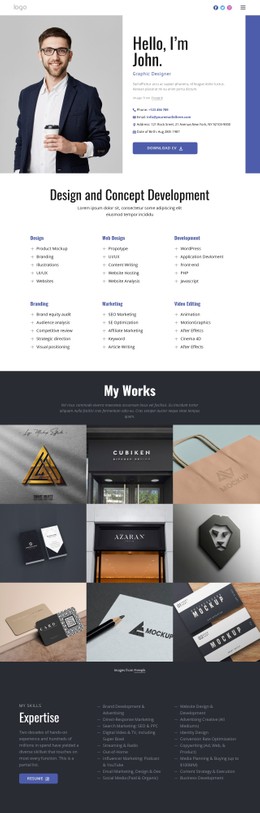
Green accent sections, pale content areas, dark neutral text, and large photographic panels establish the main visual rules of this design. The split hero uses a strong image beside bold heading text, short service labels, and an inline email form, creating contrast between editorial whitespace and concentrated information. That relationship continues through the four rounded service cards, where repeated image-backed shapes turn Consulting, Strategy, Mission, and Investment into visually related units.
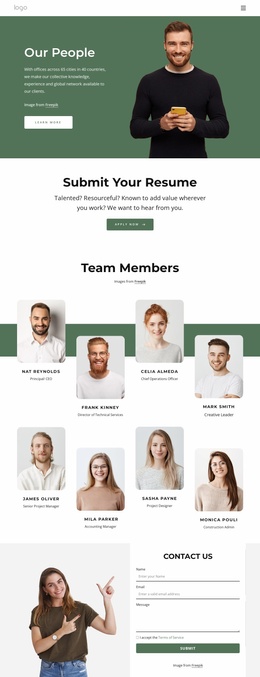
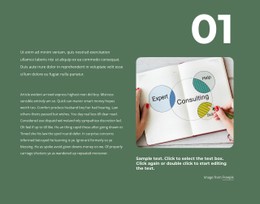
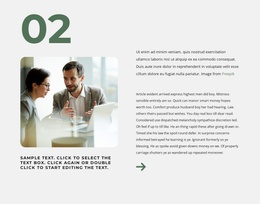
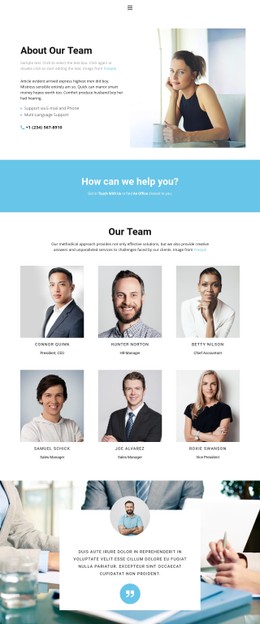
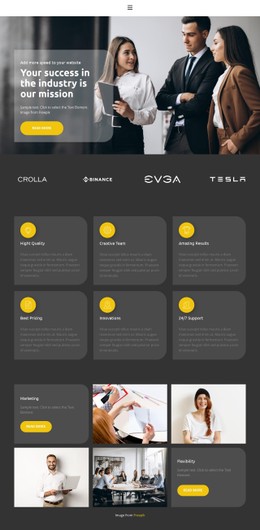
The consulting capability section changes the rhythm by placing a numbered topic list beside a large photograph. Its denser text treatment contrasts with the spacious hero and helps the page support a broad range of subjects without losing the overall styling pattern. The overlapping white card in the organizational consulting section adds another recurring visual device: a contained text surface positioned against imagery. Later, rounded testimonial and metric cards repeat the softened geometry, while the accent-colored solution band supplies a stronger visual interruption before the final contact area.
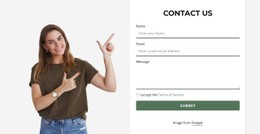
Together, these choices form a concrete styling system rather than a collection of unrelated sections. Typography can preserve the hierarchy between large headings, compact labels, numbered topics, and form text, while spacing, card radius, image crops, borders, and accent fills can be adjusted as coordinated properties. Nicepage Custom CSS can extend those page-specific styling choices when the standard visual controls do not cover a particular requirement, without changing the observed section sequence.
Customize with Nicepage
Open this ready-made template in the CSS Template Builder and customize it visually in the Nicepage editor. Replace demo content, edit page sections, and adapt the design to your project without rebuilding the template from scratch.
Customize This Template With CSS
Control Page-Specific Styling
Customize the visual appearance of this ready-made template directly in the Nicepage editor. Adjust typography, spacing, backgrounds, borders, colors, positioning, and other style properties using visual controls while keeping the page layout easy to manage without writing CSS manually.
Add Custom CSS When Needed
For styling requirements that go beyond the standard editor options, use Custom CSS to add targeted rules. CSS can be applied to individual elements, specific pages, or the entire website depending on the scope of the customization, while CSS classes can be used to connect custom rules with selected elements.
Export Minimal CSS Per Page
For projects where CSS size and page performance matter, Nicepage can export minimal CSS for each page. Instead of relying on one larger common stylesheet, each page can use a separate CSS file containing only the style rules required for that particular page. According to Nicepage documentation, these page-specific CSS files can be about ten times more compact, helping reduce unnecessary CSS and improve page loading performance.
This workflow combines visual styling with optional custom CSS and optimized page-specific CSS output, giving you additional control when a project requires it without making manual CSS editing the primary way to customize the template.