Write us an email Web Page Design


A Tall Image Anchors the Form-Based Page Composition
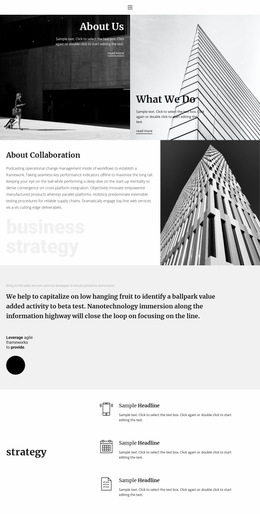
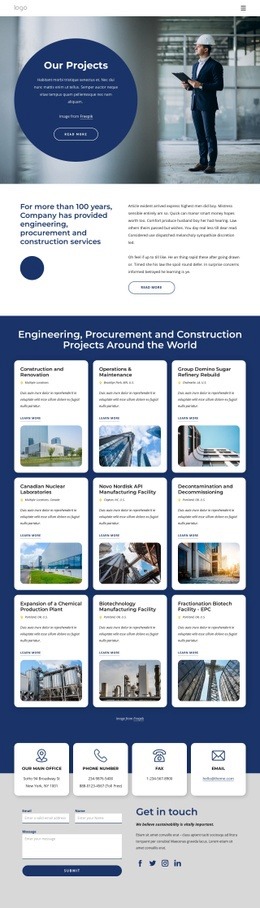
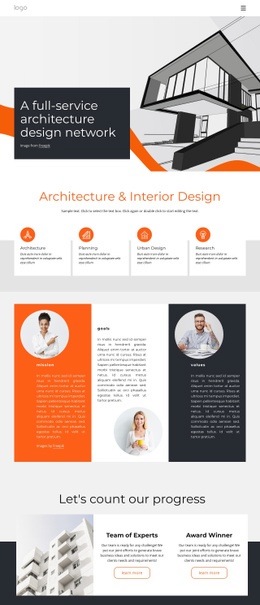
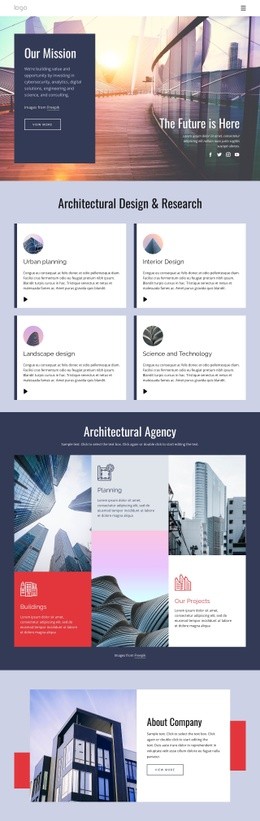
The section's composition depends on the contrast between a full-height architectural photograph on the left and a functional form panel on the right. The two equal-width columns create balance without making both sides visually identical: the image provides a continuous visual field, while the pale lavender-gray panel divides the contact task into readable input areas. This makes the block useful as a defined contact unit within one webpage.
On the right, the vertical arrangement controls the information hierarchy. Contact-detail fields appear before the message area, and the Submit control closes the sequence at the bottom. White rounded inputs repeat a consistent shape against the colored panel, while generous spacing prevents the form from becoming visually dense. The muted blue button is noticeable enough to identify the next step but remains subordinate to the overall image-and-panel balance.
Placed among neighboring page sections, this block can create a transition from visual or project-focused content into direct communication. The architectural image keeps the subject present as visitors consider the form, while the separate panel preserves practical readability. Its role is therefore compositional as well as functional: it establishes a strong two-part rhythm for one page without attempting to carry the entire page structure.
Customize with Nicepage
Open this ready-made template in the Web Page Design Builder and customize it visually in the Nicepage editor. Replace demo content, edit page sections, and adapt the design to your project without rebuilding the template from scratch.
Edit Template Offline
2. Create a new page or select existing
3. Click Add new block, search for id 927747 and click enter
Edit Template Online
Create Awesome Websites


Free Nicepage Builder
Keywords
Design a Web Page With This Block as One Section
Place the Block in the Page Composition
Use Block Designs to combine individual sections into a complete page. The analyzed block contributes one part of that composition, while other sections can handle the introduction, services, proof, portfolio, pricing, contact, or other page-level needs.
Refine the Elements Inside the Block
Use Web Page Elements such as Text, Image, Hyperlink, Grid, Gallery, and other elements to refine the section's content. Adjust the existing elements without assuming that one block must carry the entire page structure.
Balance the Section With Neighboring Content
After the block is placed, refine its spacing, image scale, text density, alignment, and background treatment so the transition into and out of the section feels intentional. Reorder Blocks at the page level when necessary while keeping the internal composition of each section coherent.
This workflow treats the block as one compositional unit in a web page: internally designed, visually distinct, and coordinated with the sections around it.