Brexit Play One Page Template


A distinct story destination built from image, text, and source
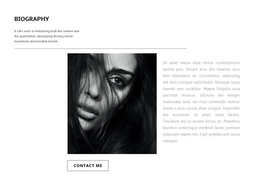
The long feature headline gives this block a strong identity within a continuous page. It names the performance directly, while the supporting description adds the editorial context of a French showman-philosopher and the European project. The large portrait on the left and the second performance photograph beneath the right-hand text make the section visually recognizable even before a visitor reads every line.
That combination allows the block to function as one content destination in a one-page experience. It could separate an opening introduction from later cultural coverage, related visual material, or another information area. The “The Guardian News” label provides a source cue within the destination, helping the editorial material read as a defined feature rather than as an isolated headline. The section remains static, so its identity comes from structure and visual hierarchy rather than from tabs, sliders, or other interaction.
The asymmetrical split also helps establish page rhythm. A large image creates visual weight on one side, while the headline, description, attribution, and lower photograph create a more layered sequence on the other. In a continuous page, that balance can mark a meaningful stop for readers and support section-based navigation if the surrounding page later provides it, while the block itself remains one focused story area.
Customize with Nicepage
Open this ready-made template in the One Page Template Builder and customize it visually in the Nicepage editor. Replace demo content, edit page sections, and adapt the design to your project without rebuilding the template from scratch.
Edit Template Offline
2. Create a new page or select existing
3. Click Add new block, search for id 42366 and click enter
Edit Template Online
Create Awesome Websites


Free Nicepage Builder
Keywords
Use This Block as a Section in a One-Page Website
Give the Block a Distinct Content Role
A one-page website combines several meaningful content sections within one continuous document. A block can serve as one of those destinations—for example About, Services, Gallery, Testimonials, Pricing, Team, or Contact—while other blocks provide the rest of the page journey.
Connect Navigation to Meaningful Sections
When the final page uses section-based navigation, Menu For One-Page Site can connect menu items to individual page Blocks. The analyzed block does not prove that anchor navigation already exists; it simply provides one possible destination when its content is substantial enough to stand as a recognizable section.
Keep Longer Pages Easy to Explore
For long one-page sites, Back To Top can help visitors return to the beginning after moving through several sections. Navigation behavior is managed at the page level, while each block retains its own content function.
This workflow positions the block as one part of a continuous one-page experience rather than treating a single section as the entire one-page site.