Protecting your rights One Page Template


Edit Template Offline
2. Create new page and search for id 17291
Edit Template Online
Create Awesome Websites


Free Nicepage Builder
Keywords
From “Who We Are” to “Contact Us,” the sections form one continuous journey
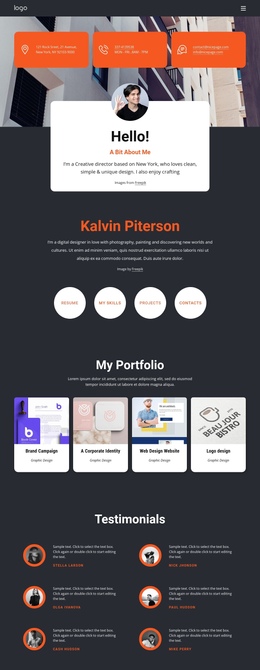
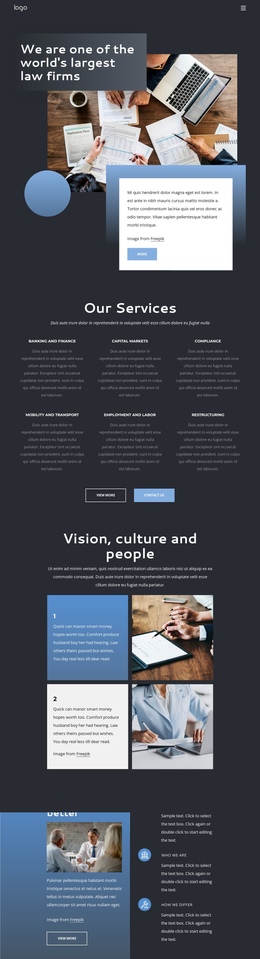
The page has enough distinct information zones to support a meaningful single-page sequence. The hero introduces the law firm’s rights-protection message, then “Who We Are” provides context before visitors reach the four practice-area items. That order allows the page to move from broad identity to specific services. The later matter summary adds dispute resolution, mining, oil and gas, restructuring and insolvency, and shipping without forcing those subjects into the shorter practice-area overview.
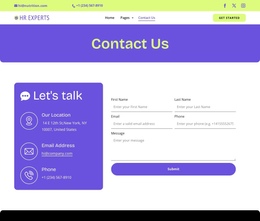
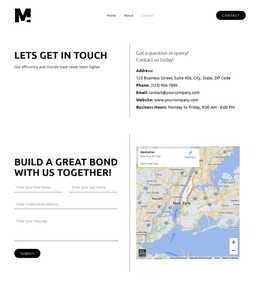
The middle of the layout changes the type of information rather than repeating the same presentation. A testimonial supplies client-oriented evidence, and the four-entry team section shifts attention to the people behind the service. The “get free consultation” callout then acts as a distinct destination before the inquiry area, where the contact form and map are placed together. The final “Contact Us” section provides another clearly identifiable stop for address and communication details.
This sequence can be read as a continuous content journey even though the analysis does not verify anchor links or a one-page menu. Visitors can move from introduction and service coverage to supporting proof, team context, consultation messaging, and practical contact information without requiring the core content to be divided into separate pages. The design therefore works through section order and changing information roles.
Customize with Nicepage
Open this ready-made template in the One Page Template Builder and customize it visually in the Nicepage editor. Replace demo content, edit page sections, and adapt the design to your project without rebuilding the template from scratch.
Build a Navigable One-Page Website
Connect the Menu to Page Sections
Organize the website as a sequence of sections on a single page and use the Menu For One-Page Site to connect menu items with individual page Blocks. Visitors can jump directly to sections such as About, Services, Testimonials, or Contact without opening separate pages.
Keep the Website on One URL
A one-page template can combine several parts of a small website within one continuous page. Arrange the Header, introduction, services, portfolio, company information, reviews, contact details, and other relevant sections in the order that fits the project while keeping them accessible through the same page navigation.
Make Long Pages Easier to Navigate
For longer one-page websites, keep navigation labels short and connected to meaningful sections so visitors can move through the page without relying only on scrolling. You can also use the Back To Top element to provide a quick way back to the beginning after longer sections.
This workflow makes the template suitable for compact websites that need several distinct content sections while keeping the complete visitor experience on one URL.