Family friendly church HTML Template


Edit Template Offline
2. Create new page and search for id 378350
Edit Template Online
Create Awesome Websites


Free Nicepage Builder
Keywords
Belief, Community, and Contact Form a Finished Static Page
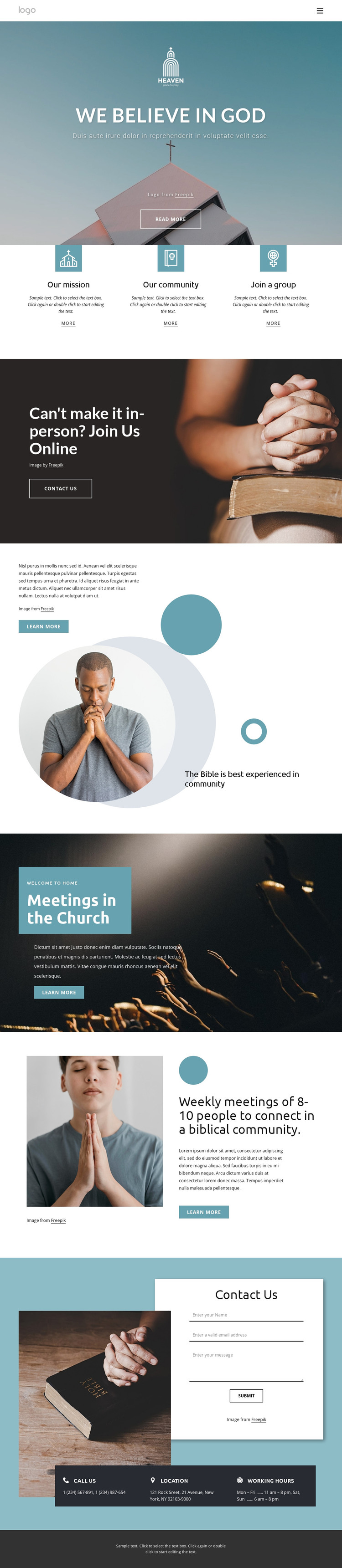
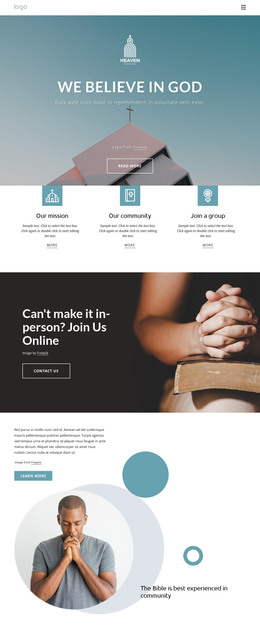
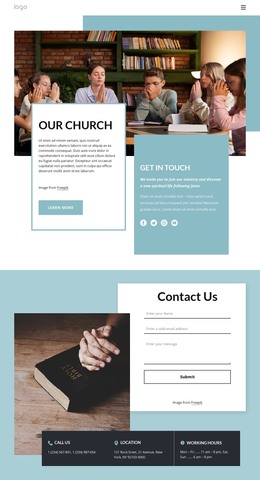
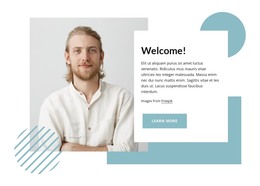
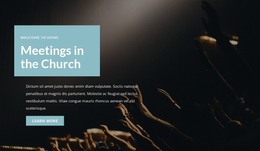
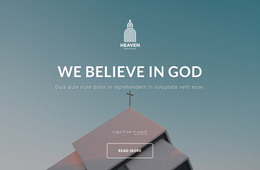
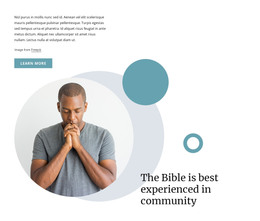
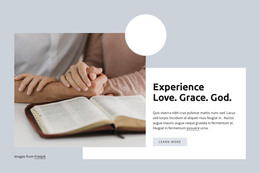
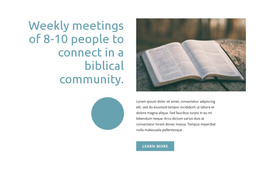
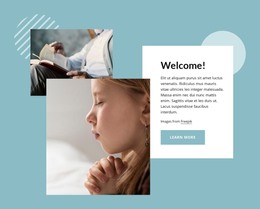
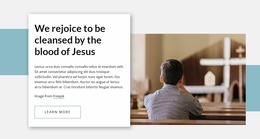
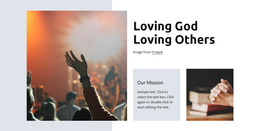
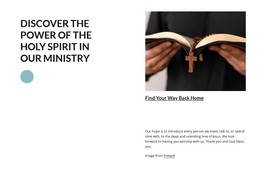
The opening belief statement gives the page an immediate subject, while the three equal cards divide the church’s main pathways into mission, community, and group participation. That combination makes the design more than a hero image with a short introduction: it provides a sequence of explanatory content that can stand as a self-contained church page. Visitors can then move from the central belief message to online participation, the mission section, church meetings, and the description of weekly small-group gatherings.
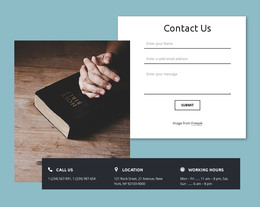
The alternation between full-width photographic sections and split image-and-text blocks creates enough variation for a static implementation to present several related topics without losing continuity. The closing contact area completes the arrangement with an existing form and practical contact information covering phone, location, and working hours. Together, these sections give the page an identifiable beginning, a middle built around community activities, and a defined contact endpoint. The result is a ready-made HTML page structure for a church project that needs to explain its beliefs and gatherings in one coherent presentation, without claiming that additional pages are already included.
Customize with Nicepage
Open this ready-made template in the HTML Builder and customize it visually in the Nicepage editor. Replace demo content, edit page sections, and adapt the design to your project without rebuilding the template from scratch.
Export and Use This Template as an HTML Website
Create a Portable HTML Website
When the template is ready, use the HTML Export option to create a static website with the files required for deployment. The exported website can be used independently of the Nicepage editor and deployed on your preferred hosting.
Nicepage also provides SEO settings and optimization features, including Page Titles and Descriptions, Canonical settings, headings, image Alt Text, and other page-level properties that help prepare the website for search engines.
Deploy Without a CMS
Upload the finished website to the hosting environment that fits your project. Because the exported site does not require WordPress, Joomla, or another CMS to deliver its pages, it can be placed on your own server, uploaded to a hosting provider, or deployed through an existing web infrastructure.
Hand Off the Website Files
The generated website files can also be provided to a client, developer, or hosting team. They remain available outside the Nicepage editor for deployment, technical review, or project-specific development when additional work is required.
This workflow makes the template a practical foundation for a portable static website that can be exported from the Nicepage editor and deployed independently.

Design Set (27)
-

-
-
-
-
-
Free Website Builder SoftwareDownload
-
-
-
-
-
-
-
-
-
-
-
-
-
-
-
-
-





More from Business & Law HTML Templates
-
Free Website Builder SoftwareDownload