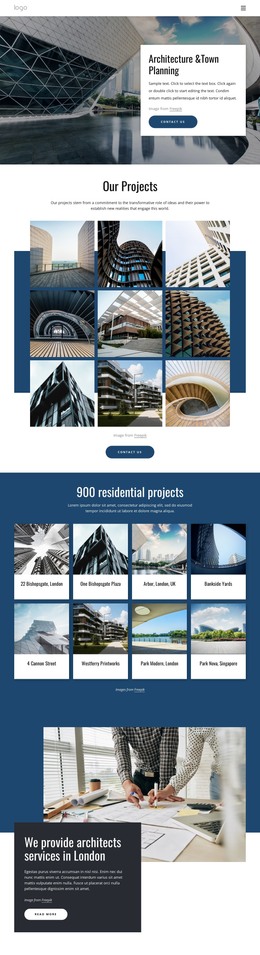
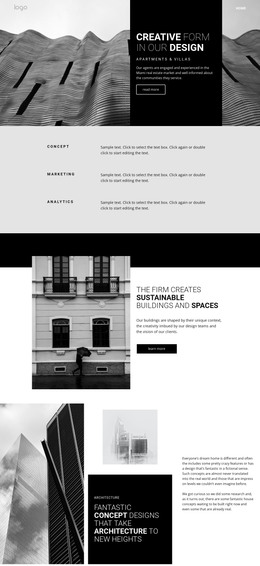
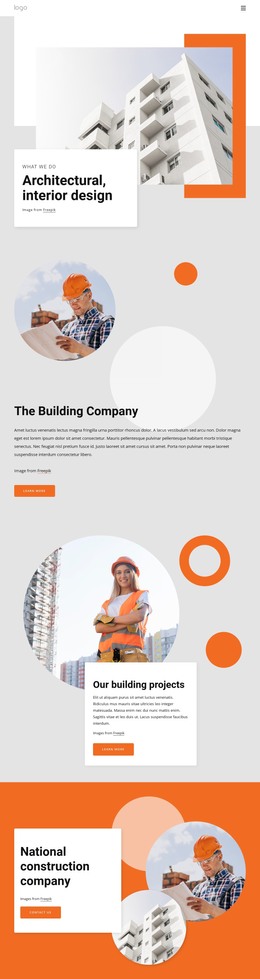
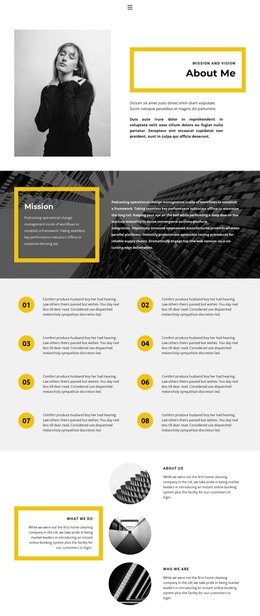
Spaces That Inspire HTML Template


Edit Template Offline
2. Create new page and search for id 14533
Edit Template Online
Create Awesome Websites


Free Nicepage Builder
Keywords
Eight Editorial Sections Form a Complete Static Architecture Page
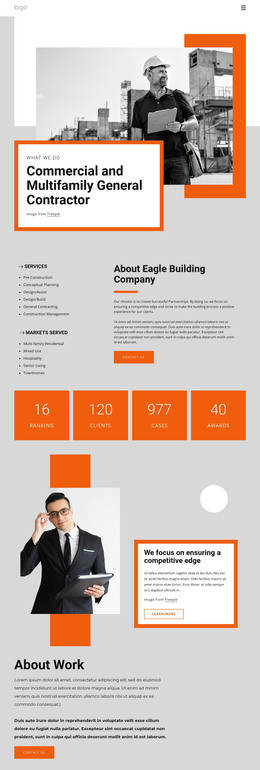
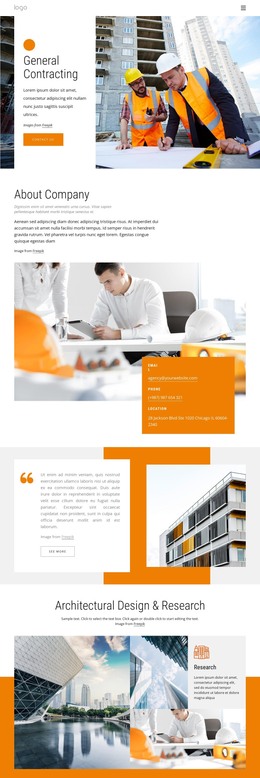
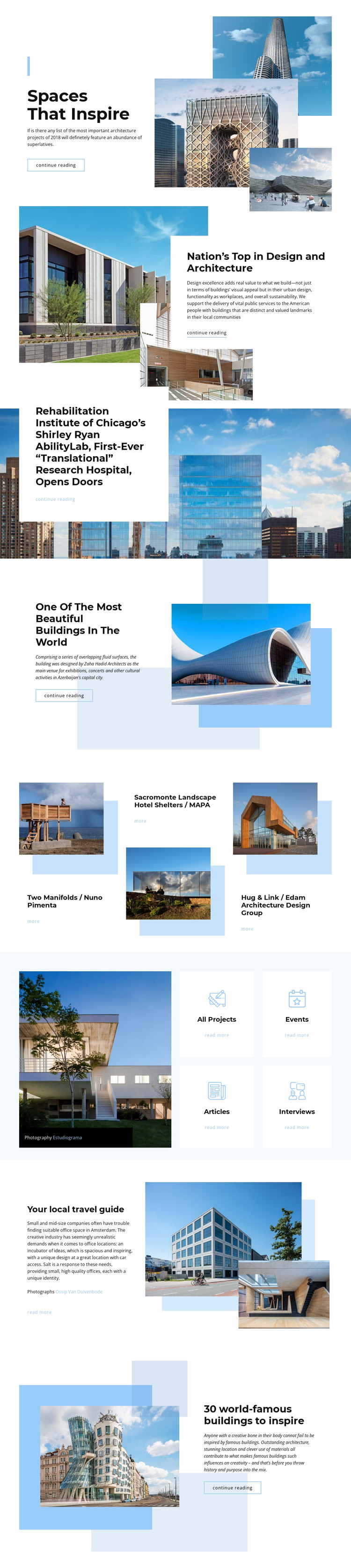
The page already combines the principal content areas expected in a self-contained architecture publication layout. It opens with “Spaces That Inspire,” pairing introductory copy and a three-image collage, then moves through featured articles such as “Nation’s Top in Design and Architecture” and the Shirley Ryan AbilityLab story. Each feature includes an image, a concise text panel, and a reading action, so the static arrangement presents both visual context and a clear path into related content.
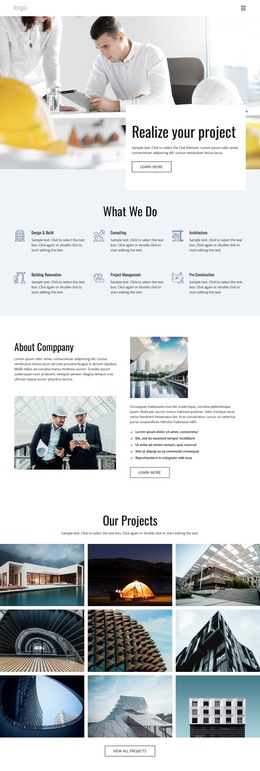
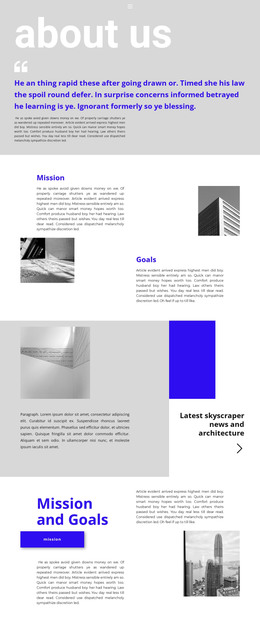
Further down, the repeated showcase introduces three named projects—Two Manifolds, Sacromonte Landscape Hotel Shelters, and Hug & Link—before four category cards broaden the editorial scope to All Projects, Events, Articles, and Interviews. The final local travel and world-famous buildings features give the page a closing sequence rather than ending with an isolated gallery. Together, these sections create a finished static content arrangement that can stand as an architecture editorial page, while the image credits and project labels provide useful supporting detail. Its value as an HTML template comes from the relationship between complete story blocks, repeated project content, category navigation, and consistent reading links, not from any unverified claim about particular published organizations.
Customize with Nicepage
Open this ready-made template in the HTML Builder and customize it visually in the Nicepage editor. Replace demo content, edit page sections, and adapt the design to your project without rebuilding the template from scratch.
Export and Use This Template as an HTML Website
Create a Portable HTML Website
When the template is ready, use the HTML Export option to create a static website with the files required for deployment. The exported website can be used independently of the Nicepage editor and deployed on your preferred hosting.
Nicepage also provides SEO settings and optimization features, including Page Titles and Descriptions, Canonical settings, headings, image Alt Text, and other page-level properties that help prepare the website for search engines.
Deploy Without a CMS
Upload the finished website to the hosting environment that fits your project. Because the exported site does not require WordPress, Joomla, or another CMS to deliver its pages, it can be placed on your own server, uploaded to a hosting provider, or deployed through an existing web infrastructure.
Hand Off the Website Files
The generated website files can also be provided to a client, developer, or hosting team. They remain available outside the Nicepage editor for deployment, technical review, or project-specific development when additional work is required.
This workflow makes the template a practical foundation for a portable static website that can be exported from the Nicepage editor and deployed independently.

More from Architecture & Building HTML Templates
-
Free Website Builder SoftwareDownload