Benefits of regular cycling Html Code Example


Edit Template Offline
2. Create new page and search for id 1181380
Edit Template Online
Create Awesome Websites


Free Nicepage Builder
Keywords
The contact area and event sections create practical extension points
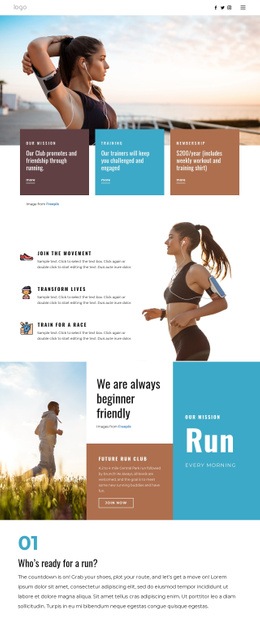
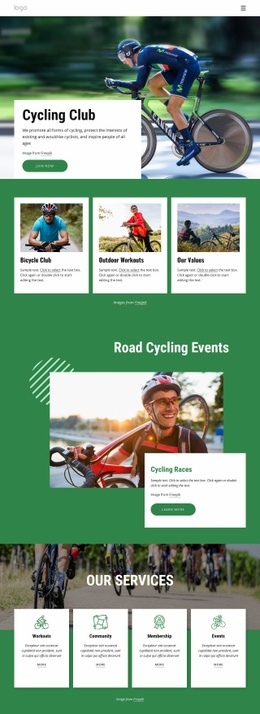
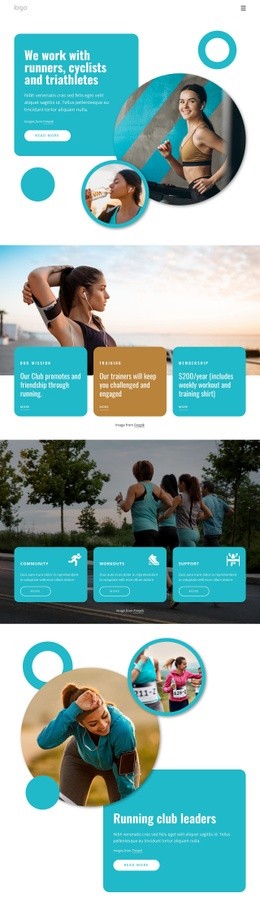
The page already separates several kinds of visitor interaction into recognizable zones. The opening health-benefits section and the cycling-club card provide introductory context, while the local-group prompt gives visitors a focused place to continue learning about nearby riding communities. Farther down, the dark band about rides and events creates a natural area for schedules, registration services, or other event-related content to be connected without disturbing the editorial sections above.
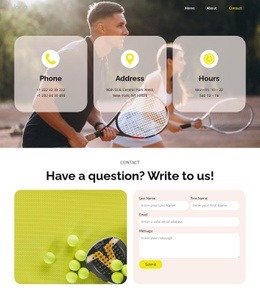
The closing Contact Us section is especially suitable for project-specific functionality because it combines a cyclist image, an inquiry form, and a Submit action in one composed block. If the finished project needs an external booking widget, event calendar, map, or membership service, custom markup could be positioned beside or around the relevant content rather than replacing the established page sequence. The partner-logo showcase also offers a defined location for an external partner feed or related integration if the static logo collection later becomes dynamic. These opportunities extend the existing design; they do not imply that custom code is already present. The original photography, numbered information cards, and alternating bands can remain intact while additional functionality is introduced only where visitors would expect it.
Customize with Nicepage
Open this ready-made template in the HTML Code Generator and customize it visually in the Nicepage editor. Replace demo content, edit page sections, and adapt the design to your project without rebuilding the template from scratch.
Extend This Page With Custom HTML Code
Insert Code With the HTML Element
Use the HTML Element to add custom code directly to a Block in the Nicepage editor. Enter the required markup in the Code field when the page needs content or functionality that is not available through the standard page elements.
Place the HTML Element in the Layout
Treat the HTML Element as part of the visual page composition. Adjust its position, width, height, alignment, and margins to place the custom content where it belongs alongside text, images, buttons, and other elements. This makes it possible to combine visually edited sections with project-specific code without separating the custom element from the rest of the layout.
Add HTML, CSS, JavaScript, and External Components
The HTML Element supports HTML, CSS, and JavaScript, allowing you to extend the page with custom markup and interactive functionality. It can also be used to embed custom code and third-party components, such as social feeds, advertising code, widgets, or other external functionality required by the project.
This workflow makes the template useful for projects that need a visual page editor together with custom HTML code, JavaScript, embedded components, and functionality beyond the standard page elements.

More from Sports Html Code Examples
-
Customize Any TemplateDownload