Strategies domination Template


A Centered Heading With Room for Context
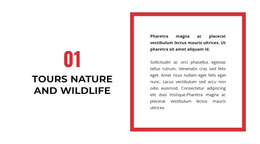
The design places a small label above a large heading that breaks across two lines, then follows it with a supporting paragraph. That sequence makes the heading the immediate focal point while preserving space for context below it. Unlike a card grid or media-led section, the block uses one centered text region as its main design decision, so the hierarchy rather than the number of components distinguishes it.
This can be a useful choice when a page needs an introductory or informational section that feels deliberate without becoming visually complicated. The white background leaves the surrounding page responsible for color changes and larger visual transitions, while the generous vertical whitespace gives the centered content a defined presence. The muted label and supporting copy also provide a clear contrast around the dark heading, helping the section communicate one main idea before the reader moves to another block.
The displayed wording has the character of sample long-form content, so the structure is more important than treating it as a specific business claim. Choose this section when a centered statement, a short framing label, and explanatory text are more appropriate than repeated items, imagery, or direct interaction. Its focused arrangement makes it a distinct alternative for pages that need clarity through typography alone.
Customize with Nicepage
Open this ready-made template in the Template Builder and customize it visually in the Nicepage editor. Replace demo content, edit page sections, and adapt the design to your project without rebuilding the template from scratch.
Edit Template Offline
2. Create a new page or select existing
3. Click Add new block, search for id 42214 and click enter
Edit Template Online
Create Awesome Websites


Free Nicepage Builder
Keywords
Start With a Ready-Made Template
Choose a Design for a New Page
Use a ready-made template as a starting point instead of creating every page from a blank canvas. When adding a new page in Nicepage, browse available designs, compare different layouts, and choose an option that already fits the general purpose and visual direction of your project.
Browse Different Page Designs
Explore Page Designs using search, thematic categories, Design Sets, and full-page previews. The collection includes layouts for different subjects and page purposes, making it easier to compare alternatives before selecting a design to customize.
Customize the Selected Template
After choosing a design, create the page and continue editing it visually in Nicepage. Replace the demo content, adjust images, typography, colors, sections, and other elements, and adapt the ready-made layout to your own content instead of rebuilding the design from the beginning.
Explore More Design Directions
If the first option does not match your project closely enough, return to the design collection and compare other templates before committing to a layout. This makes the template library useful not only for faster page creation, but also for exploring different visual approaches and finding a suitable starting point for a new project.
This workflow gives you access to a broad collection of ready-made designs that can be selected, compared, and customized according to the needs of each new page or project.